What is a 2 Ton Overhead Crane and How to Choose One?
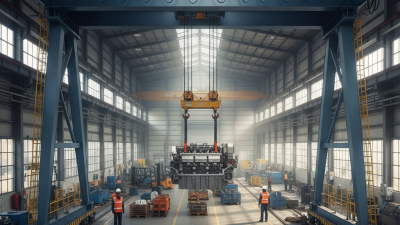
When considering lifting equipment, a 2 ton overhead crane stands out for its efficiency and versatility. These cranes are essential in warehouses, factories, and construction sites, where heavy loads need to be moved safely. The design of a 2 ton overhead crane allows for smooth operations, minimizing risk and enhancing productivity.
Choosing the right 2 ton overhead crane requires careful thought about various factors. Load capacity, span length, and height of lift are critical considerations. Additionally, selecting between electric and manual options can impact your choice, too. It's important to assess your specific needs and workspace limits.
However, sometimes companies rush the decision, leading to weighty mistakes. Overestimating the load can result in accidents. Not all products guarantee quality, so doing diligent research is vital. Engaging with experts can provide valuable insights into your purchase. Making informed choices will ensure you select the right 2 ton overhead crane for your operations, boosting safety and efficiency.
What is a 2 Ton Overhead Crane and Its Key Features
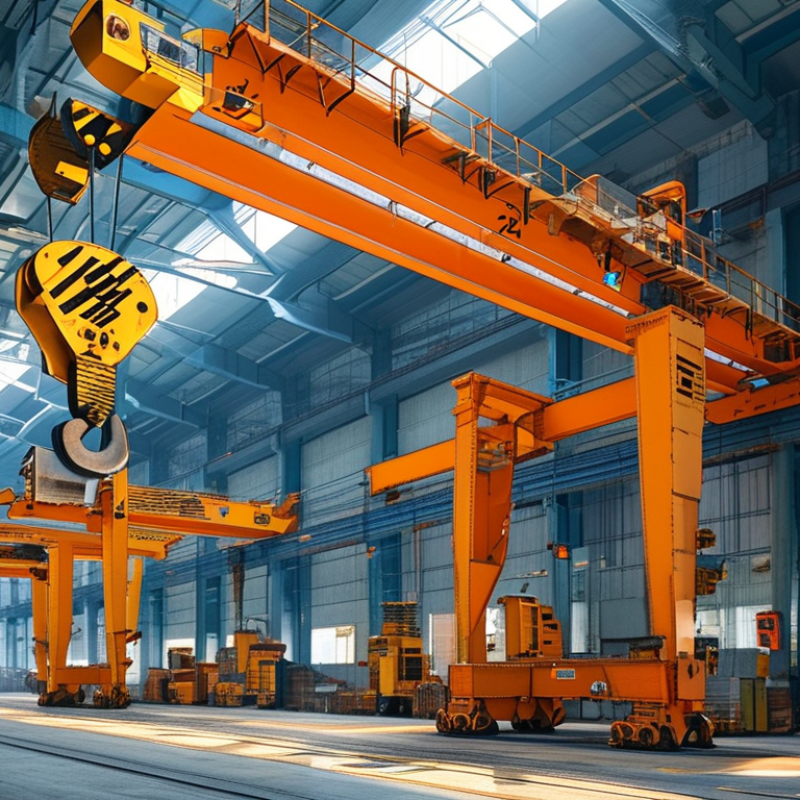
A 2-ton overhead crane is a lifting device designed for various industrial applications. It can handle loads up to 2 tons efficiently. These cranes are essential for improving workflow and safety in warehouses and manufacturing plants. They allow for precise movements, minimizing the risk of accidents.
Key features of a 2-ton overhead crane include its lifting capacity, span, and height. The lifting mechanism typically includes a hoist and trolley system. The structure often consists of steel girders, ensuring durability and strength. Some models offer remote control for ease of use. When selecting a crane, consider its environment. Factors like space constraints and load requirements are crucial.
When choosing an overhead crane, ensure you evaluate its features and usability in your specific context. Sometimes, the cost of installation can overshadow its benefits. It's important to weigh these factors carefully. Engaging with industry experts can provide insights. Their experience will help in making the right choice. Be aware that every application might present unique challenges, requiring tailored solutions.
Understanding the Components of a 2 Ton Overhead Crane
When considering a 2 Ton Overhead Crane, understanding its components is essential. The main parts include the hoist, trolley, and bridge. Each component plays a critical role in the crane’s overall function. The hoist is responsible for lifting and lowering loads. The quality of the hoist influences safety and efficiency. A reliable hoist ensures smooth operations.
The trolley moves the hoist along the beam. Choosing a sturdy trolley is vital for stability. It should have minimal sway during operation. The bridge connects the two end trucks, enabling movement across the workspace. Look for a bridge that can handle the environment it operates in.
Maintenance is crucial for the longevity of the crane. Regular checks on the components prevent unexpected failures. It’s important to reflect on how usage patterns affect wear and tear. Operating at maximum capacity continuously can lead to premature breakdowns. Keeping a balance between load and usage extends the crane’s lifespan.
What is a 2 Ton Overhead Crane and How to Choose One?
| Component |
Description |
Function |
Material |
| Bridge |
The main horizontal beam that supports the crane's lifting mechanism. |
To provide a stable platform for lifting. |
Steel |
| Hoist |
The lifting mechanism that raises and lowers loads. |
To lift and lower goods safely. |
Alloy steel chains |
| End Trucks |
The assemblies that allow the bridge to move along the runway. |
To provide mobility to the crane. |
Steel |
| Control System |
The interface used to operate the crane. |
To control lifting, lowering, and movement. |
Plastic and metal |
| Runway |
The path along which the crane moves. |
To support and guide the crane's movement. |
Steel beams |
Different Types of 2 Ton Overhead Cranes Available on the Market
When considering a 2 ton overhead crane, it’s essential to explore the various types available. These cranes come in different designs, optimized for specific tasks. For instance, a single girder crane is lightweight and cost-effective. It’s ideal for low to medium duty cycles in smaller facilities. Installation is usually simple, making it a popular choice.
Another option is the double girder crane. This model provides greater lifting height and stability. It can handle heavier loads across larger spans. The robust design ensures durability, especially in demanding environments. However, it often comes with a higher price tag and requires more extensive installation.
Frequent maintenance is needed, regardless of the type chosen. Inspecting parts like hooks, chains, and electrical systems helps prevent failures. Additionally, choosing the right control system is key. Options range from simple pendant controls to sophisticated remote systems. It’s important to assess the operational requirements before making a decision.
Factors to Consider When Choosing a 2 Ton Overhead Crane
When selecting a 2-ton overhead crane, there are several critical factors to consider. Understanding your workspace is essential. Measurements such as height, width, and length will directly impact crane performance. According to industry data, nearly 30% of crane accidents stem from improper sizing. Ensuring your crane fits well can enhance safety and efficiency in operations.
The type of load you will handle also plays a significant role. Different materials require different handling techniques. For instance, delicate materials may need slower lifting speeds for safety. The American Society of Mechanical Engineers (ASME) suggests reviewing load capacities and lift heights before making a choice. This helps prevent overloading and reduces wear and tear on the crane.
It's advisable to consider maintenance requirements. Regular checks are crucial for safety and longevity. A well-maintained crane can last up to 25 years, while neglect can halve that lifespan. Evaluate the ease of access for maintenance tasks. This can save time and costs in the long run. Be aware that some cranes may require specialized parts, which can lead to delays.
Safety Standards and Compliance for 2 Ton Overhead Cranes
When selecting a 2-ton overhead crane, safety standards are paramount. Cranes must adhere to specific regulations to ensure safe operation. These standards often include guidelines set forth by organizations focused on industrial safety. Operators must understand these requirements fully.
Compliance is not just about following rules; it’s about protecting lives. Regular inspections and maintenance checks are vital. Each component of the crane should meet safety criteria. This includes load limiters, emergency stops, and proper labeling. Understanding the workspace is also crucial. High-traffic areas need additional precautions.
Training and certification for operators enhance safety. Having a skilled operator reduces the risk of accidents significantly. Yet, even the most knowledgeable individuals can overlook details under pressure. Continuous education and refresher courses can help in recognizing potential hazards. Safety is an ongoing journey, one that requires constant vigilance and improvement.