Top Benefits of Using a 1 Ton Overhead Crane in Industrial Applications?

Top Benefits of Using a 1 Ton Overhead Crane in Industrial Applications?

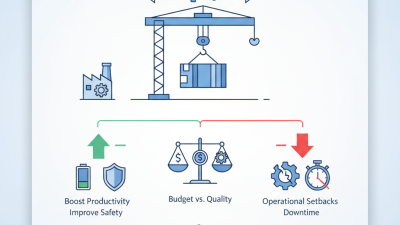
In the fast-paced industrial environment, efficiency is key. A 1 ton overhead crane can significantly enhance operational productivity. According to a recent report by the American Crane & Hoist Association, the demand for industrial cranes has grown by 12% annually over the past five years. This growing need reflects a shift towards automation and improved safety protocols.

Implementing a 1 ton overhead crane streamlines heavy lifting tasks. It reduces the physical burden on workers, increasing safety and minimizing workplace injuries. The National Institute for Occupational Safety and Health (NIOSH) notes that proper lifting equipment can cut injury rates by up to 50%. Despite these advantages, some industries still overlook this vital equipment. This gap often stems from budget constraints or outdated practices.

A 1 ton overhead crane also enhances precision in material handling. It allows for better control over loads, decreasing the risk of accidents. Investing in such technology can yield substantial long-term savings. Yet, companies must remain vigilant. Regular maintenance and operator training are essential to ensure safety and maximize efficiency.
Top Benefits of Using a 1 Ton Overhead Crane in Industrial Applications?

Benefits of Enhanced Efficiency with a 1 Ton Overhead Crane

In industrial settings, efficiency is key. A 1 ton overhead crane significantly boosts materials handling efficiency. According to a 2022 report by the Crane Industry Council, overhead cranes can improve productivity by up to 30%. This means fewer delays and increased output. They allow for smoother workflows, reducing the time spent on moving materials.

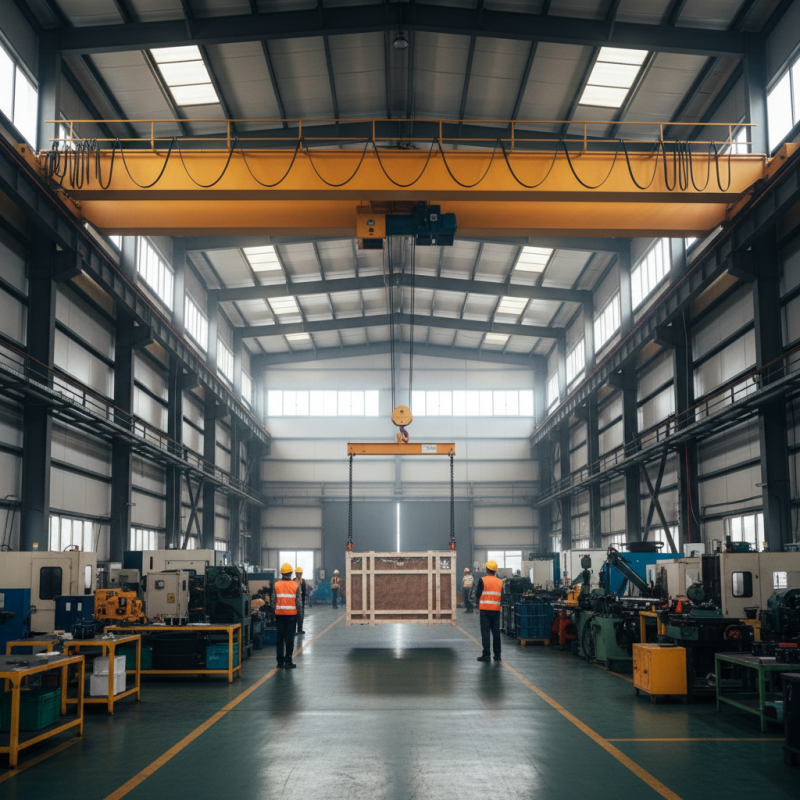
Enhanced efficiency comes from several factors. Overhead cranes have excellent load positioning capabilities. They can navigate tight spaces with ease. This allows operators to move items precisely where needed. A 1 ton capacity is ideal for smaller facilities. It strikes a balance between power and space requirements. However, staff training is essential for optimal performance. Inadequate training can lead to mishaps and inefficiencies.

Despite these benefits, implementation is not without challenges. Companies may face resistance to change. Employees may need time to adapt. Initial costs for purchasing and installing the crane can be high. Yet, the long-term gains often outweigh these concerns. A shift in workflow can lead to reluctance, but the overall efficiency boost is usually worth the effort.
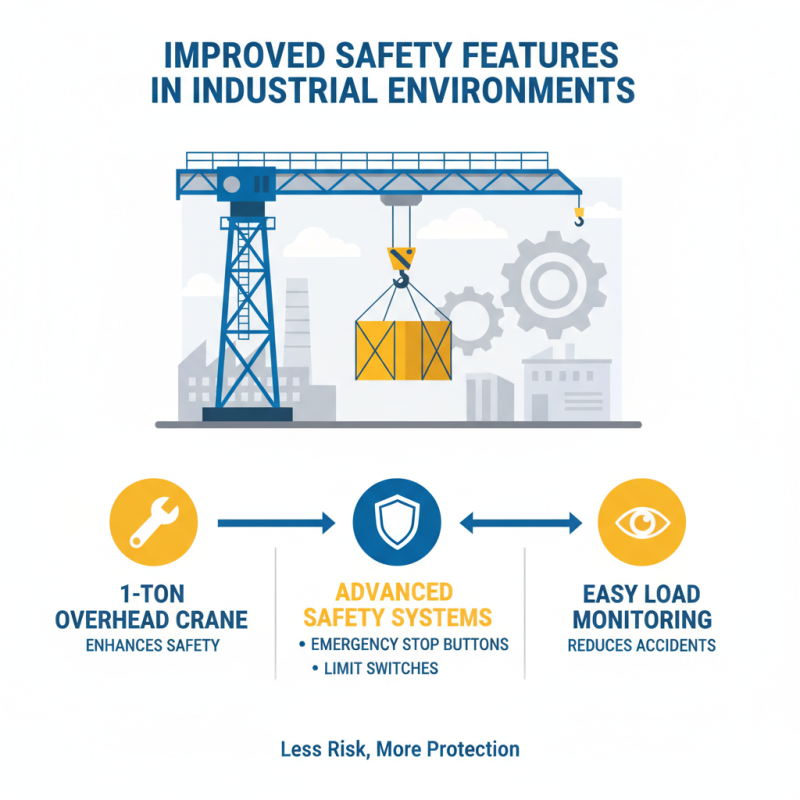
Improved Safety Features in Industrial Environments

Top Benefits of Using a 1 Ton Overhead Crane in Industrial Applications?

Industrial environments pose various risks. Utilizing a 1-ton overhead crane enhances safety features significantly. These cranes often come with advanced safety systems. They include emergency stop buttons and limit switches. Operators can monitor loads easily, reducing the chance of accidents.

Safety training is crucial. Workers must understand how to operate the crane properly. Misunderstandings can lead to injuries. Regular maintenance checks further enhance this safety. Cranes that are not maintained can malfunction, creating dangerous situations. A proactive approach ensures equipment works as intended.

Incorporating safety measures doesn't eliminate risks entirely. Human error still exists. It's essential to create a culture of safety. Encourage open communication about mistakes. This helps identify potential hazards before they lead to incidents. Ultimately, a 1-ton overhead crane represents a significant step towards safer industrial operations.

Versatility of 1 Ton Overhead Cranes Across Different Industries

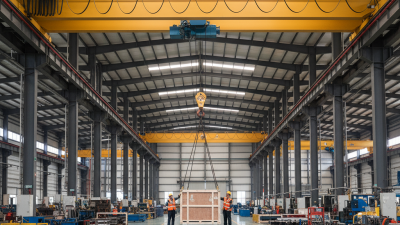
When it comes to industrial applications, a 1 ton overhead crane proves to be incredibly versatile. These cranes are capable of handling a wide range of tasks. From moving heavy machinery to transporting materials, their utility is clear. In factories, they assist in assembly lines, making processes more efficient. In warehouses, they streamline the loading and unloading of goods.

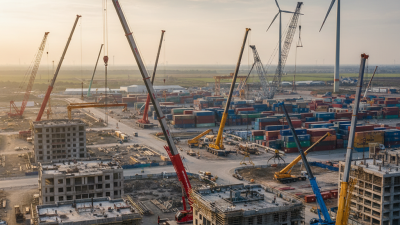
The adaptability of 1 ton overhead cranes extends beyond manufacturing. They find use in construction sites, helping lift various equipment and supplies. Their compact design allows them to operate in limited spaces, which is often a challenge in urban development. Additionally, they can be equipped with different attachments, accommodating diverse lifting needs. This flexibility makes them essential across multiple industries.

Despite their advantages, operators must weigh potential risks. Improper use can lead to accidents. Training and maintenance are critical for safety. Each industry presents unique challenges, requiring careful planning and execution. Regular inspections help maintain reliability. Balancing efficiency with safety is vital for optimal crane performance. This complexity encourages ongoing evaluation of operational practices.

Cost-Effectiveness and Maintenance Advantages of Using Cranes

Top Benefits of Using a 1 Ton Overhead Crane in Industrial Applications?

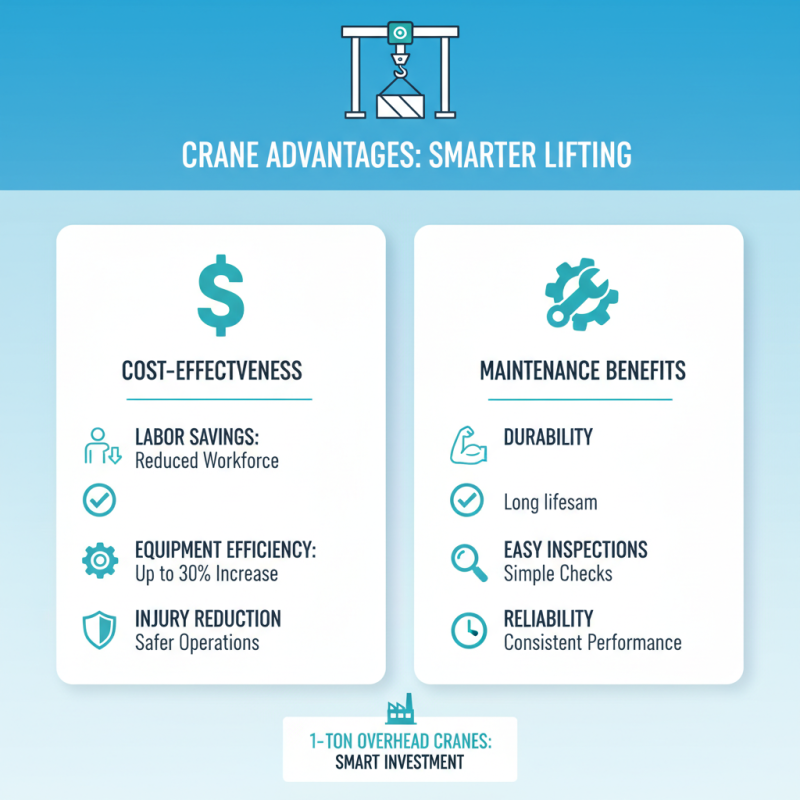
The cost-effectiveness of using a 1-ton overhead crane is evident across various industrial applications. These cranes provide significant savings in labor costs. A recent report indicated that equipment efficiency increases by up to 30% when using overhead cranes compared to manual lifting. This translates into reduced workforce stress and fewer injuries on the job.

Maintaining overhead cranes is often simpler and less expensive than other lifting equipment. Studies show that scheduled maintenance can extend the lifespan of these cranes by more than 20%. Regular inspections and easy access to parts can help avoid costly downtimes. However, businesses must commit to a routine maintenance schedule to fully realize these advantages. Often, companies overlook this critical aspect.

Data reveals that a well-maintained crane system can improve overall productivity. However, many industries fail to invest adequately in the upkeep of their cranes. This oversight leads to unanticipated repairs that can disrupt operations. Addressing these gaps in maintenance can unlock further cost savings and efficiency gains. Investing in proper training for operational staff can also minimize errors and enhance safety.

Increased Productivity Through Streamlined Operations with Cranes

The use of a 1-ton overhead crane can significantly enhance productivity in various industrial settings. According to industry reports, companies that implement cranes report a productivity boost of up to 30%. This increase stems from smoother workflows and reduced manual lifting. Workers can move heavy loads quickly, minimizing downtime and allowing for continual progress on projects.

However, the benefits extend beyond just speed. Cranes increase safety by reducing the risk of injury associated with manual handling of heavy materials. According to the Occupational Safety and Health Administration (OSHA), workplace injuries can decrease by as much as 25% when using overhead cranes. Investing in proper training for operators ensures that safety protocols are followed, further enhancing operational reliability.

Tips:
Regular maintenance of overhead cranes is crucial. Inspecting the equipment monthly can prevent unexpected failures. Encourage workers to report any irregularities they notice. This proactive approach can save costs in the long run. Also, consider integrating a crane management system. This can help in tracking usage and maintenance schedules effectively, optimizing overall operational efficiency.