Top 10 Benefits of Using a 1 Ton Crane for Your Heavy Lifting Needs
In the world of heavy lifting, having the right equipment can make all the difference in efficiency and safety. A 1 ton crane stands out as a versatile solution for a variety of lifting needs, allowing for the smooth handling of heavy materials in construction sites, warehouses, and manufacturing plants. This type of crane is specifically designed to accommodate loads up to one ton, incorporating advanced technology and robust construction to ensure reliability and performance.
Utilizing a 1 ton crane not only simplifies the lifting process but also enhances productivity by allowing workers to focus on their core tasks rather than struggling with manual lifting methods. This equipment is engineered to provide optimal stability and maneuverability, making it suitable for both indoor and outdoor applications. As industries continue to evolve and demand more from their lifting solutions, understanding the top benefits of using a 1 ton crane will help businesses make informed decisions that promote safety, efficiency, and operational success. This article delves into those advantages, crafting a comprehensive overview of why investing in a 1 ton crane is a game-changing choice for any heavy lifting operation.
Advantages of Utilizing a 1 Ton Crane for Efficient Lifting Tasks
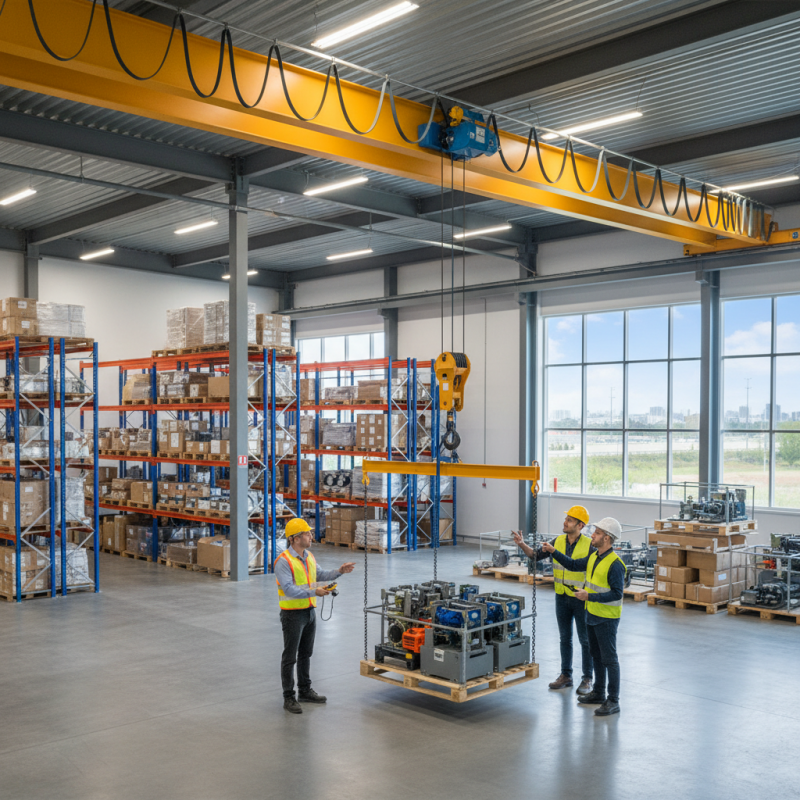
Utilizing a 1 ton crane for heavy lifting tasks offers numerous advantages that enhance operational efficiency and safety in various industries. One of the primary benefits is the impressive lifting capacity relative to its size. A 1 ton crane typically provides ample strength for many lifting operations, alleviating the need for larger, more cumbersome machinery. For instance, industry reports suggest that around 50% of lifting tasks in construction can be effectively managed with equipment having this capacity, which streamlines workflow and reduces setup time.
Safety is another critical advantage of using a 1 ton crane. Studies indicate that many workplace accidents in construction and manufacturing stem from improper lifting techniques and equipment malfunctions. By employing a properly calibrated 1 ton crane, operators can significantly minimize risks associated with heavy lifting. The cranes are often equipped with advanced safety features that comply with industry standards, ensuring that lifting tasks are performed within safe operational limits.
According to a survey by the Occupational Safety and Health Administration (OSHA), utilizing the right lifting equipment can reduce the likelihood of injuries by up to 40%, underscoring the importance of selecting a suitable crane for efficiency and safety.
Understanding the Versatility of 1 Ton Cranes in Various Industries
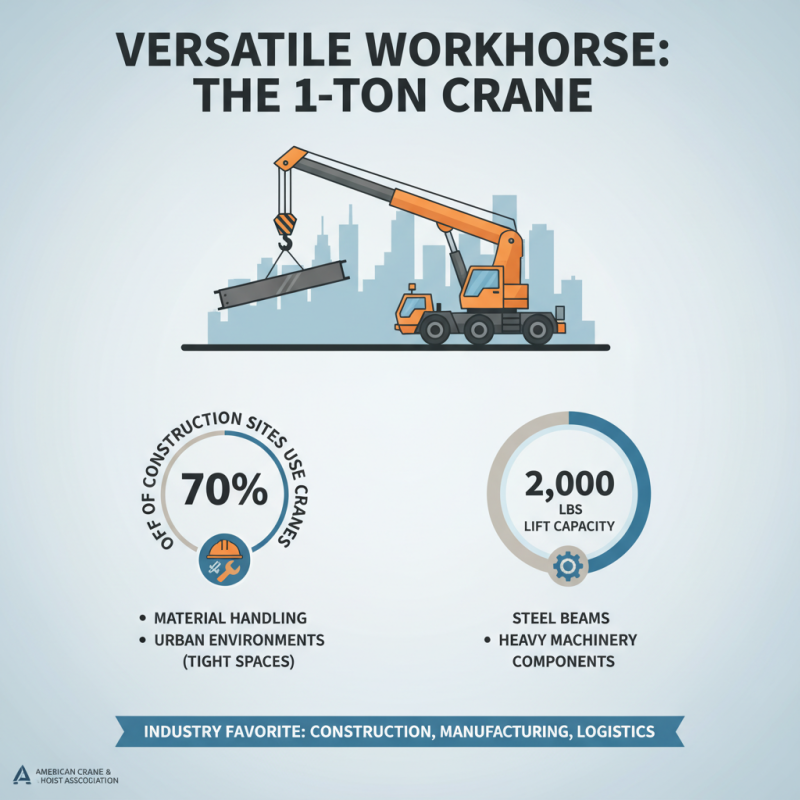
The versatility of 1-ton cranes makes them indispensable across various industries, including construction, manufacturing, and logistics. According to a report by the American Crane & Hoist Association, approximately 70% of construction sites employ cranes for material handling, with 1-ton cranes being favored for their balance of capacity and maneuverability. These cranes can easily navigate tight spaces, making them ideal for urban environments where space is a constraint. The ability to lift up to 2,000 pounds allows them to handle many objects, from steel beams to heavy machinery components, with minimal effort.
In the manufacturing sector, 1-ton cranes are often utilized for assembly and production processes. The Occupational Safety and Health Administration (OSHA) highlights that effective load handling can significantly improve workflow efficiency and reduce accident rates. For example, in facilities that use 1-ton cranes for assembly lines, productivity can increase by as much as 30%, as workers can transport heavy parts quickly and safely without manual lifting. Furthermore, these cranes can be easily integrated with automation systems, supporting the increasing trend towards smart manufacturing and streamlined operations.
Safety Features of 1 Ton Cranes That Enhance Workplace Security
When it comes to heavy lifting tasks, ensuring the safety of workers and equipment is paramount.
1 ton cranes are equipped with advanced safety features that significantly enhance workplace security. One of the most notable safety aspects is the incorporation of redundant systems, such as dual braking mechanisms, that prevent accidental drops and ensure stability during operation. This redundancy is crucial, especially in environments where heavy loads are constantly being maneuvered, as it provides an extra layer of protection against mechanical failure.
Additionally, modern 1 ton cranes often include built-in load limiters that monitor the weight being lifted in real-time. This feature not only prevents overloading but also alerts operators when they are nearing the crane's maximum capacity, thereby reducing the risk of accidents.
Moreover, many 1 ton cranes are designed with operator visibility in mind; features like rotating cabs and high-visibility indicators ensure that those operating the crane have a clear view of their surroundings, minimizing the chances of collisions or mishaps while lifting and transporting heavy objects.
These thoughtful safety integrations make 1 ton cranes an excellent choice for maintaining a secure work environment.
Cost-Effectiveness of 1 Ton Cranes in Heavy Lifting Operations
The cost-effectiveness of 1 ton cranes in heavy lifting operations is an essential consideration for businesses engaged in construction, manufacturing, and logistics. According to industry reports, the utilization of 1 ton cranes can lead to a significant reduction in operational costs. For instance, switching to these cranes can reduce labor costs by up to 25%, as they require fewer personnel to operate compared to larger cranes. This efficiency translates into faster project completion times, ultimately saving companies money on labor while boosting productivity.
Moreover, 1 ton cranes typically have lower maintenance and operational costs. Research indicates that smaller cranes incur up to 30% less in maintenance expenses, which is crucial for companies aiming to maximize their return on investment. The versatility and ease of maneuverability of 1 ton cranes also minimize wear and tear on machinery, further contributing to lower operational costs. With the added benefit of reduced transport costs due to their compact size, businesses can make substantial savings while still meeting heavy lifting requirements efficiently and safely.
Cost-Effectiveness of 1 Ton Cranes in Heavy Lifting Operations
Maintenance Requirements for Optimal Performance of 1 Ton Cranes
Maintenance is crucial for ensuring the optimal performance of 1-ton cranes. Regular inspections are necessary to identify wear and tear, ensuring that the crane operates efficiently and safely. According to a report by the Occupational Safety and Health Administration (OSHA), routine maintenance can reduce the likelihood of breakdowns by up to 40%, ultimately enhancing productivity on job sites. Operators should adhere to the manufacturer's guidelines, which often recommend checking key components such as the hoist mechanism, wire rope, and safety devices every three months.
To maintain a 1-ton crane effectively, consider implementing a preventive maintenance schedule. This should include regular lubrication of moving parts, checking hydraulic fluid levels, and ensuring electrical systems are functioning correctly. A report from the Crane Manufacturers Association of America (CMAA) emphasizes the importance of such practices, noting that preventative maintenance can extend the life of equipment by as much as 50%.
**Tip:** Keep detailed records of all maintenance activities and inspections, as this can help identify patterns over time and aid in making data-driven decisions when it comes to repairs or replacements. Additionally, involve your operators in the maintenance process to foster a deeper understanding of the equipment and its needs.
Top 10 Benefits of Using a 1 Ton Crane for Your Heavy Lifting Needs - Maintenance Requirements for Optimal Performance of 1 Ton Cranes
| Benefit |
Description |
Maintenance Requirement |
Frequency |
| Increased Efficiency |
Reduces time spent on lifting tasks. |
Regular inspections |
Monthly |
| Versatility |
Can lift various heavy materials. |
Check load limits |
Before each use |
| Safety Features |
Enhanced safety during lifting operations. |
Testing safety mechanisms |
Quarterly |
| Cost-Effectiveness |
Lowers labor costs over time. |
Lubrication of moving parts |
Monthly |
| Compact Size |
Ideal for limited spaces. |
Cleaning and inspections |
Bi-weekly |
| Easy Setup |
Quick to set up and operate. |
Check assembly integrity |
Before each use |
| Durability |
Designed for heavy-duty tasks. |
Structural inspections |
Annually |
| Operator Comfort |
Reduces strain on workers. |
Training for operators |
As needed |
| Improved Lifting Capabilities |
Handles heavier loads with ease. |
Calibration checks |
Semi-annually |
| Enhanced Productivity |
Maximizes output in operations. |
Performance evaluations |
Quarterly |