Why You Should Choose a 2 Ton Crane for Your Next Project?
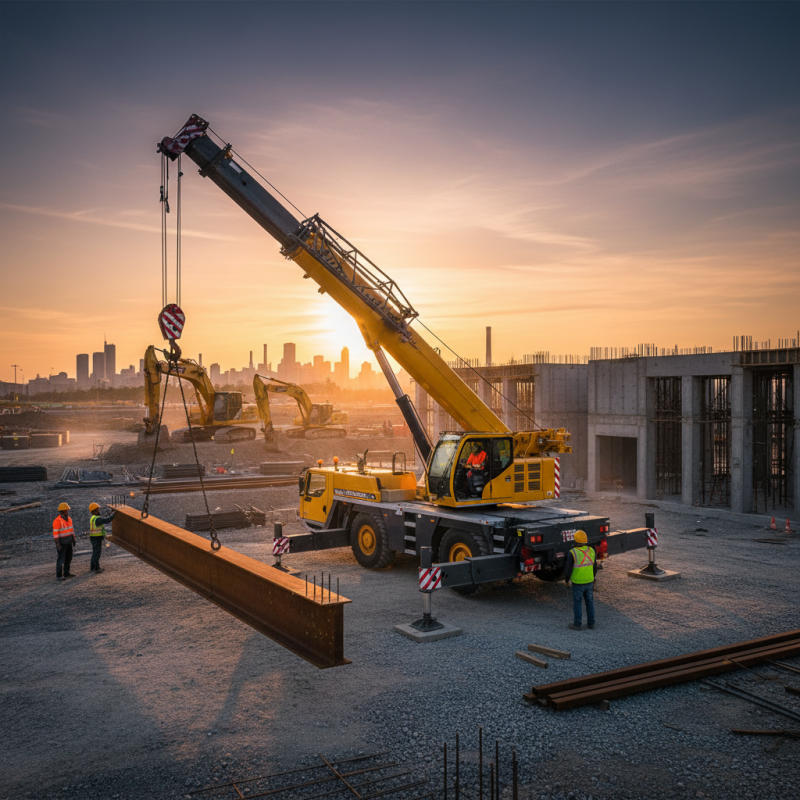
When embarking on a construction or heavy lifting project, choosing the right equipment is crucial. A 2 ton crane stands out as a versatile choice. Its design combines strength and maneuverability. This crane can handle various tasks, from lifting steel beams to moving heavy machinery.
Reliability is key in any project. A 2 ton crane delivers consistent performance. It’s built to withstand the rigors of demanding environments. This reliability is what makes it a favorite among professionals. Skilled operators appreciate its ease of use and stability.
However, not all projects may require a crane of this capacity. Underestimating your needs can lead to mistakes. Reassessing the requirements can ensure that the 2 ton crane is the right fit. Always weigh the options carefully and seek expert advice when needed.
Advantages of Using a 2 Ton Crane in Construction Projects
When considering equipment for construction projects, a 2-ton crane stands out. This capacity strikes a balance between strength and maneuverability. According to industry reports, a 2-ton crane can effectively handle most lightweight materials, making it ideal for various tasks. Its compact size allows for operations in tighter spaces, proving advantageous for both urban projects and confined sites.
Using a 2-ton crane can enhance efficiency. Studies indicate that these cranes can reduce labor hours by up to 30%. This leads to significant cost savings. Moreover, the ease of setup and operation minimizes downtime. A well-trained operator can quickly maneuver the crane, ensuring that materials are transported seamlessly across the worksite.
Tip: Always evaluate the load chart before operating. Understanding weight limits is crucial for safety.
While 2-ton cranes have clear advantages, challenges exist. The weight of the materials must be accurately assessed. Overloading the crane can lead to accidents and delays. Regular maintenance checks are also vital. Operators should inspect components frequently to prevent mechanical failures. Prioritizing these details can make a significant difference in overall project success.
Key Features to Consider When Selecting a 2 Ton Crane
When selecting a 2-ton crane for your project, there are essential features to consider. One key factor is the lift height, which should meet your specific requirements. Cranes typically offer various maximum heights, ranging from 10 to 40 feet. It’s crucial to choose one that can comfortably reach your desired elevation without compromising stability.
Weight distribution is another critical aspect. A crane's load chart provides insight into how much weight it can handle at varying distances from its center. According to industry data, cranes have a higher risk of tipping if not operated within their specified limits. Understanding the center of gravity and how it affects lifting operations is vital for safe usage.
Lastly, the crane's mobility can greatly influence efficiency on site. Some models offer features like 360-degree rotation and adjustable outriggers. Reports indicate that mobile cranes enhance flexibility, allowing projects to adapt to changing needs. This adaptability can ultimately save time and reduce labor costs. Failing to consider these aspects can lead to potential operational hazards. Always reflect on the long-term implications of your choice.
Why You Should Choose a 2 Ton Crane for Your Next Project? - Key Features to Consider When Selecting a 2 Ton Crane
| Feature |
Description |
Benefits |
| Load Capacity |
Can lift up to 2 tons |
Ideal for medium-sized projects |
| Height Reach |
Varies between 15 to 30 feet depending on model |
Suitable for both indoor and outdoor use |
| Power Source |
Electric and diesel options available |
Flexibility to use in various locations |
| Control System |
Remote and manual options for operation |
Enhanced safety and ease of use |
| Mobility |
Truck-mounted or portable models |
Easy transportation to job sites |
| Safety Features |
Equipped with overload protection and emergency stop |
Minimizes risks during operation |
Comparing 2 Ton Cranes to Other Crane Sizes
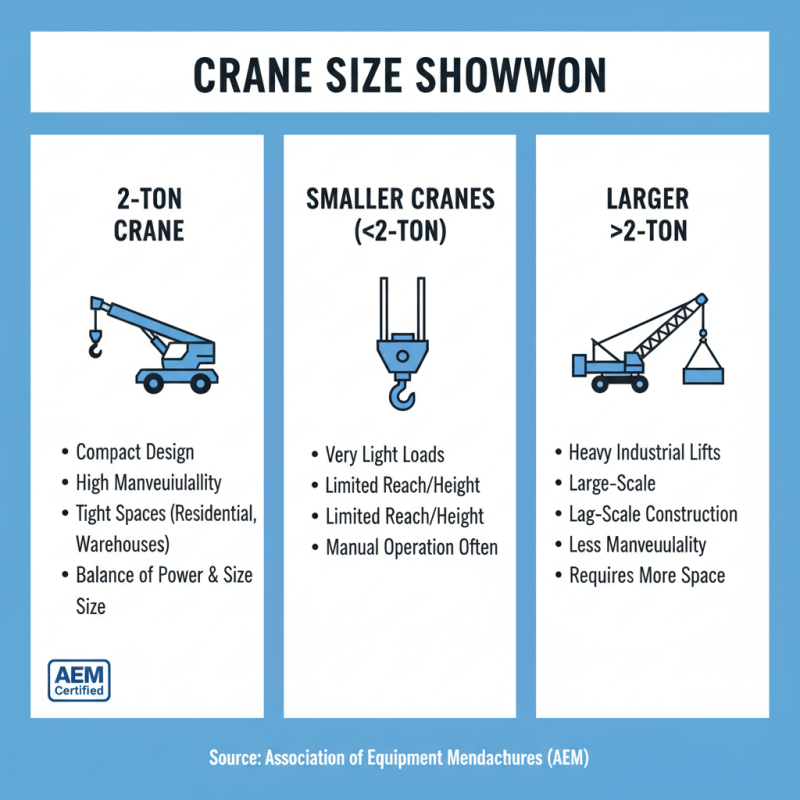
When selecting a crane for construction or industrial projects, size matters. A 2-ton crane offers advantages over larger models. It provides a balance of maneuverability and lifting capacity. According to the Association of Equipment Manufacturers (AEM), 2-ton cranes are often preferred in tight spaces where larger cranes struggle. They have a compact design that makes them suitable for small to medium-sized projects, including residential construction and warehouse setups.
Moreover, 2-ton cranes consume less fuel and require lower maintenance costs. The Equipment Rental Association (ERA) reports that these cranes often show 20-30% lower operational costs. Lighter cranes reduce wear and tear on infrastructure. This results in longer life cycles and fewer equipment failures. Operators can also navigate them more efficiently, which is essential in congested job sites. However, the lifting capacity may limit them in heavier applications, which requires careful planning.
It's important to weigh your project needs against the strengths of a 2-ton crane. While they excel in many areas, some users may find their limitations frustrating. Projects with heavier materials might necessitate larger cranes. Assessing the right fit can save both time and resources. Observing real-world performance data helps refine these choices.
Safety Considerations for Operating a 2 Ton Crane
Operating a 2-ton crane requires careful attention to safety considerations. Always assess the work environment before beginning. Ensure the ground is stable and can support the crane's weight. Check for overhead obstacles. A clear area prevents accidents.
Communication is key. Use hand signals or radios to maintain contact among team members.
Proper training is critical for operators. They should understand the crane's controls and limitations. Routine inspections can prevent malfunctions. Look for wear and tear on cables and pulleys. It’s easy to overlook these details in a busy environment, but neglecting them can lead to serious incidents.
Maintain a safe distance when lifting loads. Never exceed the crane's capacity. Understand the load's center of gravity. Miscalculations can result in accidents. Encourage a safety-first culture among workers. Regular meetings can foster awareness. Reflect on past incidents to improve practices. Each project is an opportunity to enhance safety protocols.
Cost-Effectiveness of Renting versus Buying a 2 Ton Crane
When considering a 2 ton crane for your project, the decision to rent or buy can have significant financial implications. Renting a crane often appears to be a more attractive option initially. A recent industry report indicated that rental costs for cranes can be as low as $200 per day, saving businesses upfront capital. This flexibility allows companies to allocate more resources to other critical components of a project.
However, buying a crane requires a larger investment, typically around $20,000 for a 2 ton model. Maintenance costs and insurance must also be factored in. Over time, owning a crane may prove to be less expensive, especially for businesses with frequent lifting tasks. An analysis showed that companies that engage in regular heavy lifting can recoup their investment within three to five years.
That said, not every project requires long-term ownership. Projects with limited durations or irregular lifting needs can lead to financial strain if a crane is bought outright. Additionally, storing and maintaining a crane incurs ongoing costs that are often overlooked in initial calculations. Reflecting on these factors is crucial. Deep analysis and understanding of your specific project requirements will lead to better decision-making in crane utilization.
Cost-Effectiveness of Renting versus Buying a 2 Ton Crane