How to Choose the Right 10 Ton Overhead Crane for Your Operations?
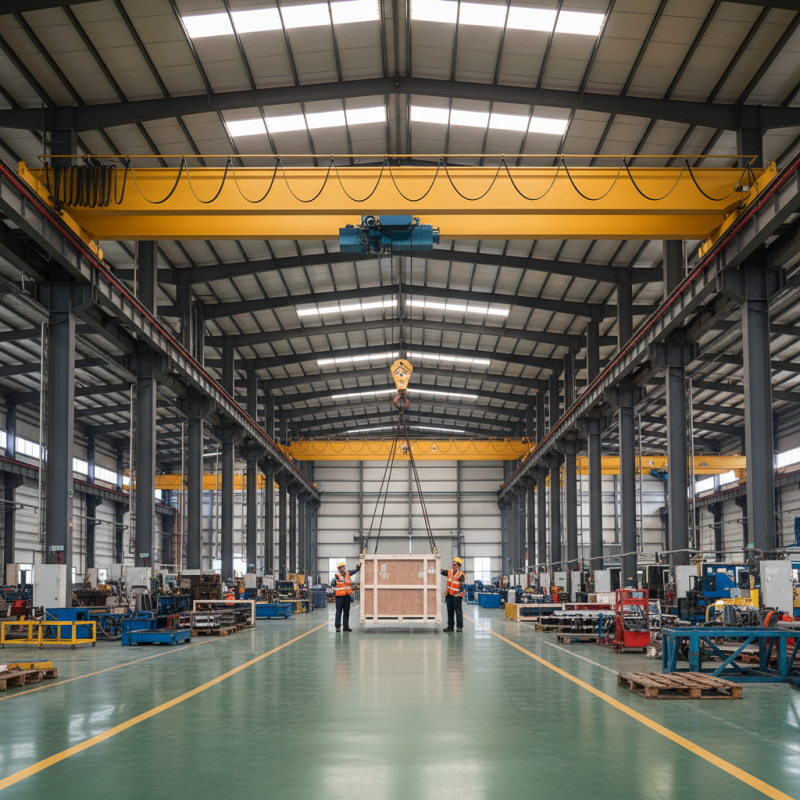
Choosing the right 10 ton overhead crane is crucial for enhancing operational efficiency. Each operation has unique needs. Therefore, understanding your specific requirements is essential. A well-suited crane can reduce downtime and improve safety.
Various factors influence the selection process. Load capacity, lift height, and span are key considerations. Crane design and mobility also matter. For instance, a fixed crane suits spacious factories, while a mobile crane is better for varied sites.
Many businesses overlook maintenance needs. Regular checks prolong the crane's lifespan and ensure safe operation. Also, consulting with industry experts is wise. They provide insights that can guide your decision-making process. Remember, taking the time to understand these elements can lead to a more reliable and effective 10 ton overhead crane.
Understanding the Basics of Overhead Cranes and Their Capacity Ratings
When selecting a 10-ton overhead crane, understanding the basics of overhead cranes is crucial. Overhead cranes are used for heavy lifting in various industries. Knowing their capacity ratings helps ensure safe and efficient operations. A 10-ton crane can safely lift loads up to 20,000 pounds. But how do you determine if this capacity is suitable for your needs?
Capacity ratings are essential. They indicate how much weight a crane can lift safely. However, factors like load type and lifting height also matter. For example, a load with an uneven weight distribution may require a crane with a higher capacity rating. Additionally, the operational environment, such as temperature and humidity, can affect performance.
Choosing a crane based solely on capacity can be misleading. It’s essential to consider other aspects like the crane's design and features. For instance, a poorly maintained crane may not perform effectively, even if its rating is adequate. Reflecting on past experiences can provide useful insights. Engaging experienced operators during the selection process will enhance reliability and safety in your operations.
Assessing Your Operational Needs for a 10 Ton Overhead Crane
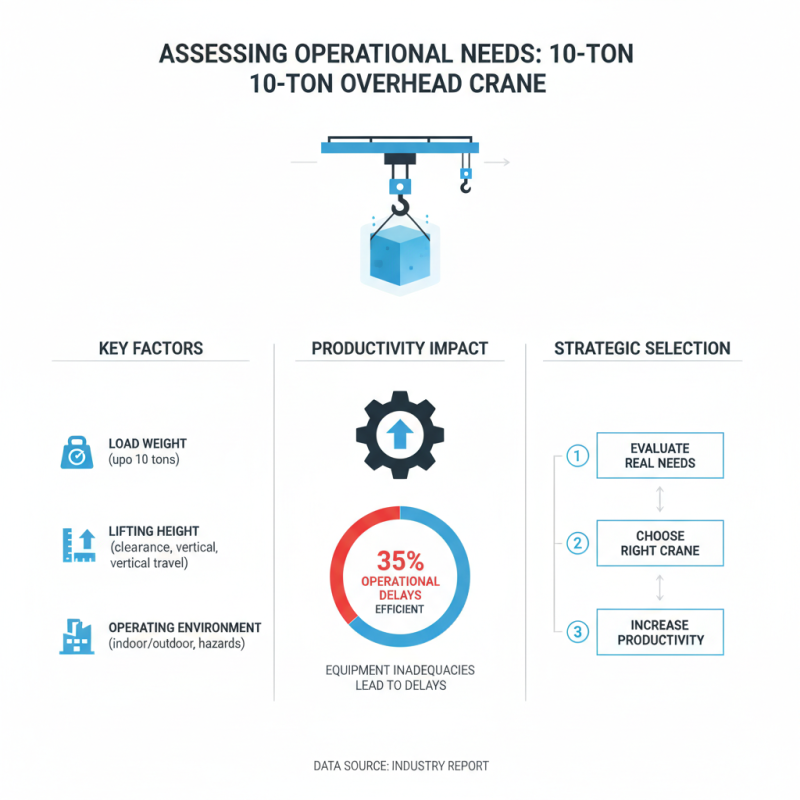
Choosing the right 10-ton overhead crane begins with assessing your operational needs. The crane's capacity directly influences productivity. Factors such as load weight, lifting height, and operating environment must be evaluated carefully. A recent industry report indicates that around 35% of operational delays are linked to equipment inadequacies. These figures highlight the importance of proper selection based on real needs.
Consider the type of materials you handle. Heavy, bulky items require cranes designed for stability and strength. Additionally, many facilities operate under varying temperatures and conditions. A crane may perform well in a controlled setting but underperform in harsher environments. Addressing these details can prevent costly operational disruptions.
Another aspect frequently overlooked involves the crane's operational frequency. Continuous use might require features like enhanced lift speeds or specialized controls. Industry data reveals that 40% of maintenance issues arise from equipment being overworked. Regular assessment of crane requirements ensures longevity and operational efficiency, ultimately fostering a smoother workflow.
Key Features to Look for in a 10 Ton Overhead Crane
When selecting a 10-ton overhead crane, several key features will greatly influence its effectiveness in your operations. First, consider the lifting capacity. Although rated at 10 tons, the actual load should match your operational requirements. Ensure the crane can handle various loads safely, especially if your projects vary in weight and shape.
Next, focus on the design and ease of use. An intuitive operator interface makes training simpler. Features like remote controls enhance efficiency and safety. Maintenance accessibility is vital as well. Frequent inspections and repairs can minimize downtime. Look for cranes with clear, well-placed entry points for quick checks and services.
Lastly, safety features are non-negotiable. Check for overload protection mechanisms and emergency stop systems. These elements not only protect your equipment but also safeguard your workforce. Properly documented safety certifications can reinforce the crane's reliability. When you notice a lack of these essential traits, it might lead to costly mistakes down the line. Balancing performance with safety involves thorough evaluation and reflection on your operational needs.
How to Choose the Right 10 Ton Overhead Crane for Your Operations? - Key Features to Look for in a 10 Ton Overhead Crane
| Feature |
Description |
Importance |
| Load Capacity |
The maximum weight the crane can handle safely |
Critical for ensuring safety and operational efficiency |
| Span |
The distance between the crane's support points |
Affects the coverage area for lifting operations |
| Height of Lift |
Maximum vertical distance the crane can lift loads |
Essential for operations with varying elevations |
| Power Supply |
Type of electrical power source needed for operation |
Impacts installation and operational costs |
| Control System |
Method of controlling crane movements (e.g. remote, pendant) |
Influences ease of use and safety during operation |
| Build Material |
Material used in construction (e.g. steel, aluminum) |
Affects the crane's durability and weight |
| Safety Features |
Inclusion of safety mechanisms (e.g. limit switches, emergency stops) |
Vital for ensuring safe operations and compliance |
| Maintenance Requirements |
Frequency and type of maintenance needed for the crane |
Influences long-term operational costs |
Cost Considerations and Budgeting for Your Overhead Crane Purchase
When budgeting for a 10-ton overhead crane, several key factors influence your costs. The initial purchase price is just the start. Installation, maintenance, and operational costs can add significantly to your budget. According to industry reports, overhead cranes can have lifecycle costs that equal or exceed their purchase price.
Consider the long-term expenses. Regular maintenance can prevent breakdowns and unexpected costs. Data indicates that planned maintenance can reduce operational downtime by up to 20%. Include training for operators and safety equipment in your budget. This investment ensures efficient use and compliance with safety standards.
**Tip:** Always evaluate the total cost of ownership before finalizing a purchase. Compare different models and configurations.
Evaluate financing options as well. Some companies offer leasing arrangements that can reduce upfront costs. A detailed cost analysis may reveal more sustainable pathways for your operations. Pay attention to warranty details and customer support offerings to avoid future expenses.
**Tip:** Document all your expenses to help track and analyze your budget effectively. This allows for adjustments in future planning.