2025 How to Choose the Right Tower Crane for Your Construction Project
Choosing the right tower crane for your construction project is a critical decision that can significantly impact efficiency, safety, and overall project success. As construction demands evolve and projects grow in complexity, selecting the most suitable tower crane becomes essential for effective material handling and site management. With various types of tower cranes available—each designed for specific applications and conditions—understanding the key factors that influence this choice can save time and resources while enhancing productivity on-site.
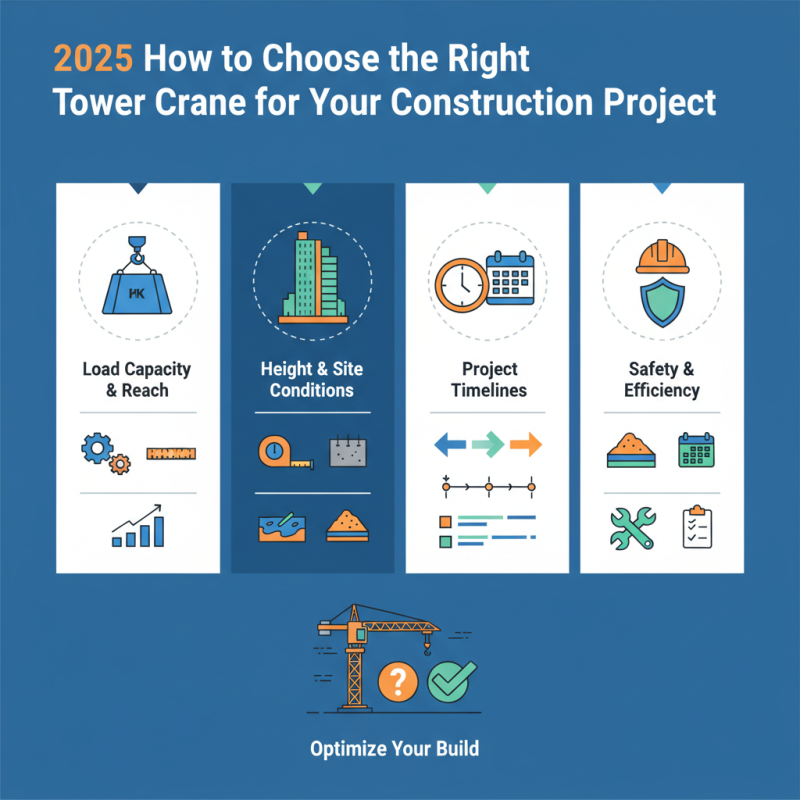
In this guide, we will explore the integral aspects to consider when selecting a tower crane, including load capacity, height requirements, site conditions, and project timelines. Additionally, we will discuss the importance of understanding your project's specific needs and how selecting the right tower crane can facilitate smoother operations, reduce downtime, and ensure worker safety. By comprehensively addressing these considerations, you will be better equipped to make an informed decision that aligns with your construction objectives and sets your project up for success.
Understanding Tower Crane Types and Their Applications
When selecting a tower crane for your construction project, it's essential to understand the various types available and their specific applications. Tower cranes typically come in two main categories: flat-top cranes and luffing-jib cranes. Flat-top cranes are ideal for urban construction where height restrictions are not a major concern. They offer a greater lifting capacity and are easier to assemble and disassemble, making them suitable for large-scale projects. On the other hand, luffing-jib cranes are designed for situations with limited height clearance. Their ability to adjust the angle of the jib allows for efficient operations in tight spaces, making them perfect for projects near existing structures.
Tips: When choosing between crane types, consider the lifting capacity required for your project. Ensure to assess the dimensions of the construction site and the surrounding environment, as this will influence the crane's necessary reach and type of operation. It's also crucial to evaluate the projected timeline and complexity of your construction to align the crane's capabilities with the workflow.
Additionally, it's vital to factor in the terrain and ground conditions of your site. Some cranes may require more stable foundations, while others are designed for rougher ground. Prioritizing these aspects will help guarantee a more efficient construction process and minimize potential safety risks during operation.
Key Factors to Consider When Selecting a Tower Crane
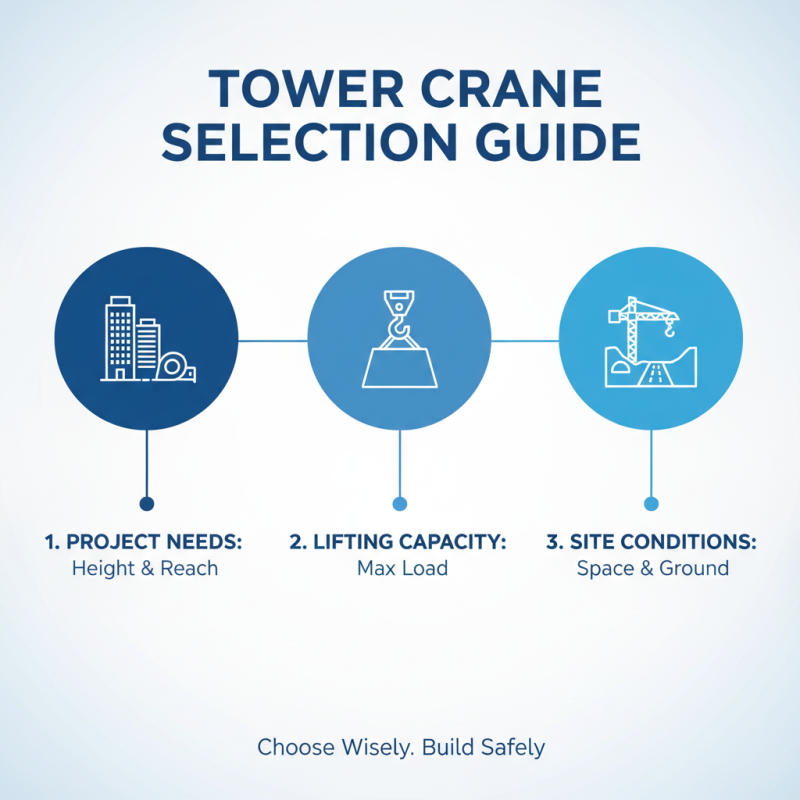
When selecting a tower crane for your construction project, several key factors must be taken into account to ensure that you choose the most suitable option. Firstly, the project’s specific requirements, such as the height and reach needed, must be assessed. The lifting capacity of the crane is crucial; it should be able to handle the heaviest loads you anticipate during construction. Additionally, consider the site conditions, such as space constraints and ground conditions, which can significantly impact the type of crane that can be employed.
Another essential factor is the configuration of the crane. Understanding whether a flat-top crane, a luffing crane, or a hammerhead crane best suits your project can make a significant difference in efficiency and safety. Each type has its advantages and is suitable for different conditions and workloads. Furthermore, consider the crane's setup time and ease of transport, as these can affect the overall timeline of your project. Lastly, ensure that you have a qualified operator and that all safety regulations are adhered to, as this will help mitigate risks associated with crane operation on site.
Assessing Site Conditions and Logistics for Tower Crane Setup
When selecting the right tower crane for a construction project, thoroughly assessing site conditions and logistics is crucial for ensuring an efficient setup. Understanding the geographical and physical characteristics of the site can greatly influence the choice of crane. For instance, variables such as ground stability, height restrictions, and the proximity of surrounding structures should be carefully evaluated. Terrain analysis, including slope gradients and soil composition, will determine whether additional groundwork is required to create a stable foundation for the crane.
Logistics play an equally significant role in the successful deployment of a tower crane. This entails planning the movement of equipment and materials around the construction site. Access routes should be analyzed to ensure that large crane components can be transported safely and efficiently. Additionally, the working radius of the crane informs the layout of the site, helping to optimize the positioning of materials and the workflow. It’s also important to coordinate with local authorities regarding any necessary permits or regulations, which can affect both site accessibility and crane operations. By diligently assessing site conditions and logistical considerations, construction teams can select a tower crane that enhances productivity and safety throughout the project.
Evaluating Load Capacity and Reach Requirements
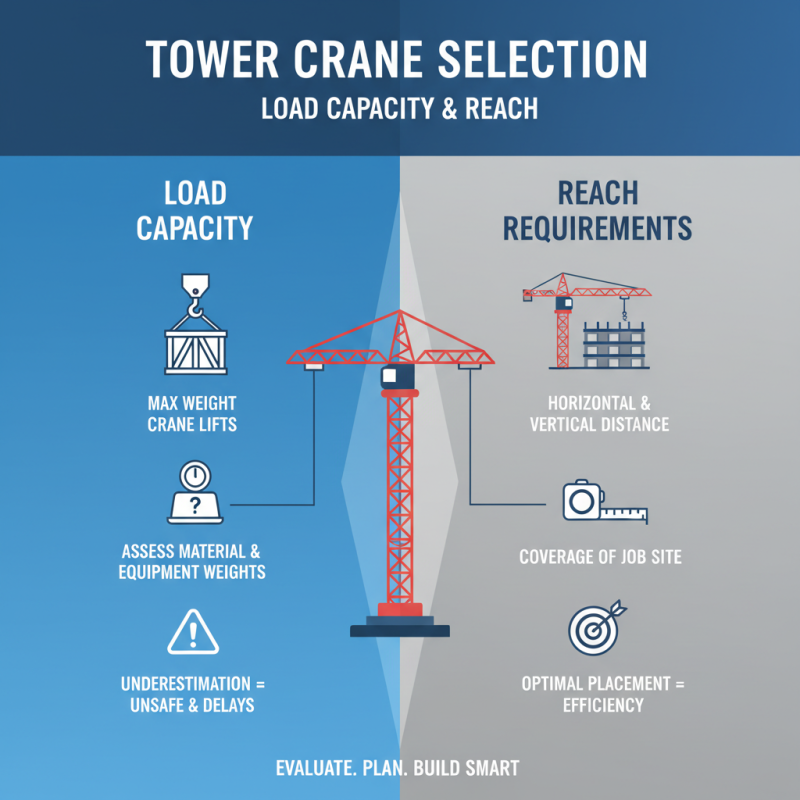
When selecting the right tower crane for your construction project, evaluating load capacity and reach requirements is essential. Load capacity refers to the maximum weight a crane can lift, which varies with different models and configurations. Properly assessing the weight of materials and equipment that need to be raised at the job site is critical. Underestimating these loads can lead to unsafe conditions and project delays.
Reach is another critical factor in crane selection. It determines how far the crane can hoist materials horizontally and vertically, impacting its overall effectiveness on the job site. Consideration must be given to the layout of the construction area, including obstacles and the height of the structures being built. A crane with inadequate reach may not be able to operate effectively, impacting workflow and safety.
**Tips:** 1. Always consult with a structural engineer to understand the specific load requirements of your project. 2. Evaluate the crane’s specifications in relation to the job site's constraints. 3. Factor in future project phases while considering crane reach to avoid potential issues as the construction evolves.
Choosing the Right Manufacturer and Supplier for Your Tower Crane
When it comes to selecting the right manufacturer and supplier for your tower crane, several critical factors should guide your decision-making process. First and foremost, assess the supplier’s experience and reputation within the industry. A manufacturer with a solid track record and positive customer reviews can provide assurance of the quality and reliability of their equipment. Look for suppliers who specialize in tower cranes and have a legacy of successful projects, as their expertise can significantly impact the efficiency and safety of your construction project.
Additionally, it is essential to evaluate the range of products offered by the supplier. A good manufacturer will provide a variety of tower cranes suited for different project needs, ensuring that you have the right equipment for your specific requirements. Consider factors such as lifting capacity, height reach, and features tailored to your project. Moreover, pay attention to the availability of support services, such as maintenance and repairs, which are vital for minimizing downtime and enhancing operational efficiency. By ensuring that you partner with a knowledgeable and adaptable supplier, you will set a solid foundation for your construction project's success.
2025 How to Choose the Right Tower Crane for Your Construction Project
| Attribute |
Description |
Importance |
Example Specification |
| Load Capacity |
The maximum weight the crane can lift. |
Critical for safety and efficiency. |
10 tons |
| Height of Tower |
The total height of the crane structure. |
Determines reach and usability on site. |
60 meters |
| Jib Length |
The horizontal arm of the crane. |
Affects working radius and efficiency. |
50 meters |
| Rotation Angle |
The degree to which the crane can rotate. |
Impacts maneuverability and coverage. |
360 degrees |
| Power Source |
Type of energy that drives the crane. |
Influences operational costs and environmental impact. |
Electric |
| Manufacturer Reputation |
The reliability and service of the supplier. |
Essential for quality assurance. |
High customer satisfaction ratings |