How to Choose the Best 2 Ton Crane for Your Needs?
When faced with the task of selecting the right 2 ton crane, many factors come into play. The loading capacity of a 2 ton crane makes it a versatile tool for various lifting jobs. However, not all cranes are created equal. You must consider the specific needs of your project.
Understanding the unique features of different crane models is essential. Some are designed for speed, while others excel in precision. Brand reputation and safety certifications are crucial for reliability. Always check manufacturer guidelines. They provide insights into the crane’s capabilities and limitations.
It is easy to overlook factors like terrain and space. A 2 ton crane that works in one environment may struggle in another. Take time to assess your worksite. This reflection can prevent costly mistakes. Investing time in this decision, even if it feels daunting, pays off in efficient operations.
Understanding the Basics of 2 Ton Cranes and Their Applications
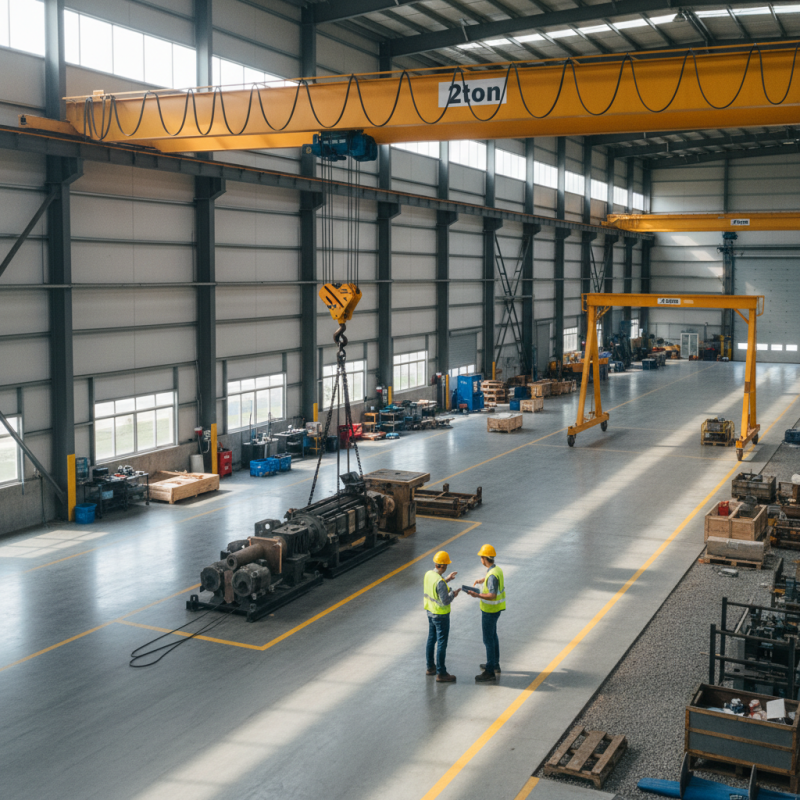
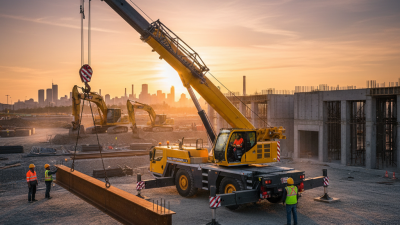
When considering a 2 ton crane, understanding its basics is essential. These cranes typically lift loads up to 2,000 kilograms. They are commonly used in construction, manufacturing, and shipping industries. Their versatility enables them to handle various materials, from steel beams to pallets of goods.
Knowing the specifics of 2 ton cranes can greatly enhance your decision-making. For instance, the crane's height and reach are crucial. Some jobs may require lifting in tight spaces, while others may need extended reach. The type of load also matters. Is it a static or dynamic load? This can influence safety and efficiency.
Maintenance shouldn’t be overlooked. Regular checks on cables and safety features are vital. A neglected crane can create hazards and increase operation costs. Be aware of your site's conditions too. Weather and terrain can affect crane performance. Reflecting on these factors can refine your choice and ensure it suits your specific needs.
Identifying Your Specific Lifting Requirements and Environment
When selecting a 2-ton crane, understanding your specific lifting requirements is crucial. The type of load, its weight, and the lifting height are primary factors. According to industry reports, nearly 30% of crane accidents result from improper load specifications. Choosing a crane that accurately matches your needs reduces risk.
Equally important is the environment in which the crane will operate. Indoor or outdoor use influences your choice of equipment. If operating indoors, consider space limitations and ceiling heights. Outdoor sites may introduce wind factors and uneven terrain. Research indicates that nearly 40% of operational challenges stem from these environmental factors. Awareness of these can prevent accidents and ensure efficiency.
Regular inspection and maintenance practices are essential. A report by the Occupational Safety and Health Administration (OSHA) states that poor maintenance is a leading cause of crane failure. A reliable crane needs periodic checks and adjustments. Failure to do so can lead to serious safety incidents. This aspect of crane operation warrants continuous attention.
Crane Lifting Capacity Breakdown by Type
Key Features to Consider When Selecting a 2 Ton Crane
When selecting a 2-ton crane, consider several key features that impact performance and safety.
Load capacity is critical. Ensure the crane can handle your heaviest loads with a margin for safety.
Stability is another vital factor. Choose a crane with a robust design that minimizes tipping during operation.
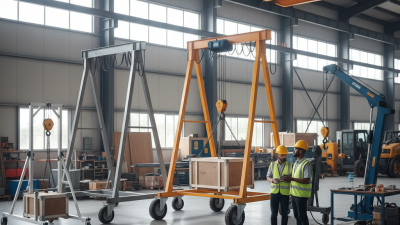
Mobility is also important. If you need to move the crane around a job site, look for models with wheels or tracks. These features enhance efficiency when re-positioning.
Weight limits must be clearly indicated, and exceeding them can cause accidents.
Tips for selection: Test the crane before purchasing. Check its functionality under real conditions. If possible, seek insights from professionals who use cranes regularly. Their experience can guide you to the right choice.
Quality matters; invest in a reliable crane, even if it costs more. Remember, the cheapest option may lead to higher repair costs later. Aim for a balance between cost and quality.
Evaluating Crane Types: Electric vs. Manual Options
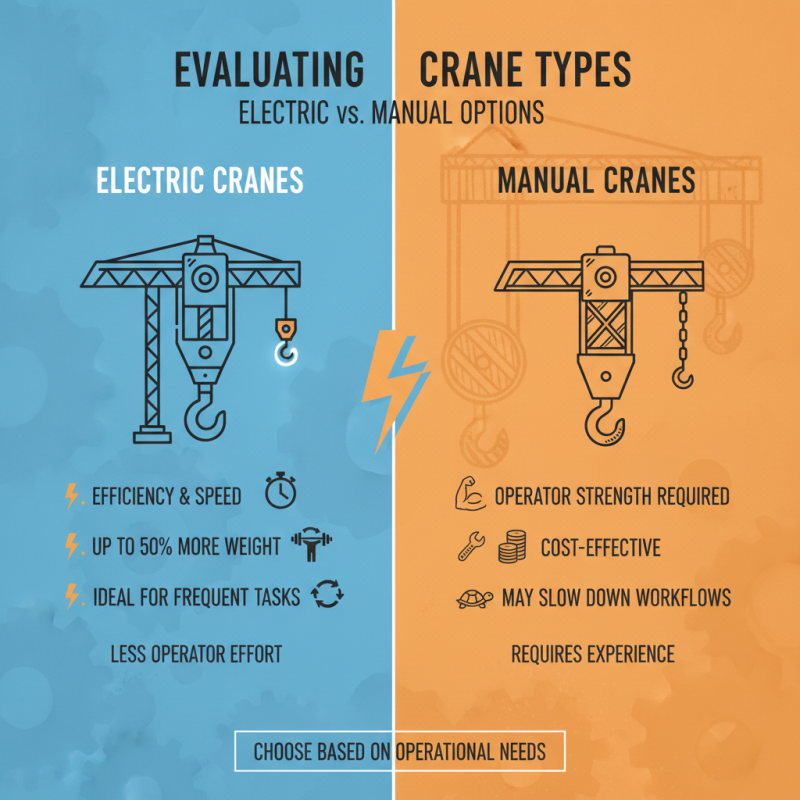
When choosing between electric and manual cranes, evaluate the specific needs of your operations. Electric cranes offer efficiency and speed. According to industry data, they can lift up to 50% more weight than manual counterparts with less effort. This makes them ideal for frequent lifting tasks. In contrast, manual cranes require operator strength and experience. They can be cost-effective but may slow down workflows.
Tips: Consider your workspace. Electric cranes need access to power sources. Manual cranes are more portable and useful in tight spaces. They also provide better control for delicate operations.
Electric cranes might have higher initial costs, but they can result in long-term savings. The maintenance frequency for electric options can be higher, requiring expertise. Manual cranes may lack power but excel in versatility. According to a recent survey, 70% of operators prefer the craftsmanship of manual cranes, appreciating their simplicity.
Tips: Always assess the types of loads you will handle. Know that not every crane suits every task. Be wary of weight limits and operational efficiency. Consider the skill level of your team as it impacts crane choice.
Comparing Manufacturers and Price Points for Quality Selection
When selecting a 2 ton crane, understanding manufacturers and price points is crucial. Various factors influence quality. It’s not just about the price. Manufacturers often offer different features and specifications. Some may cut corners to offer lower prices. This can lead to compromised safety and reliability.
Consider the materials used in construction. Some cranes are built with higher-grade steel, ensuring durability. Others might use lighter materials to reduce costs. This can make a significant difference in performance over time. Don't overlook warranty and service options. A robust warranty often reflects manufacturer confidence in their product quality.
Research is essential. Reading customer reviews can provide insight into performance and reliability. However, personal experiences may vary. It’s wise to visit local suppliers and compare options firsthand. Get a feel for the equipment. Sometimes, it’s beneficial to consult with experts in heavy machinery. Their insights can guide you toward reliable choices based on your specific needs.