How to Choose the Best Truck Mounted Crane for Your Business?
Choosing the right truck mounted crane can be a daunting task. The global truck mounted crane market is expected to grow significantly, reaching USD 3.4 billion by 2025. This growth reflects increasing demand across various industries, including construction and logistics. An appropriate crane can enhance operational efficiency, ensuring smoother project execution.
Several factors should guide your choice. Consider the maximum load capacity, reach, and ease of use. A truck mounted crane with a higher capacity can lift heavier loads, reducing the number of trips needed. Additionally, the flexibility to maneuver in tight spaces enhances job site productivity. According to industry reports, 70% of businesses cite equipment reliability as a key factor in their purchasing decisions.
It's also crucial to evaluate the maintenance support available. Even the best truck mounted cranes require upkeep. Regular maintenance can extend the lifespan of your equipment. Furthermore, some brands offer superior service networks, which can minimize downtime. Making an informed decision is essential, as this investment can impact your bottom line. Always weigh your options carefully and stay updated with current industry trends.
Understanding the Different Types of Truck Mounted Cranes
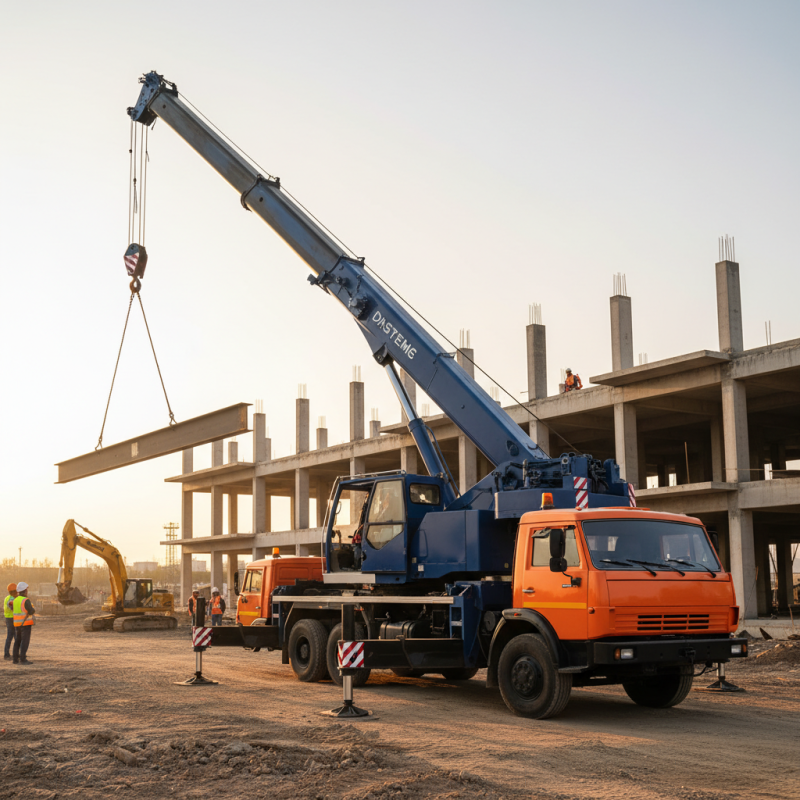
When it comes to choosing a truck mounted crane, understanding the different types is crucial. There are various types, each suited for specific jobs. Most commonly, you’ll encounter knuckle boom cranes, which are versatile and can reach around obstacles. These cranes are excellent for tight spaces, making them ideal for urban construction sites.
Another type is the straight boom crane. These cranes offer significant lifting capability and can extend to great heights. They are highly efficient for high-rise projects but require ample operational space. The selection will depend on the nature of your work and the environment you operate in.
Tips: Always assess the maximum lift capacity needed for your projects. Consider future needs; investing in a crane that exceeds current requirements may save costs in the long run. Remember to evaluate the crane’s stability and ease of use. A poorly chosen crane might lead to difficult operations and safety risks. Always review user feedback to gauge performance in real-world scenarios.
Comparison of Different Types of Truck Mounted Cranes
This bar chart compares the load capacities of different types of truck mounted cranes, helping you decide which crane may be the best fit for your business needs.
Assessing Your Business Needs and Project Requirements
Choosing the right truck mounted crane hinges on understanding your specific business needs. Consider the typical weight of loads you will handle. Assess your project types. Demand for versatility is crucial. If you operate in tight spaces, a compact model might be more effective. For larger sites, a heavy-duty crane could be necessary.
Evaluate the height and reach required for your projects. If most of your tasks involve lifting materials to high places, ensure your chosen crane meets these specifications. Review the environment too. Some models are better suited for urban areas, while others excel in rugged terrains. It’s also wise to reflect on fuel efficiency and maintenance costs. These factors impact long-term investment.
Don't forget the operator's skill level. An advanced crane might require specialized training. This adds to operational costs and time. Balancing capabilities with your budget can be challenging. Regularly revisit your needs as your business grows. This ongoing assessment ensures you always have the best equipment for evolving demands.
How to Choose the Best Truck Mounted Crane for Your Business? - Assessing Your Business Needs and Project Requirements
| Dimension |
Description |
Recommended Range |
| Lift Capacity |
Maximum weight the crane can lift |
5 tons - 20 tons |
| Boom Length |
Length of the crane’s boom that extends out |
15 ft - 40 ft |
| Overall Weight |
Total weight of the crane |
3,000 lbs - 12,000 lbs |
| Operating Range |
Area in which the crane can effectively operate |
360 degrees |
| Fuel Type |
Type of fuel the crane uses |
Diesel / Electric |
| Reach Height |
Maximum height the crane can reach |
20 ft - 60 ft |
| Control Type |
How the crane is operated |
Manual / Remote |
| Cost |
Estimated price range for the crane |
$15,000 - $50,000 |
Evaluating Load Capacity and Crane Specifications
Choosing the right truck mounted crane involves careful evaluation of load capacity and specifications. Load capacity is essential. It determines what weight your crane can handle safely. Always consider the heaviest loads you will encounter. A crane that cannot lift your heaviest items is a liability.
Specifications also matter. Look closely at the reach and height capabilities. Some projects may require extensive vertical and horizontal reach. Assess how these factors align with your operational needs. It's important to match crane features with job site requirements. Inadequate specifications can lead to inefficiencies.
Reflect on your unique business needs as well. Do you foresee growth in your projects? If so, investing in a crane with higher capacity could be wise. However, overestimating needs can result in unnecessary expenses. Balancing future potential with current requirements is crucial. Selecting the right truck mounted crane is not just a technical decision; it's about aligning it with your business strategy.
Considering Safety Features and Compliance Standards
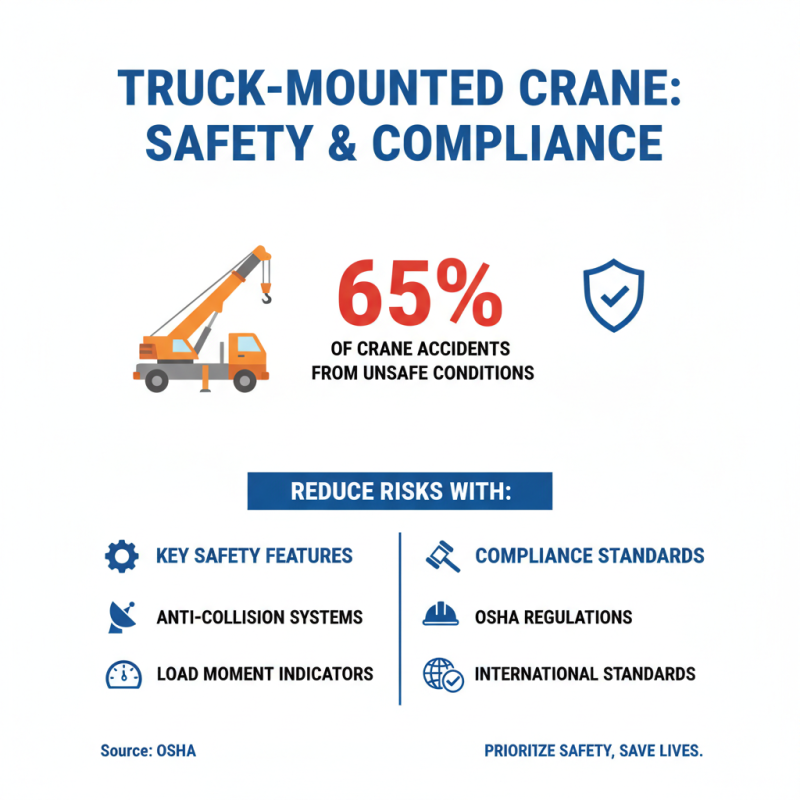
When selecting a truck mounted crane, safety features and compliance standards should be top priorities. According to the Occupational Safety and Health Administration (OSHA), approximately 65% of crane-related accidents stem from unsafe conditions. Thus, ensuring that the crane meets safety regulations can significantly reduce operational risks. Look for cranes equipped with anti-collision systems and load moment indicators. These features help prevent accidents by notifying operators of excessive loads or unsafe maneuvers.
Understanding compliance standards is equally vital. The American National Standards Institute (ANSI) sets guidelines that truck mounted cranes must follow. Non-compliance can lead to penalties and increased risk of incidents. In a recent industry report, 30% of companies reported that investing in cranes with high compliance ratings improved their safety records. It's essential to evaluate the manufacturer's adherence to these standards. Request documentation that confirms the crane's safety features and compliance certifications.
Moreover, it is crucial to remain vigilant about routine inspections and maintenance. Many businesses neglect regular checks, which can lead to mechanical failures. A staggering 40% of crane incidents are attributed to equipment malfunction due to poor maintenance. Thus, investing in cranes with robust safety features is just one part of a broader safety culture that must be instilled in daily operations. Regular training and upgrades to maintain compliance should also be integral to your business strategy.
Analyzing Cost-Benefit Factors for Your Investment
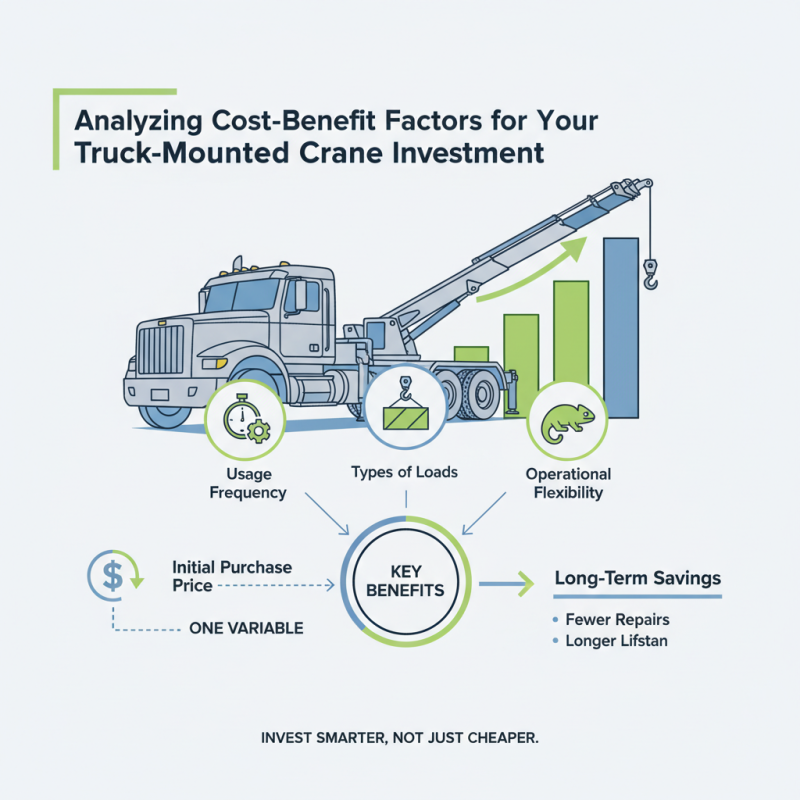
When choosing a truck-mounted crane, analyzing cost-benefit factors is crucial for your investment. The initial purchase price is only one variable to consider. Assess how often the crane will be used and the types of loads it will lift. If your business operates in various settings, flexibility becomes a key benefit. A more expensive crane might save you costs in the long run with fewer repairs and a longer lifespan.
Tips: Consider resale value. A good crane holds its worth over time. Think about the operating costs, including fuel and maintenance. Regular upkeep can affect your overall budget. If possible, consult with experts who can provide insight into long-term costs.
Operational efficiency also plays a role in cost analysis. A crane that is easy to operate can reduce training time and increase productivity. Reflect on the skills of your team and whether you need additional training resources. Remember, a suitable crane should enhance your workflow without creating unnecessary complications. Choose wisely, as this investment impacts your bottom line for years to come.