What is a Construction Crane? Understanding Types, Functions, and Uses in Modern Building Projects
In the ever-evolving landscape of modern construction, the role of the construction crane has become increasingly vital. According to the 2021 Global Construction Crane Market Report, the industry was valued at approximately $6.5 billion and is projected to grow significantly due to rising urbanization and infrastructural development worldwide. Construction cranes are key players in lifting heavy materials, enhancing project efficiency, and ensuring safety on site. As noted by industry expert Dr. Emily Thatcher, a prominent figure in construction engineering, "The construction crane is not just a tool; it's the backbone of modern building projects, enabling complex designs and faster timelines."

Different types of construction cranes—ranging from tower cranes to mobile cranes—each serve unique functions tailored to various project needs. The versatility of these cranes facilitates projects of all scales, from skyscrapers to bridges, highlighting their indispensable nature in today’s construction environment. As the demand for smarter urban infrastructures grows, so does the reliance on advanced construction cranes equipped with state-of-the-art technology. Understanding the types, functions, and practical applications of construction cranes will be crucial for professionals seeking to navigate the complexities of modern building projects effectively.
Types of Construction Cranes: An Overview of Common Varieties in the Industry
Construction cranes are essential tools in modern building projects, serving various purposes that streamline the construction process. There are several types of cranes, each designed for specific tasks and environments. Tower cranes, for instance, are commonly used in urban settings for their ability to reach high elevations and handle large loads. Their vertical design allows them to lift materials to great heights while maintaining a small footprint on the ground.
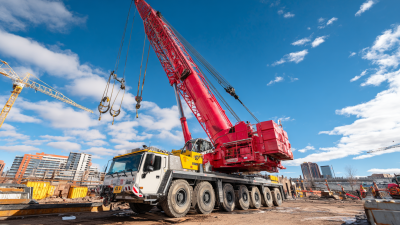
Another prevalent type is the mobile crane, which offers flexibility and mobility on construction sites. These cranes can be transported easily, allowing them to move from one job site to another swiftly. They are ideal for tasks that require quick setup and dismantling. Likewise, crawler cranes are known for their stability and are often utilized on uneven terrains due to their tracked wheels, which distribute weight evenly. Understanding these different varieties of cranes helps project managers select the most suitable equipment for their specific construction needs.
Types of Construction Cranes and Their Usage
Key Functions of Construction Cranes in Modern Building Projects
Construction cranes play a pivotal role in modern building projects, serving various functions that enhance efficiency and safety on construction sites. These towering machines are not just tools for lifting heavy materials; they are integral for facilitating complex assembly processes and managing large-scale projects. Among the different types of cranes, tower cranes are particularly notable for their ability to reach significant heights and handle cumbersome loads, making them essential for high-rise buildings and expansive developments.
In recent trends, the tower crane rental market is booming, projected to reach USD 22.1 billion by 2030. This growth highlights the demand for flexible and cost-effective solutions in construction, allowing businesses to adapt their equipment needs according to project specifications.
**Tips:** When selecting a crane for your project, consider not only the load capacity but also the height limitations and site access. Additionally, ensure that your operator is certified and experienced, as safety standards are paramount in crane operations. Investing in proper training and regular maintenance can also prolong the life of your crane and ensure smooth project execution.
Innovative Uses of Cranes in Urban Development and Infrastructure
Crane technology has evolved significantly, playing a pivotal role in urban development and infrastructure projects. Given the booming Tower Crane Rental Market, projected to reach USD 22.1 billion by 2030, it's clear that cranes are indispensable in modern construction. This demand is driven by the need for high-rise buildings and complex structures in urban centers, where the efficient lifting and moving capabilities of cranes streamline the construction process.
The Mobile Crane Market is also witnessing remarkable growth, forecasted to reach USD 36.1 billion by 2035, with a CAGR of 6.7% between 2025 and 2035. This surge reflects the increasing versatility of mobile cranes in a variety of settings, enabling rapid deployment and maneuverability in densely populated areas. As cities expand, innovative crane designs, including autonomous models, are revolutionizing how these machines operate, allowing for enhanced safety and precision.
Tips: When selecting a crane for your project, consider the type of crane that best suits your specific needs—whether it's a tower crane for height or a mobile crane for versatility. Additionally, staying updated with growth trends in the crane industry can offer crucial insights into rental options that may optimize your project's budget and efficiency. Always ensure compliance with local regulations concerning crane operation to avoid costly delays.
Safety Considerations When Operating Construction Cranes
When it comes to operating construction cranes, safety is paramount. According to the U.S. Bureau of Labor Statistics, crane-related accidents account for nearly 50 fatalities annually in the construction industry. To mitigate risks, proper safety protocols must be adhered to, including regular inspections and maintenance of equipment. The Occupational Safety and Health Administration (OSHA) has established guidelines that require crane operators to have comprehensive training, ensuring they are equipped to handle potential hazards on site.
Additionally, the safety of workers and bystanders relies heavily on effective communication and signaling practices. A study published by the National Institute for Occupational Safety and Health (NIOSH) reveals that approximately 30% of crane accidents occur due to miscommunication between operators and ground personnel. Implementing standardized hand signals and radio communication can significantly reduce these incidents. Furthermore, the use of technology, such as crane monitoring systems, enhances safety by providing real-time data on load weights and crane positioning, thus preventing overloading and tipping.
What is a Construction Crane? Understanding Types, Functions, and Uses in Modern Building Projects - Safety Considerations When Operating Construction Cranes
| Crane Type |
Function |
Common Uses |
Safety Considerations |
| Tower Crane |
Lifting heavy materials vertically |
High-rise buildings |
Regular inspection, load limit adherence |
| Mobile Crane |
Transporting loads across distances |
Construction sites, road works |
Stability checks, operator training |
| Crawler Crane |
Lifting on uneven ground |
Dam construction, heavy lifting |
Ground assessment, overload protection |
| Rough Terrain Crane |
Working in rough, outdoor environments |
Oilfields, construction sites |
Operator certification, terrain analysis |
| Self-Erecting Crane |
Automated setup and operation |
Small construction sites |
Safety features testing, training |
Future Trends in Crane Technology and Their Impact on Construction Efficiency
The future of crane technology is poised to significantly impact construction efficiency, driven by innovations and rising demand in the global construction sector. According to recent market forecasts, the global load moment indicator market is expected to be valued at $1.1 billion in 2024, with projections indicating gradual growth to $1.13 billion by 2033, reflecting a compound annual growth rate (CAGR) of 3.3%. This growth can be attributed to the increasing need for safety and accuracy on construction sites, where advanced crane systems are becoming integral to project success.

As construction projects become more complex and large-scale, the development of smarter and more autonomous cranes is becoming essential. These advanced systems not only improve the speed and efficiency of lifting operations but also enhance safety protocols through real-time data monitoring and predictive analytics. The integration of IoT technology and machine learning into crane operations enables contractors to minimize downtime, optimize performance, and reduce operational costs. As these trends continue to evolve, the role of cranes in construction is transitioning from simple lifting tools to sophisticated, integral components of modern building projects, making them indispensable for future construction endeavors.