10 Essential Tips for Choosing the Right Hoist Crane for Your Project
Choosing the right hoist crane for your project is a pivotal decision that can greatly influence operational efficiency, safety, and overall project success. As the demand for hoist cranes continues to rise—forecasted to reach a market value of $2.84 billion by 2026, according to a recent industry analysis by Markets and Markets—it's crucial to understand the key factors that determine the right fit for your specific needs. Not only does the selection process involve technical specifications, but it also requires a comprehensive understanding of the workload, operational environment, and safety standards that apply to your industry.
 John Smith, a prominent expert in the hoist crane industry, emphasizes the importance of informed decision-making when he states, "Selecting the right hoist crane is not just about lifting capacity; it’s about ensuring the longevity and safety of operations." With various types of hoist cranes available—each with unique features and capabilities—evaluating your project requirements against these options can prevent costly mistakes and enhance productivity. Thus, this guide will provide you with ten essential tips to navigate the selection process effectively, ensuring that your investment in a hoist crane meets your project demands and safety regulations.
Understanding Load Capacities: Key Specifications in Hoist Crane Selection
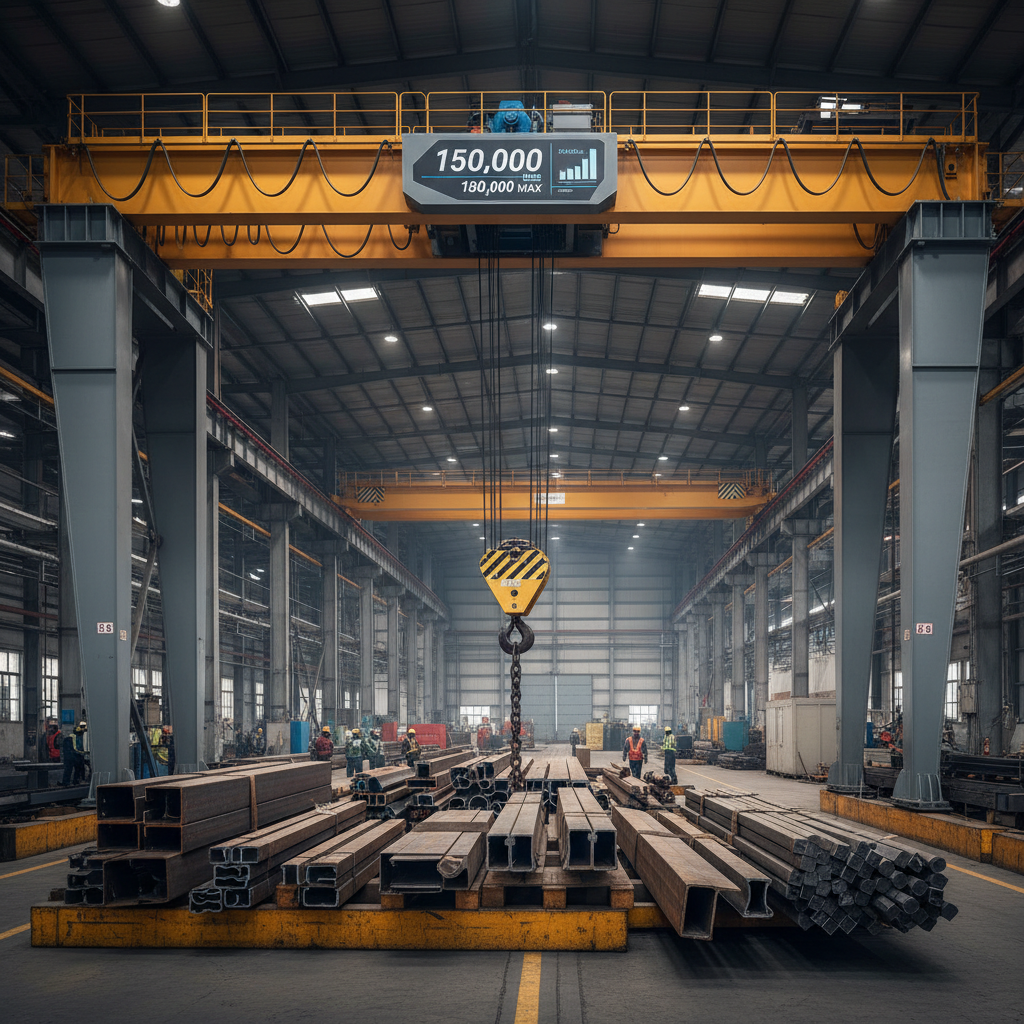
When selecting a hoist crane for your project, understanding load capacities is crucial. Load capacity refers to the maximum weight that a crane can safely lift, and this specification varies among different models. To make an informed choice, you should first evaluate the weight of the materials you intend to lift. It's essential to consider the maximum load during operation, including any dynamic forces applied when lifting or moving items. Additionally, always allow for a safety margin to prevent overloading and ensure safe operations.
Another important aspect to consider is the type of hoist crane in relation to its intended use. For example, electric hoists may offer higher lifting capacities and greater efficiency for frequent use, while manual hoists might be suitable for less intensive applications. Furthermore, understanding the lifting height and width of your workspace will help you choose a crane that fits seamlessly into your operation. By focusing on these key specifications, you can select a hoist crane that not only meets your project's requirements but also enhances overall productivity and safety.
Evaluating Lift Heights: How Project Requirements Influence Crane Choice
When selecting a hoist crane for your project, understanding the influence of lift heights on crane choice is critical. According to the Crane Safety and Operation Report (2022), approximately 40% of accidents in construction are linked to inadequate lift height planning. Therefore, it is essential to evaluate project requirements thoroughly. For instance, if your project involves lifting materials to heights exceeding 80 feet, a crane with a high reach capability, such as a tower crane or a luffing jib crane, would be necessary to ensure safety and efficiency.
In addition to height, the type of load being lifted must also be considered. The Material Handling Industry's report (2023) indicates that different cranes have varying load capacities, typically ranging from 1 ton to over 100 tons. If you're dealing with heavy loads, investing in a crane like a gantry crane or a crawler crane is advisable, as they offer greater stability and lifting power. According to industry standards, ensuring that your chosen crane not only meets but exceeds the height and load requirements of your project can significantly minimize operational risks and downtime.
Considering Crane Mobility: Fixed vs. Mobile Hoists for Project Efficiency
When selecting the ideal hoist crane for your project, understanding the mobility options is crucial for maximizing efficiency.
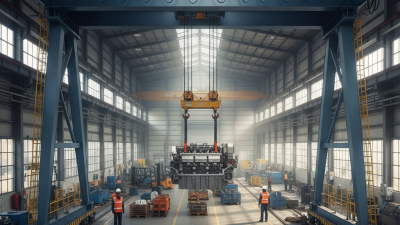
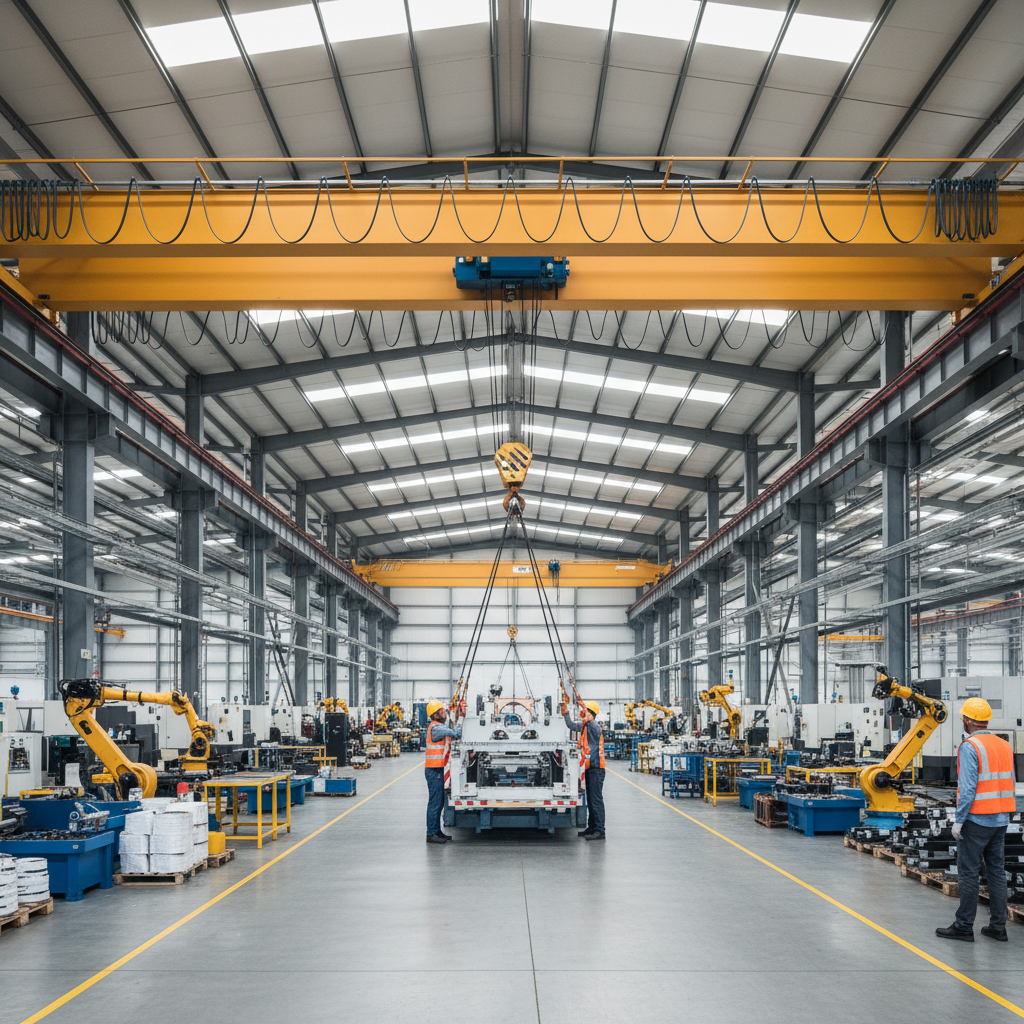
Fixed hoists are typically installed in a permanent location, providing stability and strength for heavy lifting tasks in a confined space. They excel in environments where lifting requirements are consistent and high, such as manufacturing plants or construction sites. Since they are stationary, fixed hoists can offer greater lifting capacities and enhanced safety features, making them suitable for specific, repeated tasks.
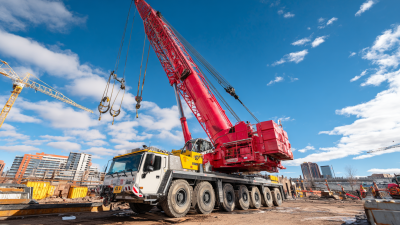
In contrast, mobile hoists provide flexibility and adaptability, ideal for projects that require transportation between various locations. These cranes are designed for quick setup and dismantling, making them perfect for construction sites or events where lifting needs change frequently.
The ability to maneuver mobile hoists allows for a more dynamic workflow and can significantly reduce downtime, as they can be easily repositioned as jobs evolve. Ultimately, the choice between fixed and mobile hoists hinges on project scope, workspace layout, and the nature of the lifting tasks involved.
Assessing Duty Cycle Ratings: Ensuring Optimal Performance for Your Operation
When selecting the right hoist crane for your project, understanding
duty cycle ratings is crucial for
ensuring optimal performance. Duty cycle refers to the operating time
a crane can handle within a specific period, often expressed as a
percentage. For instance, a crane rated for a 50%
duty cycle can operate for half the time within a given timeframe
before needing to rest. Assessing the duty cycle is fundamental,
as it directly influences the crane's capacity to handle
continuous loads and its longevity.
Furthermore, evaluating the specific requirements of your operation can help you
choose a crane with an appropriate duty cycle rating. Consider the frequency
and duration of lifting tasks your project demands. If your operations involve
frequent use with limited downtime, opting for a crane with a higher duty cycle rating is
advisable. This will not only enhance efficiency but also reduce
wear and tear, thus minimizing maintenance costs over time.
Prioritizing duty cycle ratings ensures that the hoist crane you select
will adequately meet the demands of your project while maintaining
reliable performance.
Budgeting for Hoist Cranes: Cost Factors vs. Long-Term Investment Values
When selecting a hoist crane for your project, understanding the financial implications is crucial. Budgeting isn’t merely about the initial costs; it also entails recognizing the long-term investment value. While a lower-cost option may seem appealing at first, it can result in higher maintenance expenses and operational inefficiencies over time.
When evaluating the cost factors, consider the crane’s capacity, durability, and the technology incorporated. Investing in a high-quality crane can minimize downtime and enhance productivity, ultimately saving money in the long run.
Moreover, it’s essential to assess the total cost of ownership, which includes not only purchase price but also installation, maintenance, and operational costs. An upfront investment in a reliable hoist crane can lead to significant savings by reducing the frequency of repairs and the need for replacements.
Additionally, factor in your specific project requirements, as specialized cranes might offer enhanced performance that aligns with your operational goals. Balancing immediate budget constraints with a strategic long-term perspective creates a more effective purchasing decision for any construction or industrial project.