Top 10 Essential Tips for Choosing the Best US Crane Services
Choosing the right crane services in the US is a critical decision that can significantly impact the success of construction and industrial projects. With the crane rental market expected to reach approximately $20 billion by 2025, understanding the essential factors when selecting a crane service provider is more important than ever. As construction demands increase across the country, ensuring that you partner with a reliable and proficient US crane service can help streamline operations, enhance safety, and improve overall efficiency on-site.
In a sector marked by rapid technological advancements and varying regulatory standards, it is vital to consider numerous factors, from certifications and safety records to equipment availability and specialized services. According to the American Crane & Manufacturers Association, cranes contribute to nearly 70% of the heavy lifting tasks in construction projects, underscoring the need for trustworthy US crane services. Selecting a qualified service provider can minimize downtime, reduce risks, and lead to cost-effective project completion. In this context, our exploration of the top 10 essential tips serves as a guide for making informed decisions when choosing the best crane services in the US.

Understanding Different Types of Cranes Used in US Crane Services
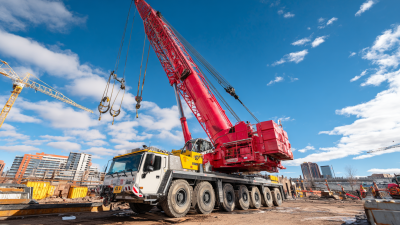
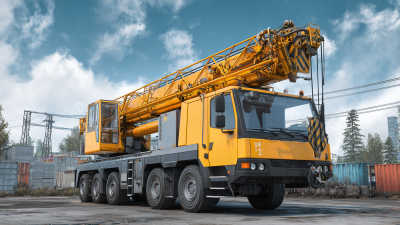
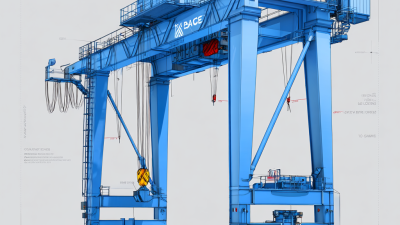
When selecting crane services in the US, it's crucial to understand the different types of cranes available and their specific uses. Among the most common types are mobile cranes, which are versatile and can be easily transported to various job sites. These cranes often come equipped with telescopic booms and have the capability to lift heavy loads in tight spaces, making them ideal for construction projects and maintenance tasks within urban environments.
Another essential type is the tower crane, commonly seen at high-rise construction sites. Tower cranes are fixed to the ground and provide exceptional height and lifting capabilities, allowing them to manage large volumes of materials. Their ability to rotate 360 degrees grants them a significant range of movement, which is essential for multi-story building projects. Additionally, for more specialized needs, there are rough terrain cranes and crawler cranes that cater to off-road and rugged environments, providing stability and strength where traditional cranes might struggle. Understanding these types of cranes helps in making informed decisions about which crane services fit your project’s specific requirements.
Top 10 Essential Tips for Choosing the Best US Crane Services
This chart illustrates the variety of crane services available in the U.S. across different types of cranes. Understanding these options can help you make an informed decision when choosing crane services for your project.
Evaluating Safety Standards and Compliance in Crane Operations
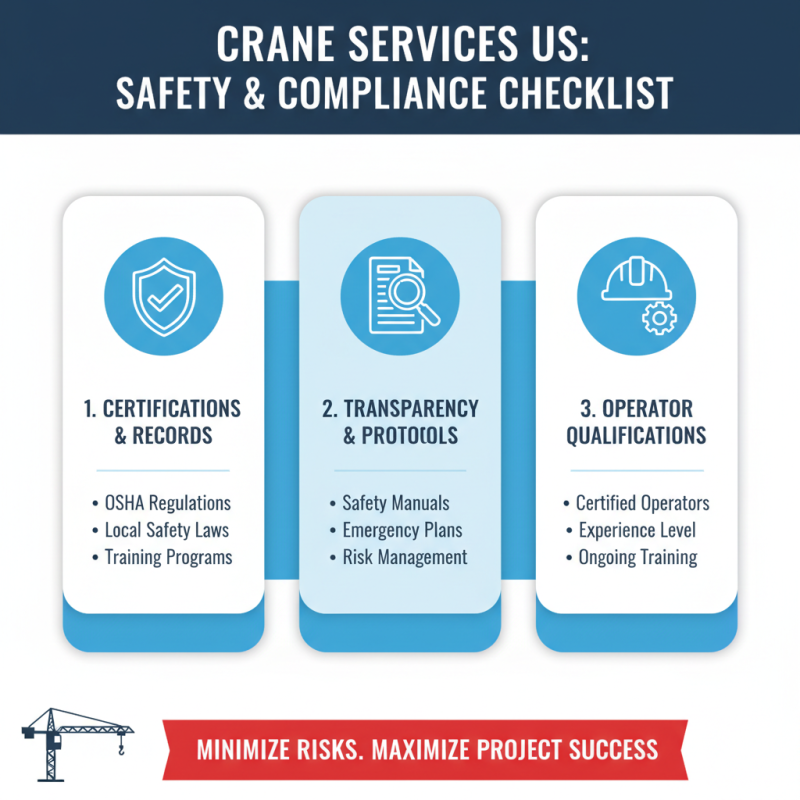
When selecting crane services in the U.S., prioritizing safety standards and compliance is crucial. Evaluating a company’s adherence to industry regulations can significantly impact the success of your project. Begin by reviewing the certifications and safety records of potential service providers. Check for compliance with OSHA regulations and any local safety laws applicable to crane operations. A reliable company should be transparent about its safety protocols and training programs for operators, demonstrating a commitment to minimizing risks on site.
Another essential tip is to inquire about the company’s maintenance practices and inspection routines for their equipment. Regular maintenance and thorough inspections ensure that cranes operate safely and efficiently. Ask for documentation or proof of their maintenance schedule and any relevant inspection certifications. Additionally, consider the company's experience with the specific type of crane operations you require, as specialized knowledge can further enhance safety and compliance efforts.
Lastly, engage with customer testimonials or case studies that reflect the safety performance of the crane service. Feedback from previous clients can provide insights into how effectively the company prioritizes safety on their projects. Selecting a crane service that not only meets but exceeds industry safety standards is key to a successful and secure operation.
Assessing the Reputation and Experience of Crane Service Providers
When selecting a crane service provider, assessing their reputation and experience is paramount. Start by researching the company's history in the industry and their track record with previous projects. Look for testimonials, case studies, and client reviews that highlight their strengths and reliability. A reputable crane service will often have a portfolio showcasing diverse projects, demonstrating adaptability and proficiency across various industries. This can help you gauge their capacity to handle your specific needs.
In addition to reputation, evaluate the experience of the service provider. Consider how long they have been in business and the qualifications of their operators and technicians. Companies with extensive experience are likely to have encountered a range of challenges and developed effective solutions. Furthermore, familiarize yourself with any safety certifications and training programs their staff undergo. This not only reflects their commitment to maintaining high standards but also ensures that your project will be executed safely and efficiently. Always prioritize providers with a strong emphasis on safety practices and a proven history of successful operations.
Reviewing Insurance Coverage and Liability Considerations in Crane Services
When selecting crane services in the U.S., reviewing insurance coverage and liability considerations is crucial. A reputable crane service provider should carry comprehensive general liability insurance to protect against potential accidents that could occur on the job site. This includes coverage for property damage, personal injury, and any claims that may arise during the project. Clients should request proof of this insurance and verify that the policy is up-to-date, as insufficient coverage can lead to significant financial liabilities if an incident occurs.
In addition to general liability insurance, it's essential to consider workers' compensation coverage. This protects both the crane operators and the client in the event of an injury on the job. Companies without this coverage may not only expose themselves to legal risks but also put their clients at financial risk if an accident results in an injury or damages. Ensuring that the crane service provider complies with safety regulations and maintains adequate insurance will provide peace of mind and help ensure a successful project outcome. Always take time to review these aspects thoroughly before making a decision, as they are fundamental to safeguarding both personnel and assets.
Analyzing Cost Factors and Pricing Models for Crane Rental Services
When selecting the best crane services in the US, understanding the cost factors and pricing models is crucial for making an informed decision. Crane rental services typically charge based on various elements such as the type of crane required, the duration of the rental, and the complexity of the job. Additionally, geographical location can significantly influence pricing, as some areas may have higher demand and associated costs. It’s essential to gather quotes from multiple providers to get a clearer picture of what the market rates are and how they align with your budget.
One important tip is to inquire about any additional fees that may be associated with the rental. Beyond the base rate, services may charge for transportation, setup, and even operator costs. Understanding these components can help avoid unexpected expenses. Another key aspect is to clearly communicate the details of your project to the crane service provider. This allows them to recommend the most appropriate equipment and give an accurate estimate that reflects all necessary factors.
Finally, consider the provider’s experience and reputation in the industry. While cost is a major factor, ensuring that you are working with a reliable company can save you time and money in the long run. A reputable provider will offer transparent pricing and a comprehensive breakdown of costs, which can help you better assess the overall value of their services.
Top 10 Essential Tips for Choosing the Best US Crane Services - Analyzing Cost Factors and Pricing Models for Crane Rental Services
| Tip Number |
Tip Title |
Cost Considerations |
Pricing Models |
| 1 |
Evaluate Crane Types |
Different cranes carry varying rental costs |
Hourly or daily rates based on crane type |
| 2 |
Consider Project Duration |
Longer projects may qualify for discounts |
Cost structures may vary for long-term vs short-term |
| 3 |
Check for Certifications |
Proper certification can influence pricing |
Pricing reflects quality and safety standards |
| 4 |
Assess Location Logistics |
Transport costs may vary by location |
Delivery charges based on distance |
| 5 |
Review Company Reputation |
Experienced companies may charge higher rates |
Premium charged for proven reliability |
| 6 |
Inspect Equipment Condition |
Newer equipment typically incurs higher fees |
Rate variations based on equipment age |
| 7 |
Look for Package Deals |
Bundled services may reduce overall costs |
Package pricing compared to individual rates |
| 8 |
Negotiate Terms |
Companies may offer discounts for upfront payments |
Flexible pricing based on negotiation |
| 9 |
Understand Insurance Options |
Insurance coverage affects overall rental prices |
Rates may include insurance fees |
| 10 |
Plan for Operator Wages |
Qualified operators may come at a premium |
Hourly wages can affect the total cost |