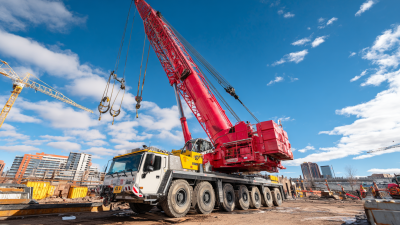
The Fascinating Evolution of Tower Cranes Revolutionizing Construction Technology
The evolution of tower cranes has significantly transformed the landscape of construction technology, making them indispensable tools in modern building practices. These remarkable machines, with their towering structures and impressive lifting capabilities, have redefined how we approach large-scale construction projects. As skyscrapers and expansive infrastructures reach new heights, the role of tower cranes becomes increasingly crucial, allowing builders to achieve greater efficiency and precision.
Historically, the development of tower cranes can be traced back to their humble beginnings, where simple mechanisms laid the groundwork for the sophisticated machinery we see today. Innovations in design and engineering have propelled tower cranes into a new era, characterized by enhanced safety features, increased lifting capacities, and advanced automation. This progression has not only streamlined construction processes but has also reduced labor costs and timelines, making projects more feasible and less resource-intensive.
As we delve into the fascinating journey of tower cranes, we will explore how these engineering marvels continue to revolutionize the construction industry, pushing the boundaries of what is possible and reshaping our urban environments. Their ability to adapt to the demands of modern architecture speaks to the inexorable drive for innovation that defines today's construction technology landscape.
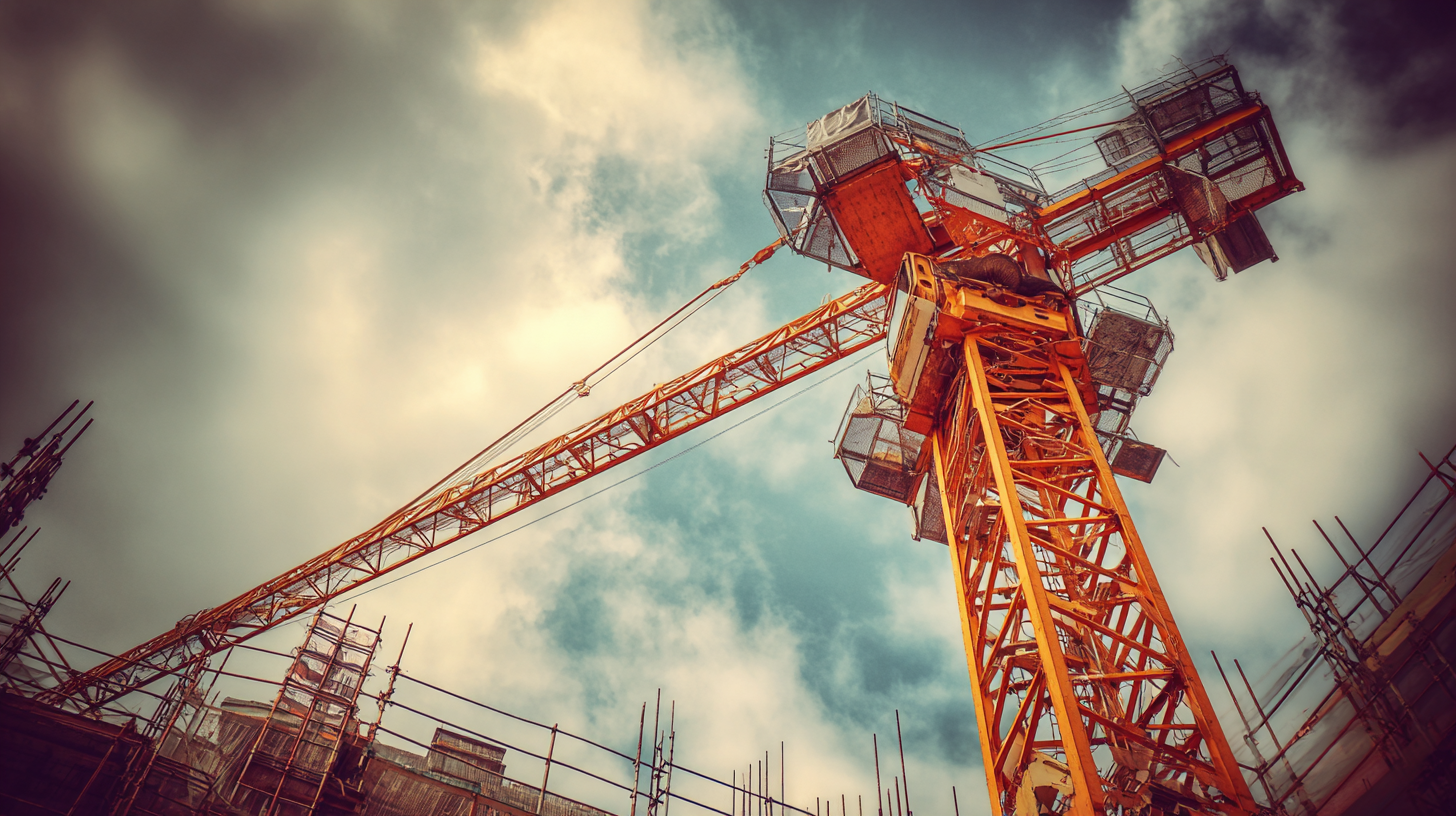
The Historical Journey of Tower Cranes: From Ancient Times to Modern Construction
The historical journey of tower cranes showcases their remarkable evolution from rudimentary lifting devices in ancient times to the sophisticated machinery we see on modern construction sites. Early forms of cranes first appeared in Greek civilization around 400 BC, where they employed simple pulleys and levers to aid in the construction of monumental structures like temples. According to a report by the International Journal of Construction Management, the ancient Roman architect Vitruvius also emphasized the importance of cranes in advancing architectural feats, demonstrating their critical role in shaping urban landscapes.
Fast forward to the 20th century, the introduction of electric tower cranes revolutionized the construction industry, significantly enhancing productivity and safety. A recent industry analysis by ResearchAndMarkets indicates that the global tower crane market is projected to grow at a CAGR of 4.5% from 2021 to 2026, driven by increasing urbanization and infrastructure development. Modern tower cranes, equipped with sophisticated technology such as load moment indicators and advanced control systems, have become essential in managing complex construction projects, often reaching heights of over 200 meters. This evolution not only underscores the significance of tower cranes in contemporary construction but also highlights their pivotal role in transforming the efficiency and safety standards of the industry.
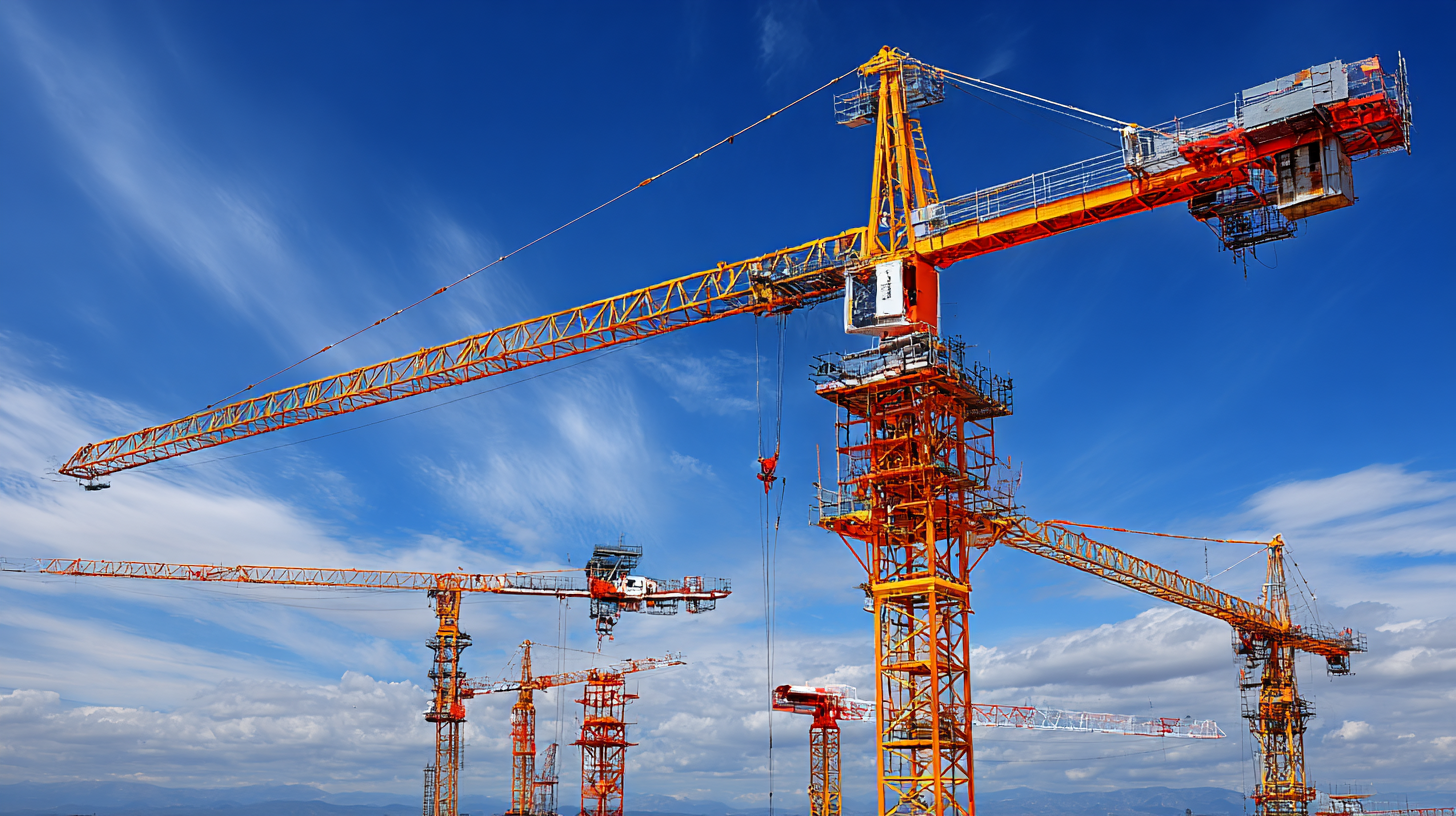
Key Innovations in Tower Crane Design and Technology Over the Decades
The evolution of tower cranes has seen significant advancements in design and technology over the decades, making them essential tools in modern construction. While the fundamental design elements have remained stable, the incorporation of smart technologies and innovative materials has dramatically improved their efficiency and versatility. Newer models are not only capable of lifting heavier loads but also integrate advanced safety features and automation, reducing the risk of accidents on-site.
Tips: Regular maintenance of tower cranes is crucial for ensuring their longevity and performance. Schedule periodic inspections and keep records of repairs to avoid costly downtimes and enhance operational safety. Additionally, training for operators on the latest technologies can maximize crane efficiency and minimize human error.
As urbanization continues, the demand for tower cranes is projected to soar. The global market is set to leverage innovations in smart technology and infrastructure development, driving growth in this sector. By embracing these advancements, construction companies can tackle ambitious projects while maintaining high safety and efficiency standards.
How Tower Cranes Enhance Safety and Efficiency on Construction Sites
Tower cranes have become essential in enhancing safety and efficiency across construction sites, particularly amid the growing demands of urbanization and high-rise projects. As the construction industry evolves, the integration of smart technology has significantly improved operational safety for workers. Innovations such as AI cranes are reshaping traditional roles by automating the more hazardous tasks that required operators to work at high altitudes, thereby minimizing risk and keeping them safely grounded.
Furthermore, advancements in crane design, such as new models emphasizing control and safety features, are directly influencing operational efficiency. Studies indicate that enhancing the working conditions and incentives for tower crane operators can lead to improved productivity, showcasing the vital role these machines play in facilitating smooth construction processes. With the tower crane market projected to grow substantially over the next decade, the focus on safety and efficiency remains paramount as construction companies seek to adapt to the fast-paced demands of modern infrastructure development.
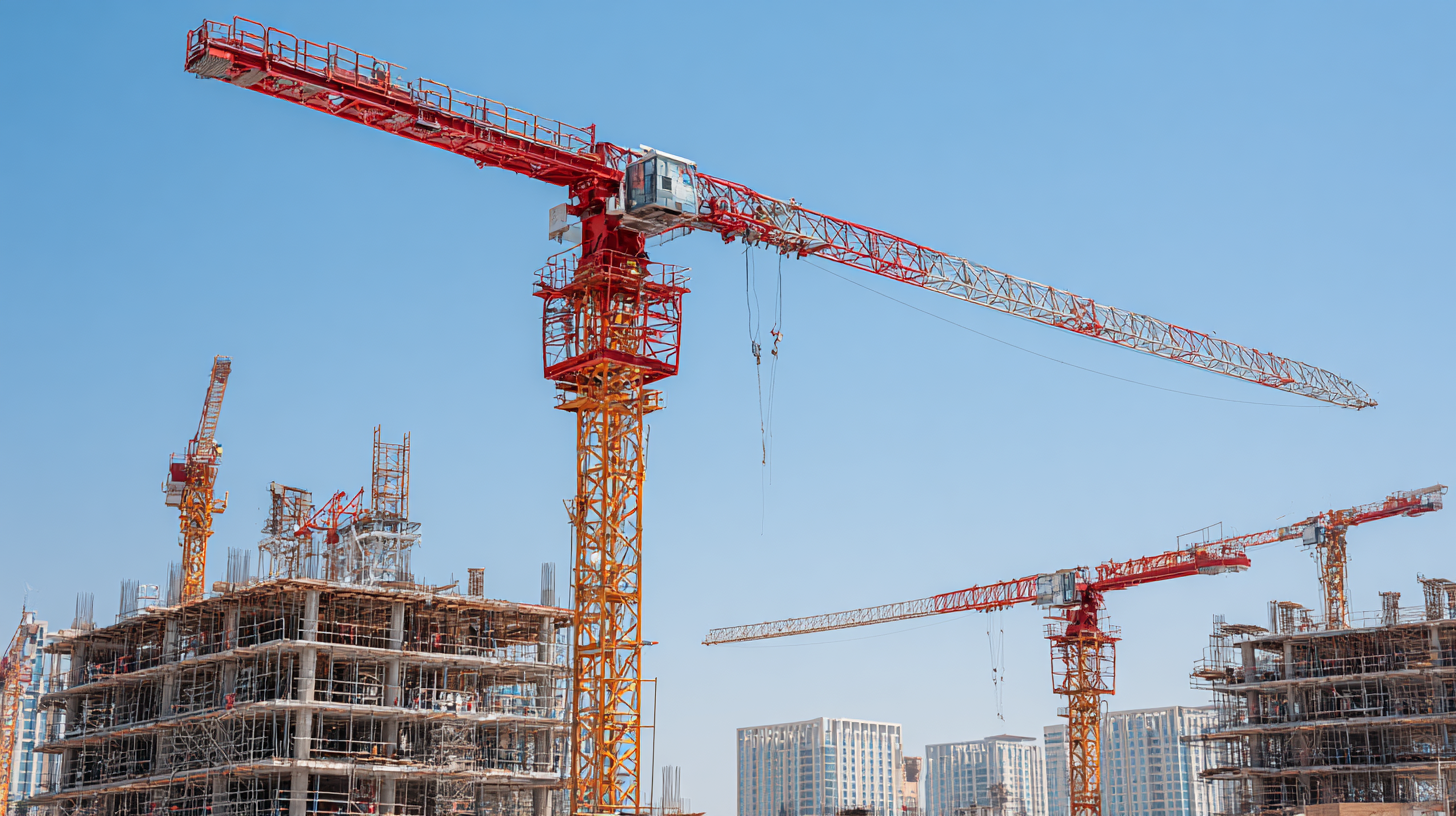
The Role of Automation and Smart Technology in Contemporary Tower Cranes
The contemporary landscape of construction technology has experienced a seismic shift, primarily due to the integration of automation and smart technology in tower cranes. These cranes have evolved from simple mechanical structures to sophisticated machines equipped with advanced sensors, IoT connectivity, and predictive analytics. According to a report by Research and Markets, the global smart crane market is projected to reach $3.2 billion by 2025, driven by increasing safety standards and efficiency demands in the construction sector.
Automated tower cranes enhance operational efficiency by minimizing human intervention and reducing the likelihood of errors. Features such as real-time data monitoring allow operators to optimize load management and site logistics. For instance, smart cranes can communicate with other machines on-site, coordinating movements to streamline workflows. A study from the International Journal of Construction Management highlights a 25% increase in productivity and a significant decrease in downtime when using automated systems.
**Tips:**
1. Invest in training for your operators to ensure they are proficient in using smart technology, which can lead to fuller utilization of these advanced cranes.
2. Regularly update your equipment to incorporate the latest technological advancements that improve safety and efficiency, as the construction industry is rapidly evolving.
The Rise of Automation in Tower Cranes: A Statistical Overview
Future Trends: What Lies Ahead for Tower Crane Development and Construction Techniques
The future of tower cranes is poised for significant advancements as the construction industry embraces cutting-edge technologies. A recent report by Global Market Insights predicts that the tower crane market is expected to reach a valuation of approximately $3.5 billion by 2027, with a compound annual growth rate (CAGR) of over 4.8%. This growth is driven by increasing urbanization and the rising demand for high-rise buildings, which represents a shift in construction techniques towards more efficient and technologically advanced systems.
Moreover, the integration of IoT (Internet of Things) and AI (Artificial Intelligence) into tower crane operations is set to revolutionize construction projects. It allows for enhanced monitoring, predictive maintenance, and improved safety measures. According to a report from McKinsey & Company, implementing digital technologies on construction sites could increase productivity by 15-30%. As companies adopt automated systems, we can expect to see cranes equipped with sensors that provide real-time data analytics, leading to optimized performance and reduced downtime. The evolution of tower cranes reflects a broader trend in the industry, where innovation not only enhances productivity but also plays a pivotal role in meeting the growing demands of modern infrastructure.
The Fascinating Evolution of Tower Cranes Revolutionizing Construction Technology
| Year |
Technology |
Innovations |
Impact on Construction |
Future Trends |
| 1970s |
Hydraulic Lifting |
Introduction of hydraulic systems to increase lifting capacity. |
Improved lifting efficiency and reduced manpower. |
Increased automation and smart technology integration. |
| 1990s |
Computerized Controls |
Enhanced precision through computer-aided control systems. |
Higher accuracy in placement and reduced material waste. |
Integration of AI for predictive maintenance. |
| 2000s |
Modular Design |
Use of modular components for quicker assembly and disassembly. |
Reduced setup time on site. |
Sustainability through eco-friendly materials. |
| 2010s |
Telematics |
Real-time data gathering for monitoring performance. |
Enhances safety measures and operational efficiency. |
Greater use of data analytics to drive decisions. |
| 2020s and Beyond |
Autonomous Cranes |
Development of fully automated cranes. |
Minimized human error and increased productivity. |
Adoption of augmented reality for enhanced site management. |