China Best Truck Crane Supplier How to Choose?

China Best Truck Crane Supplier How to Choose?

Choosing the best truck crane supplier in China requires more than comparing prices and lifting capacities. A reliable decision begins with the jobsite, not the sales brochure. Consider the required lifting load, working radius, boom length, road conditions, terrain, and transport frequency. A crane lifting steel beams beside a narrow urban road needs different support from one moving materials across a large construction site.

Dr. David Duerr, a recognized crane safety author and engineer, offers a practical principle: “Selection must begin with the lift, not the machine.” This advice deserves attention. A capable supplier should ask for load charts, working drawings, site photographs, and operating conditions. They should explain whether the proposed truck crane can maintain stability at its maximum radius. They should also discuss outrigger placement, hydraulic-system performance, operator visibility, emergency controls, and routine inspection access.

Experience matters here. Ask for factory records, component brands, welding standards, testing procedures, and export references. Request a real load test report, not only attractive product images. A serious manufacturer will clarify warranty coverage, spare-parts availability, training, and response times. That conversation may reveal more than a low quotation.

Do not ignore small doubts. A cheap truck crane may later bring expensive downtime, difficult maintenance, or unsafe operating pressure. Yet the largest crane is not automatically the best choice. I have seen specifications appear impressive while the service plan remained vague. Supplier selection should therefore balance engineering evidence, field support, compliance documentation, and total ownership cost. The final choice should feel practical, traceable, and slightly conservative.

China Best Truck Crane Supplier How to Choose?

What Is a Truck Crane and What Makes a Supplier the Best?

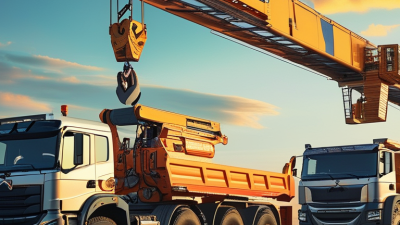
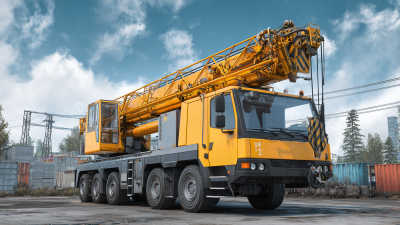
A truck crane combines a road-going truck with a hydraulic lifting system. Its boom, winch, outriggers, and load chart work together on construction sites, farms, and maintenance projects. Unlike a fixed crane, it can travel between locations without separate transport equipment. That mobility saves time, but it also creates safety and maintenance demands.

The best supplier understands the complete machine, not only its lifting capacity. During a site inspection, check the chassis condition, weld quality, hydraulic hoses, control response, and outrigger stability. Ask for clear load charts at different boom angles and working radii. A professional supplier should explain these figures in practical language. They should also provide operator training, inspection guidance, spare-part support, and documented quality checks. Good answers matter.

Look closer.

A reliable supplier welcomes factory visits, functional testing, and independent inspection before delivery. Their engineers should discuss road conditions, climate, cargo type, and daily lifting frequency. A crane designed for occasional light work may struggle under repeated heavy cycles. That difference is easy to miss in a polished brochure. In my experience, after-sales response often separates a dependable supplier from an attractive seller. Still, no supplier gets every detail right. Buyers should question unclear promises and compare real test records, warranty terms, service distance, and response times before making a decision.

Which Truck Crane Specifications Match Your Lifting Requirements?

China Best Truck Crane Supplier How to Choose?

Which Truck Crane Specifications Match Your Lifting Requirements?

Start with the load chart, not the advertised maximum capacity. According to the U.S. Bureau of Labor Statistics’ 2023 Census of Fatal Occupational Injuries, construction recorded 1,075 fatal work injuries. A small specification error can become a serious site problem. Record the load weight, lifting radius, working height, and ground condition. Then select rated capacity with a practical safety margin, rather than operating near the limit.

Check the boom length and hydraulic reach. A 20-ton truck crane may lift 20 tons only at a short radius. At an extended radius, its capacity can drop sharply. The European Rental Association’s 2024 market report highlights the importance of equipment utilization and fleet efficiency. This supports choosing a crane that fits frequent tasks, not occasional maximum lifts. Ask for the complete load chart, outrigger requirements, axle loads, and transport dimensions.

Site details matter. Narrow streets may require a compact chassis. Soft ground may need larger outrigger pads or temporary mats. Wind exposure also affects long, suspended loads. I have seen projects focus on lifting capacity while overlooking setup space. That mistake is common. It deserves a second review. Confirm inspection records, operator visibility, emergency controls, and maintenance access before comparing supplier prices. A reliable specification matches the real lift, the real road, and the real working surface.

How to Evaluate a Truck Crane Supplier’s Quality and Experience

China Best Truck Crane Supplier: How to Choose?

Evaluating a truck crane supplier starts with practical experience, not attractive brochures. Ask how many years they have designed and assembled truck-mounted cranes. Request project records for similar lifting capacities, road conditions, and working environments. A reliable supplier should explain boom structure, hydraulic circuits, rated load charts, and stability limits clearly. Vague answers deserve caution.

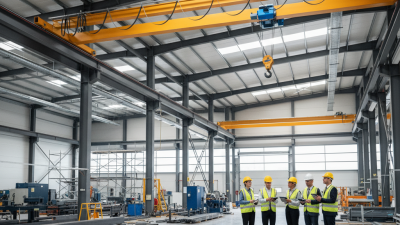
Inspect the manufacturing process when possible. Look for controlled welding, clean hydraulic connections, accurate component fitting, and documented quality checks. Ask for material certificates, load-test reports, inspection records, and product traceability. These documents show whether quality is repeatable. They also reveal how the supplier handles problems. Small details matter.

Visit a working customer site if permission is available. Watch the crane start, slew, extend, and stop under realistic conditions. Listen for abnormal hydraulic noise. Check the operator’s feedback about maintenance and spare parts. A capable supplier should provide training, manuals, warranty terms, and responsive technical support. Experience appears after delivery.

Do not judge reliability from one factory tour. A polished presentation can hide weak service discipline. Compare several suppliers using the same technical checklist. Check communication speed, engineering changes, delivery records, and after-sales response times. No supplier gets everything perfect. I would still ask what failed in previous projects and how the team corrected it. Honest answers often show more professional maturity than confident promises.

What Certifications, Safety Features, and Services Should You Check?

China Best Truck Crane Supplier: How to Choose?

Choosing a reliable truck crane supplier starts with evidence, not polished photographs. Ask for ISO 9001 quality certification and ISO 45001 occupational safety certification. ISO 14001 is valuable when environmental controls matter. For crane design, check compliance with EN 13000 or applicable national standards. Request original certificates, scope details, and validity dates. A certificate alone is not proof of field reliability.

Safety equipment deserves closer attention. Confirm the crane includes a load moment limiter, overload protection, emergency stop, and anti-two-block device. Outrigger interlocks and clear alarm systems can prevent dangerous operating errors. Ask for load charts that match the actual boom, counterweight, and working radius. The International Labour Organization reported nearly three million work-related deaths annually in 2023. Small safety omissions are not small in practice.

Service quality often reveals the supplier’s real experience. Request factory acceptance testing, independent inspection records, spare-parts availability, and operator training materials. Check response times for technical faults and ask whether manuals include hydraulic diagrams. Insist on traceable maintenance records. HSE guidance under LOLER emphasizes competent planning, examination, and safe lifting operations. This point is sometimes overlooked. I would also speak with two existing users, because a perfect quotation cannot show winter breakdowns, delayed parts, or unclear instructions.

China Best Truck Crane Supplier How to Choose? - What Certifications, Safety Features, and Services Should You Check?

Evaluation Dimension What to Check Recommended Evidence or Data Practical Acceptance Benchmark Why It Matters
Product Compliance Confirm which regulations and standards apply in the destination market and to the selected crane configuration. A written compliance matrix identifying applicable laws, standards, product scope, and responsible parties. The documents should match the exact model, lifting capacity, chassis, configuration, and destination market. A certificate for a different model or market may not prove legal or technical compliance.
Quality Management Check whether the supplier operates a documented quality management system. A valid ISO 9001 certificate showing the issuing body, certificate scope, site address, validity period, and audit status. Verify the certificate directly through the certification body or its official certificate database; confirm that manufacturing is within the stated scope. ISO 9001 evaluates the management system, not the lifting capacity or safety performance of a particular crane.
Occupational Safety Review the supplier’s processes for controlling manufacturing and workplace risks. A valid ISO 45001 certificate, safety procedures, training records, and accident-prevention controls. Certificate scope should cover the actual production site or relevant operations and remain valid at the time of purchase. A formal safety management system can reduce process risks, but it does not replace product safety testing.
Environmental Management Assess controls for waste, oils, emissions, energy use, and environmental compliance. A valid ISO 14001 certificate and documented procedures for hydraulic oil, batteries, paint, packaging, and waste disposal. The supplier can identify controlled materials and provide compliant handling instructions for the destination country. Environmental controls support regulatory compliance and safer long-term maintenance.
Applicable Product Standards Determine whether the design and testing follow a recognized truck-crane standard, such as EN 13000, ASME B30.5, or the applicable national standard. A standard declaration, design calculation, test report, inspection record, and clause-by-clause compliance statement. The stated standard must be appropriate for the crane type and destination market; standards should not be presented as interchangeable certifications. Different markets use different legal frameworks and technical standards.
Market Certification Check whether a market-specific conformity assessment is required before import or operation. For applicable markets, review the declaration of conformity, technical file, risk assessment, user manual, labels, and required third-party certificates. The conformity documents must identify the exact equipment, applicable legislation, authorized signatory, and assessment route. CE, UKCA, or other markings may be legally relevant only when the relevant market rules apply and the technical file supports them.
Rated Capacity and Load Chart Compare rated lifting capacity, maximum load moment, boom length, working radius, outrigger position, and counterweight configuration. A complete load chart covering all boom sections, radii, lifting modes, outrigger conditions, and applicable limitations. The load chart must be readable from the operator’s position and agree with the crane control system and test records. Truck-crane capacity changes significantly with radius, boom length, support condition, and configuration.
Load Moment Limiter Confirm the crane has a functional load moment or rated-capacity limiting system suitable for its configuration. Functional test record, calibration certificate, sensor list, alarm description, and explanation of warning and cut-off functions. The system should display load, radius, boom information, capacity status, and alarms; calibration intervals must be defined. It helps warn the operator before an overload or unsafe load-moment condition develops.
Stability and Outriggers Inspect outrigger beams, hydraulic cylinders, locks, floats, level indicators, and chassis integration. Stability calculations, outrigger load data, hydraulic pressure test results, weld inspection records, and operating instructions. The crane should clearly state full, partial, and stowed-outrigger capacities where applicable. Insufficient support or incorrect outrigger deployment is a major cause of crane instability.
Emergency and Protective Devices Check emergency stop controls, upper and lower limit protection, anti-two-block protection, overload alarms, hydraulic relief valves, and hose-burst protection where required. A safety-device checklist, wiring or hydraulic diagrams, inspection records, and demonstration during factory acceptance testing. Each device should have a defined test method, visible status indication, and maintenance procedure. Protective devices reduce the consequences of control errors, overloads, limit travel, or component failures.
Structural and Weld Quality Review boom, turntable, pedestal, chassis frame, and outrigger weld quality. Material certificates, welding procedure qualification, welder qualification, dimensional inspection, and non-destructive testing records where specified. Traceability should link critical materials and inspection results to the crane serial number. Traceable structural controls help identify defects and support future inspection or repair decisions.
Factory Acceptance Testing Require inspection and operational testing before shipment. Signed FAT protocol covering no-load operation, rated-load testing where permitted, controls, alarms, leakage, noise, dimensions, and documentation. Acceptance criteria, test loads, measuring instruments, deviations, and corrective actions should be recorded. FAT identifies manufacturing or configuration problems before delivery to the job site.
Documentation Package Confirm that operating, maintenance, safety, and compliance documents are complete and language-appropriate. User manual, parts list, hydraulic and electrical diagrams, load charts, lubrication schedule, inspection forms, warranty terms, and certificates. Documents should identify the model and serial number and be supplied before commissioning or handover. Correct documentation is essential for safe operation, maintenance, inspections, and operator training.
Spare Parts and Maintenance Evaluate availability of critical wear and safety-related parts. Recommended spare-parts list, part numbers, lead times, storage requirements, service intervals, and warranty replacement process. The supplier should provide a clear parts-identification system and written response times for technical inquiries. Long delays for sensors, seals, hoses, or control components can increase downtime and safety risks.
Training and After-Sales Support Check whether the supplier supports commissioning, operator training, troubleshooting, and periodic inspections. Training agenda, commissioning checklist, remote-support process, service contacts, escalation procedure, and inspection guidance. Responsibilities, service availability, travel costs, response targets, and warranty exclusions should be written into the contract. Clear support arrangements help maintain safe operation throughout the crane’s working life.
Supplier Due Diligence Assess manufacturing capability, traceability, export experience, financial reliability, and reference projects without relying only on marketing claims. Factory audit report, production capacity, inspection equipment list, anonymized delivery records, customer references, and contract history. The supplier should permit document verification, pre-shipment inspection, and contractually defined quality remedies. Supplier capability and transparency are as important as the advertised lifting capacity.
Selection Note: Certification names and technical requirements vary by destination country, crane configuration, and intended use. Verify every certificate’s validity, scope, issuing body, and connection to the exact truck crane before signing the purchase contract.

How to Compare Prices, Warranty Terms, and After-Sales Support

When choosing a truck crane supplier, compare the complete ownership cost, not only the purchase price. A cheaper quotation may exclude transport, commissioning, operator training, or critical spare parts. KPMG’s Global Construction Survey has reported that only about one-third of construction projects meet original cost and schedule targets. This makes transparent pricing essential. Ask for an itemized quotation covering the crane, lifting accessories, inspection fees, delivery, and taxes. Compare hydraulic system quality, rated capacity, fuel use, and maintenance intervals under the same working conditions.

Warranty terms deserve careful reading. Check whether coverage lasts by months, operating hours, or both. Confirm which parts are included, such as the pump, valve block, slewing motor, chassis, and control system. A long warranty is weak if labor, travel, or diagnostic costs are excluded. The International Organization for Standardization emphasizes documented quality and risk controls through standards such as ISO 9001 and ISO 45001. Request test records, load charts, service procedures, and traceable component information. A missing document can signal future trouble.

Tips: Ask for three comparable quotations. Require a written response-time promise. Check local parts availability. Speak with two recent users, if possible. Also, question your own assumptions. The highest lifting capacity may be unnecessary, while a stronger service network could matter more. According to the 2024 Deloitte Engineering and Construction Industry Outlook, digital tools and operational efficiency remain major industry priorities, so request remote diagnostics when practical. It is not perfect, but it can reduce waiting time.