Maximizing Efficiency: How Grove Cranes Are Shaping the Future of Construction with 20% Increased Productivity
The construction industry is constantly evolving, with a growing emphasis on efficiency and productivity. Recent studies indicate that incorporating advanced machinery can lead to significant improvements in operational performance.
For instance, research from the Global Construction Perspectives highlights that the adoption of innovative technologies can boost productivity by up to 20%.
In this context, Grove cranes are emerging as pivotal tools that not only enhance lifting capabilities but also streamline workflows across a variety of construction projects.
By leveraging state-of-the-art engineering and automation, Grove cranes are helping contractors reduce downtime and optimize resources, ultimately shaping the future of construction.
As industry professionals seek to navigate the challenges of rising labor costs and project delays, the integration of Grove cranes offers a compelling solution to maximize efficiency and foster sustainable growth.

The Benefits of Grove Cranes in Modern Construction Projects
The construction industry is evolving rapidly, and at the forefront of this transformation are Grove Cranes, which have demonstrated a remarkable ability to enhance productivity on job sites. Recent studies from the National Institute of Standards and Technology highlight that the integration of advanced machinery like Grove Cranes has led to a productivity increase of up to 20%. This leap not only accelerates project completion timelines but also reduces labor costs, making them an invaluable asset for modern construction projects.
Grove Cranes are designed with cutting-edge technology that maximizes lift capacity while maintaining stability and safety. Their ability to maneuver in tight spaces allows for a more efficient workflow, which is critical in urban environments where space is often limited. According to industry reports, projects utilizing Grove Cranes experience significantly fewer delays due to equipment failure, further emphasizing their reliability and efficacy in challenging conditions.
**Tips:** When selecting a crane for your construction project, consider the specific requirements of your site, including weight capacities and operational space. Additionally, investing in operator training can further enhance the efficiency and safety of your equipment, ensuring that your team maximizes the benefits of these advanced cranes. Always keep maintenance schedules in mind to prevent unexpected downtime.

Innovative Features of Grove Cranes That Enhance Productivity
Grove cranes are revolutionizing the construction industry with their innovative features, leading to a remarkable 20% increase in productivity. One of the standout attributes of Grove cranes is their advanced telematics system, which offers real-time data monitoring. According to a report by the International Construction and Equipment Association, effective telematics can enhance machine utilization rates by up to 25%. This means that operators can make informed decisions about maintenance and operational efficiency, significantly reducing downtime and increasing job site productivity.
Additionally, the new generation of Grove cranes incorporates innovative load-sensing technology that optimizes boom positioning and load capacity. Studies have shown that such systems can decrease setup time by nearly 30%, enabling crews to complete tasks faster and with greater precision. A recent analysis by Market Research Future noted that cranes equipped with smart technology have transformed project timelines, allowing for a more streamlined workflow in challenging environments. This capability not only enhances productivity but also contributes to safer lifting operations, underscoring Grove's commitment to advancing construction efficiency.
Strategies for Integrating Grove Cranes into Existing Workflows
Integrating Grove Cranes into existing workflows can significantly enhance productivity and efficiency on construction sites. By assessing the current operational processes, teams can identify where Grove Cranes can be seamlessly incorporated to optimize workflows. For instance, utilizing telematics data helps in scheduling crane operations, ensuring that these machines are deployed only when needed, thereby reducing downtime. This strategic approach allows for better resource allocation and smoother project execution.
Moreover, training and educating the workforce on the functionalities of Grove Cranes is essential for maximizing their effectiveness. Implementing comprehensive training programs will enable operators to skillfully handle these advanced machines, minimizing operational risks and enhancing safety measures. Additionally, fostering collaboration between crane operators and project managers can lead to improved communication and planning, ensuring that cranes are used to their fullest potential without disrupting other construction activities. By focusing on workflow integration and training, companies can leverage the benefits of Grove Cranes to achieve a remarkable 20% increase in productivity in their construction projects.
Case Studies: Real-World Examples of Efficiency Gains with Grove Cranes
In the rapidly evolving construction industry,
Grove Cranes are setting a new standard for efficiency, as evidenced by numerous real-world case studies that highlight significant productivity gains. A report by the Associated General Contractors of America indicates that construction projects utilizing advanced crane technology can achieve up to 20% more productivity. This increased efficiency not only streamlines operations but also reduces labor costs, making it a compelling choice for project managers looking to optimize their workforce.
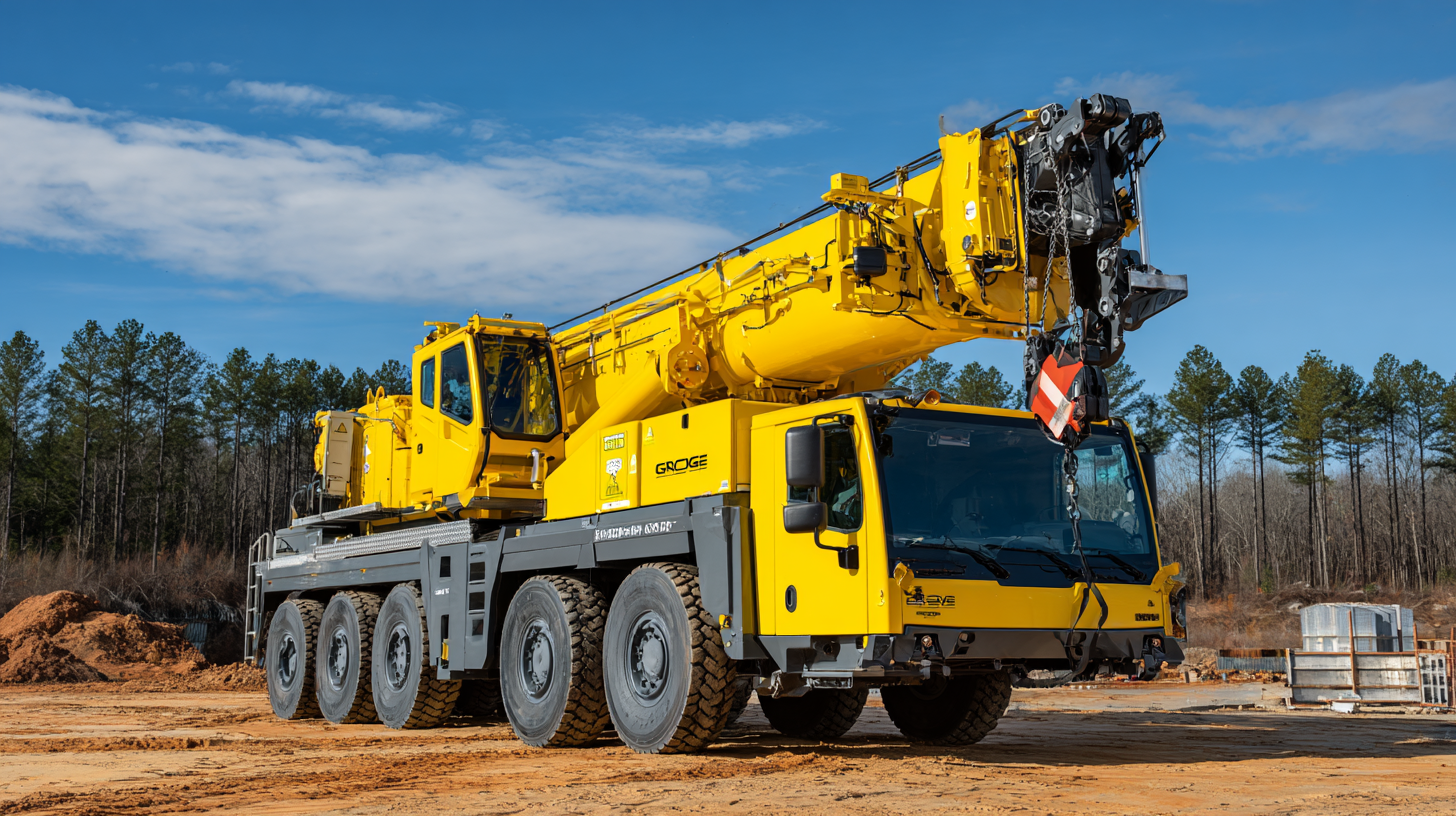
One noteworthy example comes from a major infrastructure project in urban Seattle, where the deployment of Grove’s flagship cranes allowed for quicker lifting times and unparalleled precision. According to project data, this resulted in a time savings of approximately 25%, enabling the project to be completed ahead of schedule. Furthermore, an analysis from the American Society of Civil Engineers shows that using modern crane technology can decrease project turnaround times by up to 15%, showcasing the tangible benefits that Grove Cranes bring to construction sites around the globe. These case studies exemplify how embracing innovative machinery can lead to substantial improvements in productivity and profitability.
Best Practices for Training Operators on Grove Crane Technology
Training operators on advanced crane technology is crucial for maximizing efficiency and productivity in the construction industry. With the development of innovative crane models, such as those engineered to boost productivity by 20%, it becomes imperative that operators are well-versed in the latest systems and techniques. A robust training program should incorporate hands-on experience, classroom instruction, and simulations to cover the technological advancements and safety protocols necessary for modern crane operation.
As industry events like Converge 2025 highlight the importance of crane operations, the focus on operator training cannot be overstated. Engaging with experts and attending workshops will provide operators with the skills needed to leverage new crane technologies effectively. Best practices may include regular training updates, mentorship programs, and performance assessments, ensuring that operators remain proficient and confident in their abilities. By prioritizing training, companies can enhance safety, reduce downtime, and ultimately improve project outcomes in a competitive construction landscape.
