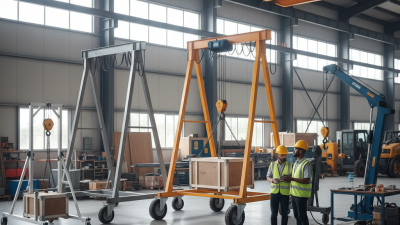
2026 How to Optimize Mobile Tower Crane Operations for Maximum Efficiency?
In the evolving landscape of construction, optimizing mobile tower crane operations is crucial for enhanced efficiency. Mobile tower cranes are widely used due to their flexibility and adaptability in urban environments. The ability to maneuver in tight spaces sets them apart from traditional cranes. However, many operations still face challenges that hinder peak performance.
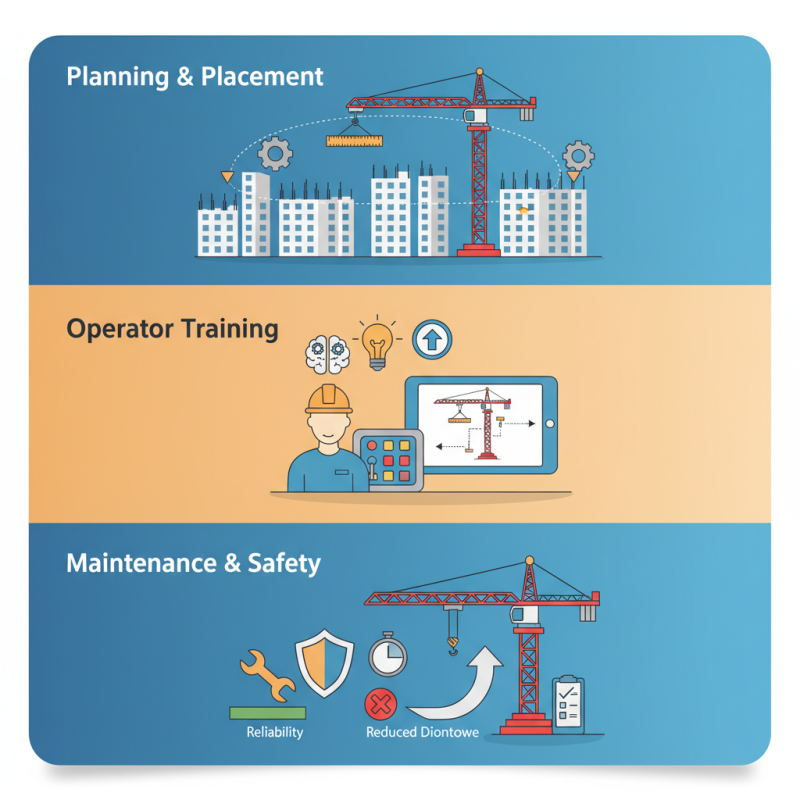
Improving these operations requires careful planning and strategic implementation. Operators must assess site conditions and crane placement meticulously. Small adjustments can lead to significant gains in productivity. Training is key; operators need to understand the full potential of their machinery. Yet, it's surprising how many do not maximize their cranes effectively.
Moreover, regular maintenance is essential for mobile tower cranes. Neglecting this can lead to unexpected downtime. Efficiency isn't only about speed; it encompasses safety and reliability too. Reflecting on these aspects can reveal areas for improvement. By focusing on both the technical and human elements, construction teams can achieve optimal mobile tower crane performance.
Best Practices for Setting Up Mobile Tower Cranes on Construction Sites
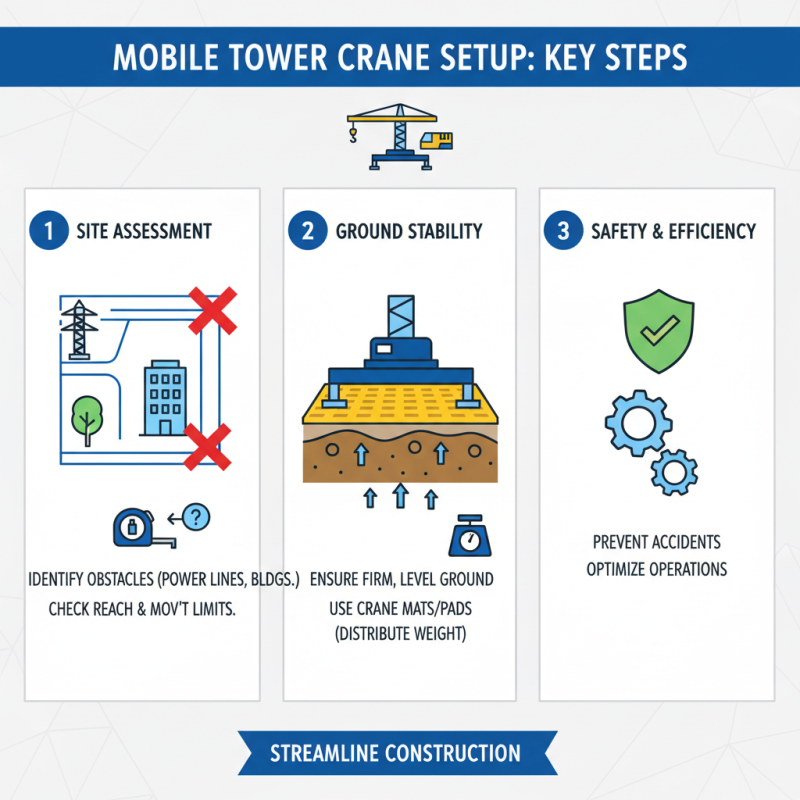
Setting up mobile tower cranes effectively can streamline construction operations. It’s crucial to assess the site before installation. Look for obstacles like power lines or buildings. These can limit crane movements and reach. Ensure the ground is stable and capable of supporting the crane's weight. Use appropriate mats or pads to distribute weight. These details can prevent accidents.
Proper crane positioning is essential. Consider the load paths and the area of operation. Optimize the crane’s reach while minimizing blind spots. Communication among workers is key. Establish clear signals and protocols. Sometimes, miscommunication leads to mistakes or delays. Regular training sessions can help address these gaps.
Lastly, monitor the crane's performance regularly. Are the operational times efficient? Are there frequent delays? Reflection is necessary for improvement. Adjustments may be needed based on feedback from operators. This process fosters a culture of safety and efficiency.
Factors Influencing Mobile Tower Crane Efficiency During Operations
Mobile tower cranes are vital in construction, but their efficiency can vary. Key factors influence how well they operate during projects. For example, the terrain plays an important role. Uneven surfaces can complicate setup and reduce stability. This may lead to slower operations and increased risk, prompting careful planning.
Operator skill is another significant factor. A well-trained operator can maneuver the crane smoothly and accurately. However, not all operators have the same experience. Mistakes can happen, affecting efficiency. Regular training sessions could help in addressing these gaps. Ensuring that operators understand load limits and safety protocols is crucial.
Weather conditions can also impact operations. High winds may limit crane usage, while rain can make surfaces slippery. These elements often force delays, affecting project timelines. Planning work schedules around weather forecasts is essential. However, unexpected weather changes can still disrupt optimizations. Taking proactive measures can help mitigate some of these challenges but not all. It's essential to continuously assess and adapt to these influencing factors for better outcomes.
2026 How to Optimize Mobile Tower Crane Operations for Maximum Efficiency? - Factors Influencing Mobile Tower Crane Efficiency During Operations
| Factor |
Description |
Impact on Efficiency (%) |
Recommended Action |
| Operator Skill Level |
The expertise and experience of the crane operator. |
25% |
Provide ongoing training and certification programs. |
| Maintenance Routine |
Regular inspections and maintenance of the crane. |
20% |
Implement a proactive maintenance schedule. |
| Load Management |
Efficient planning and execution of load handling. |
15% |
Utilize software for load planning and simulation. |
| Site Conditions |
Environmental factors affecting crane operation, such as space and terrain. |
10% |
Conduct a thorough site assessment before operations. |
| Technology Utilization |
Use of advanced technologies like GPS and drones. |
30% |
Invest in modern technology to enhance operations. |
Techniques for Enhancing Communication Among Crane Operators and Teams
Effective communication among crane operators and teams is crucial for optimizing mobile tower crane operations. A study by the Construction Industry Institute shows that poor communication can lead to delays of up to 30%. Crane operators must share real-time information to enhance workflow.
Regular briefings before shifts can reduce misunderstandings. Teams should practice using clear, concise language when conveying instructions. Installing communication devices can help bridge gaps. For example, headsets allow operators to hear commands even in noisy environments. These devices can improve coordination.
Mistakes still happen, even with the best systems in place. In 2021, reports noted a 15% increase in incidents due to miscommunication on job sites. Reflecting on these incidents can help teams identify weak points in their processes. Continuous training can improve response times and build trust among crew members. Implementing feedback systems encourages open dialogue and highlights areas for improvement.
Innovative Technologies to Monitor and Improve Crane Performance
Innovative technologies play a crucial role in optimizing mobile tower crane operations.
Real-time monitoring systems can track performance metrics such as load weight, elevation, and operational speed.
These systems help identify inefficiencies instantly. For instance, if a crane is consistently overloaded, operators can adjust their practices accordingly.
Ensuring the crane operates within safe limits enhances both safety and efficiency.
Data analytics further improves crane performance. By analyzing historical operation data, companies can identify patterns.
They can pinpoint when cranes experience peak usage times. This knowledge allows for better scheduling and reduces downtime.
However, relying solely on data can lead to neglecting operator instincts.
It's essential to balance data-driven decisions with human experience.
Integration of IoT devices can simplify communication among equipment.
Sensors can relay information about mechanical issues before they become serious problems.
Responding to alerts can prevent accidents and costly repairs. Yet, these systems are not infallible.
Over-reliance on technology may cause delays if systems fail. Regular maintenance of both machines and their monitoring software is vital to sustain high performance.
Safety Protocols That Support Efficient Mobile Tower Crane Operations
To achieve maximum efficiency in mobile tower crane operations, safety protocols play a crucial role. A recent industry report highlights that 60% of crane accidents stem from inadequate training and safety measures. Implementing rigorous training programs can address these gaps. Regular safety drills ensure operators are prepared for unexpected scenarios. This proactive approach can enhance overall site safety and reduce downtime.
Another key aspect involves regular equipment maintenance. Data shows that 30% of mobile tower crane incidents are linked to equipment failure. Scheduling routine inspections and addressing wear and tear can prevent these avoidable mishaps. Operators must be aware of load limits and site conditions. Communicating these factors with ground teams enhances operational efficiency while ensuring safety. However, it's essential to reflect on whether current practices are sufficient. Are there unseen risks that haven’t been accounted for?
Integrating new technologies can further support safety protocols. For instance, GPS and monitoring systems provide real-time data on crane operations. This information can be crucial for avoiding dangerous situations. Yet, one must question if technology alone can replace human judgment. Balancing technology with reliable safety protocols is vital. Organizations should continually assess their procedures to promote a culture of safety and efficiency.