What is an Overhead Gantry Crane? Benefits, Uses, and Key Features Explained
In the realm of industrial lifting solutions, the overhead gantry crane stands out as a pivotal piece of equipment that enhances operational efficiency and safety. According to industry expert John Peterson, a leading material handling consultant, "The overhead gantry crane is not just a tool; it's an investment in productivity and workplace safety." This statement underscores the critical role these cranes play in various sectors, from manufacturing to logistics, where space and time are of the essence.
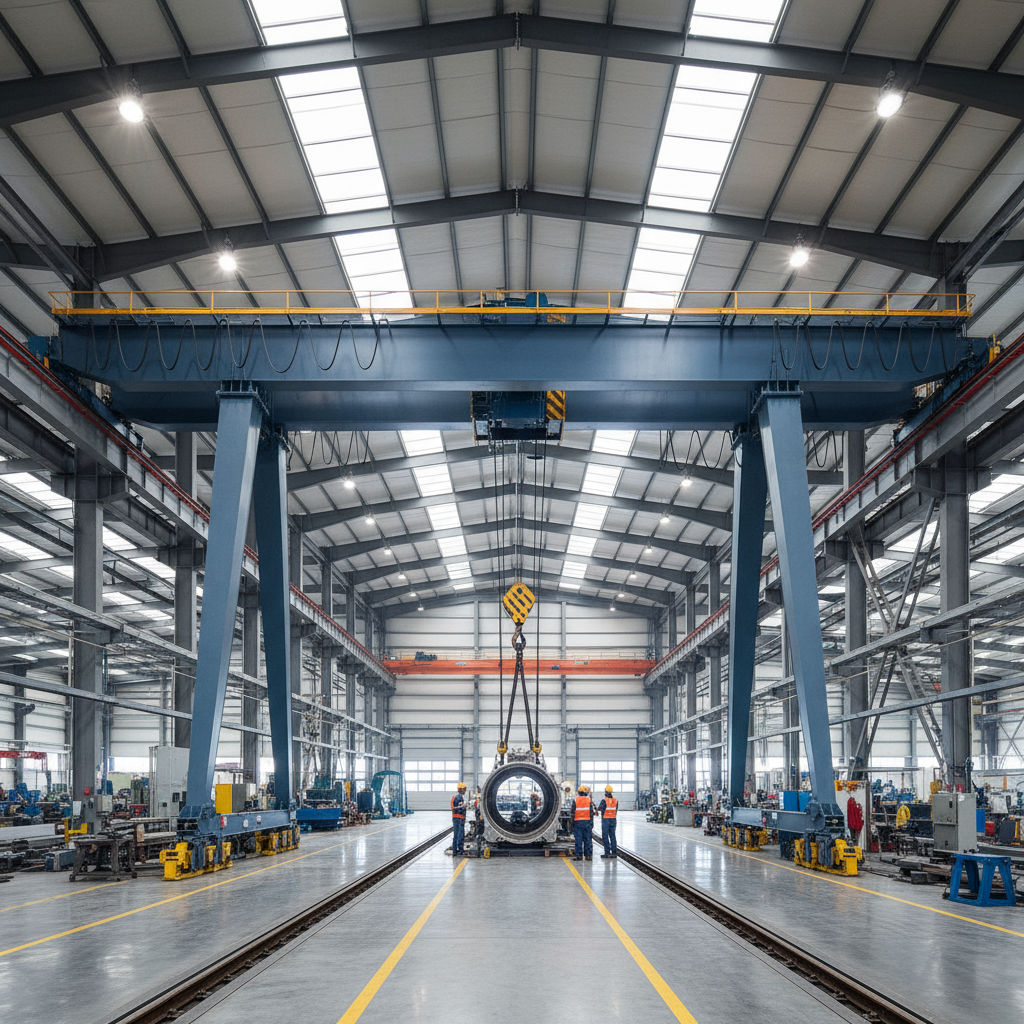
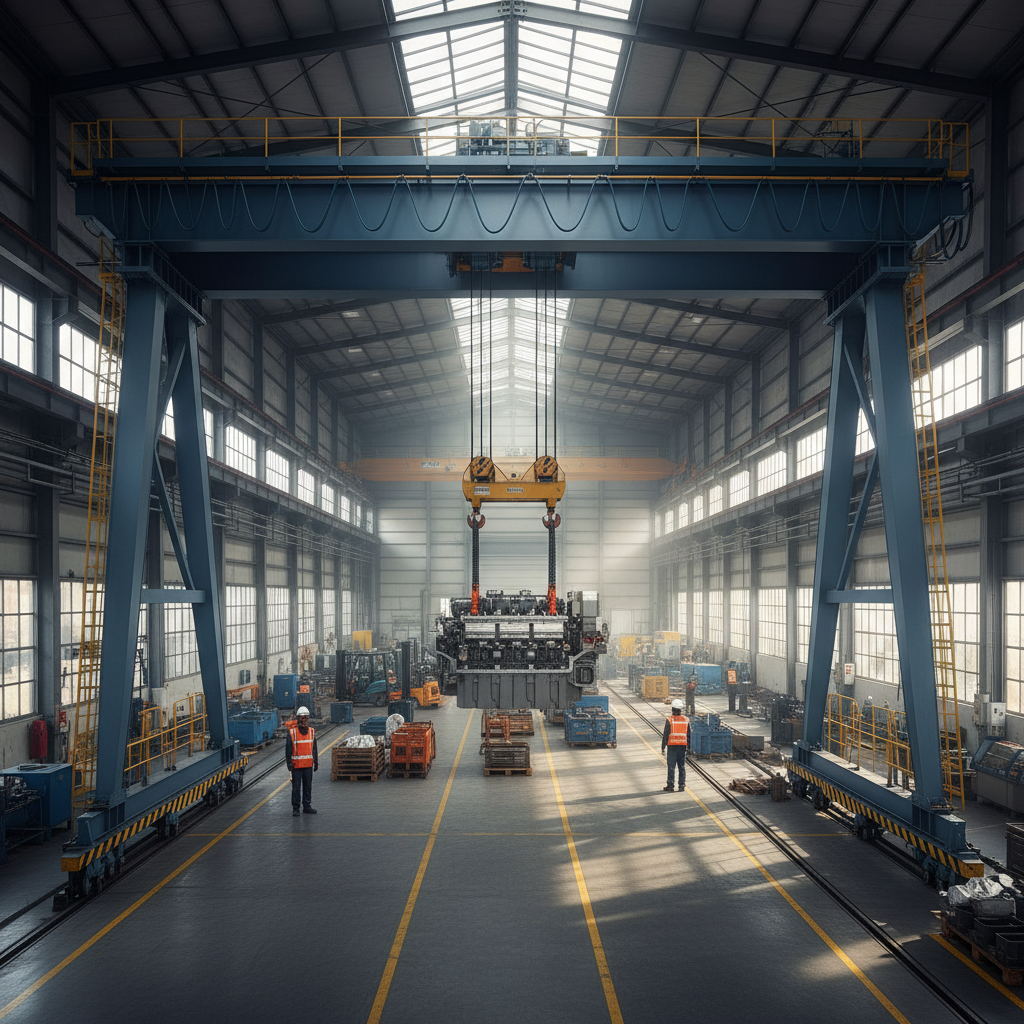 Overhead gantry cranes are distinguished by their unique structure, which allows them to traverse large work areas while lifting heavy loads with precision. This makes them indispensable for tasks that require significant lifting capacity and maneuverability. In addition to their practical advantages, such cranes also contribute to optimal workflow through their ability to reduce manual handling, thereby minimizing the risk of accidents.
As we delve deeper into the benefits, uses, and key features of overhead gantry cranes in this article, we will explore how they transform industrial operations and highlight the best practices for their implementation in diverse applications. With insights from experts like John Peterson and a comprehensive look at this vital equipment, you'll gain a better understanding of why investing in an overhead gantry crane can be a game-changer for your business.
Understanding Overhead Gantry Cranes: Definitions and Applications
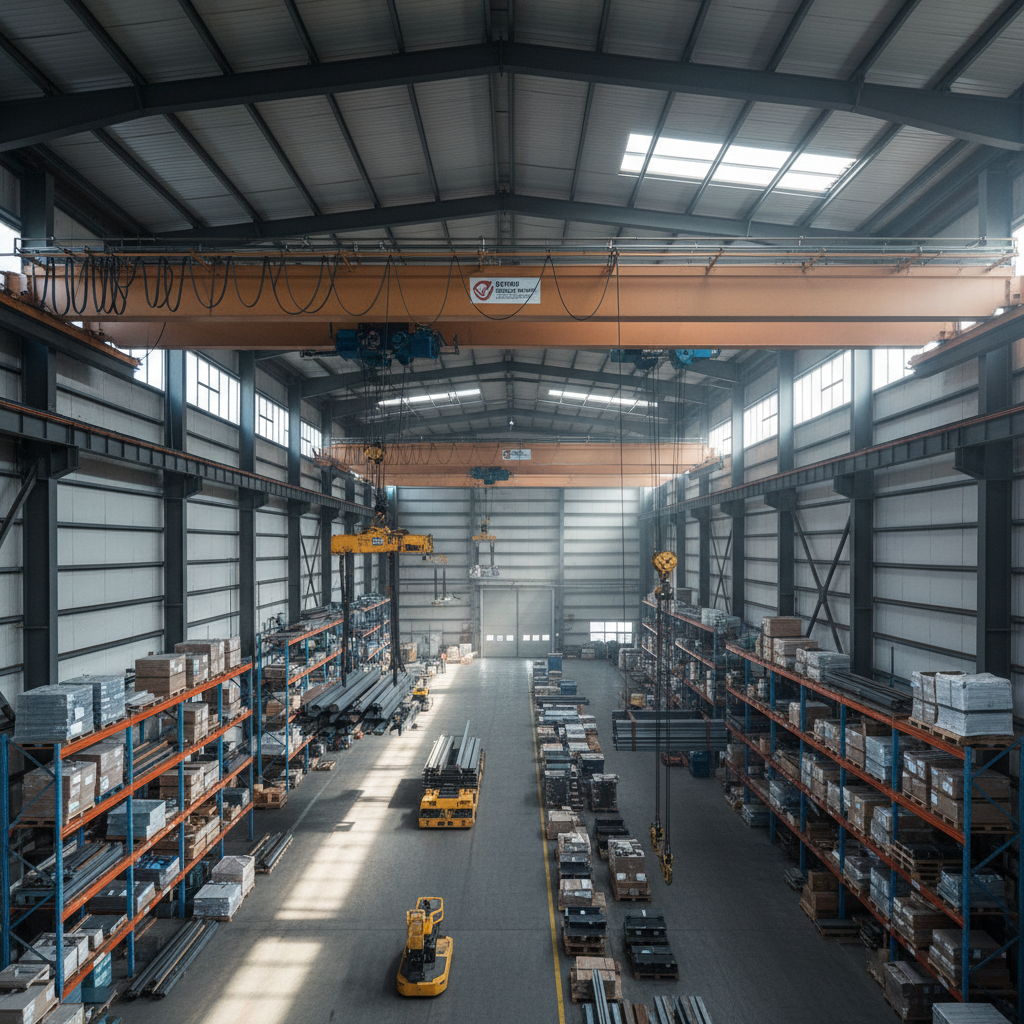
Overhead gantry cranes are versatile lifting systems designed to move heavy materials in various industrial settings.
Typically characterized by a frame that spans the workspace, they can operate with a trolley and hoist system, allowing for
precise and efficient movement of loads. These cranes are commonly used in manufacturing facilities, warehouses, and construction sites
due to their ability to handle substantial weights while maximizing overhead space.
When selecting an overhead gantry crane, it’s essential to consider the specific applications. For instance, in manufacturing,
these cranes can streamline the production process by transporting components between workstations. In warehouses, they improve
inventory management by facilitating the loading and unloading of materials.
Tips: Ensure that the crane is compatible with the environment in which it will be used.
Assess factors such as load capacity, span length, and height to optimize performance. Regular maintenance checks will also
extend the lifespan of the crane and enhance operational safety. Additionally, consider implementing operator training sessions
to ensure proficient and safe crane handling.
Key Benefits of Using Overhead Gantry Cranes in Various Industries
Overhead gantry cranes offer a range of significant benefits that enhance operational efficiency across various industries. One of the primary advantages is their ability to maximize vertical space, allowing for the lifting and movement of heavy loads without requiring extensive ground area. This feature is particularly beneficial in warehouses and manufacturing plants where floor space is often limited. By utilizing the overhead space, businesses can optimize their operations, leading to improved workflow and reduced congestion in work areas.
In addition, overhead gantry cranes are designed for versatility, making them suitable for a wide array of applications. From construction sites to shipyards, these cranes can handle different types of loads and are adaptable to various environments. Their ability to move loads horizontally and vertically enhances productivity while ensuring the safety of workers. Furthermore, the ease of operation and minimal maintenance requirements contribute to lower overall operational costs, making overhead gantry cranes a valuable investment for industries seeking to improve their lifting and transportation capabilities.
Essential Features of Overhead Gantry Cranes for Maximum Efficiency
Overhead gantry cranes are essential tools in various industrial settings, designed to enhance operational efficiency and safety. One of the key features that contribute to their effectiveness is their robust construction, which typically includes high-strength materials that ensure durability under heavy loads. This structural integrity not only allows for greater weight capacity but also minimizes the risk of failure during demanding lifting tasks, making them invaluable in warehouses, construction sites, and manufacturing plants.
Another vital aspect is the crane's mobility, often achieved through a set of wheels or tracks that allow for seamless movement across work areas. This feature enables operators to cover large spaces without the need for heavy machinery, improving workflow and reducing labor costs. Additionally, modern overhead gantry cranes are equipped with advanced control systems, including remote operation capabilities, which enhance safety and precision during lifting operations. With these essential features, overhead gantry cranes significantly boost productivity and streamline logistics in various industries.
Overhead Gantry Crane Efficiency Overview
Comparative Analysis: Overhead Gantry Cranes vs. Other Crane Types
When considering the various types of cranes available for industrial applications,
overhead gantry cranes stand out due to their unique design and functionality.
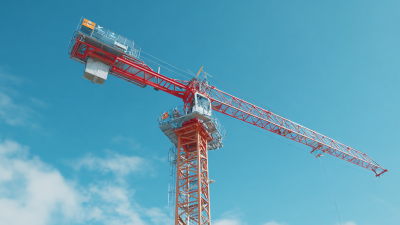
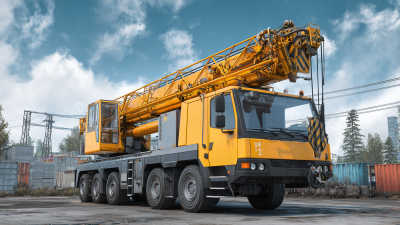
Unlike traditional tower cranes, which are often fixed in place, and mobile cranes that require significant setup,
overhead gantry cranes provide enhanced versatility.
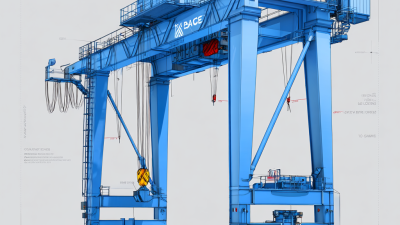
They utilize a bridge-like structure that traverses tracks, allowing for efficient lateral movement.
This design permits the lifting and transporting of heavy materials
across a workspace with minimal footprint, making them ideal for factories, shipping yards, and warehouses.
In comparison to other crane types, overhead gantry cranes offer distinct advantages.
For instance, jib cranes, while excellent for localized lifting,
lack the extensive reach and capacity of gantry systems. Likewise, telehandlers offer flexibility but can be limited in lifting height and weight compared to overhead gantry cranes.
The combination of high load capacity, stability, and space-saving structure
makes gantry cranes preferable in environments where safety and efficiency are paramount.
Their ability to operate in tight spaces while maximizing vertical space is a key differentiator in large-scale industrial operations.
Safety Considerations and Best Practices for Overhead Gantry Crane Operation
Overhead gantry cranes play a critical role in various industrial applications, but their operation comes with inherent safety risks that must be managed effectively. In light of recent fatal accidents involving cranes, safety considerations have gained heightened attention, prompting both crane operators and general contractors to reevaluate their safety protocols. It is essential for those operating these cranes to adhere to best practices, including regular maintenance checks and operator training, to mitigate the risk of workplace hazards.
Moreover, compliance with new regulations aimed at enhancing crane safety is imperative. These regulations not only hold crane companies accountable for equipment safety but also emphasize the responsibilities of general contractors and developers in ensuring safe job sites. By fostering a culture of safety and vigilance, including comprehensive safety training and risk assessments, the construction industry can prioritize the well-being of all workers involved, significantly reducing the likelihood of dangerous situations during crane operations.
What is an Overhead Gantry Crane? Benefits, Uses, and Key Features Explained - Safety Considerations and Best Practices for Overhead Gantry Crane Operation
| Feature |
Description |
Benefits |
Safety Considerations |
Best Practices |
| Load Capacity |
Typically ranges from 1 ton to over 100 tons. |
Handles heavy loads efficiently. |
Ensure load limits are not exceeded. |
Regularly inspect load capacities. |
| Mobility |
Can be portable or fixed in place. |
Flexible use in different locations. |
Operate on stable, level ground. |
Train operators on mobility features. |
| Control Systems |
Includes manual and remote controls. |
Increases operator safety and efficiency. |
Ensure clarity in control mechanism. |
Conduct regular training on control systems. |
| Maintenance |
Requires regular inspection and servicing. |
Prolongs lifespan and performance. |
Follow manufacturer guidelines on maintenance. |
Schedule routine checks and repairs. |
| Applications |
Used in manufacturing, construction, and loading. |
Versatile across industries. |
Use appropriate safety gear. |
Adhere to operational protocols at all times. |