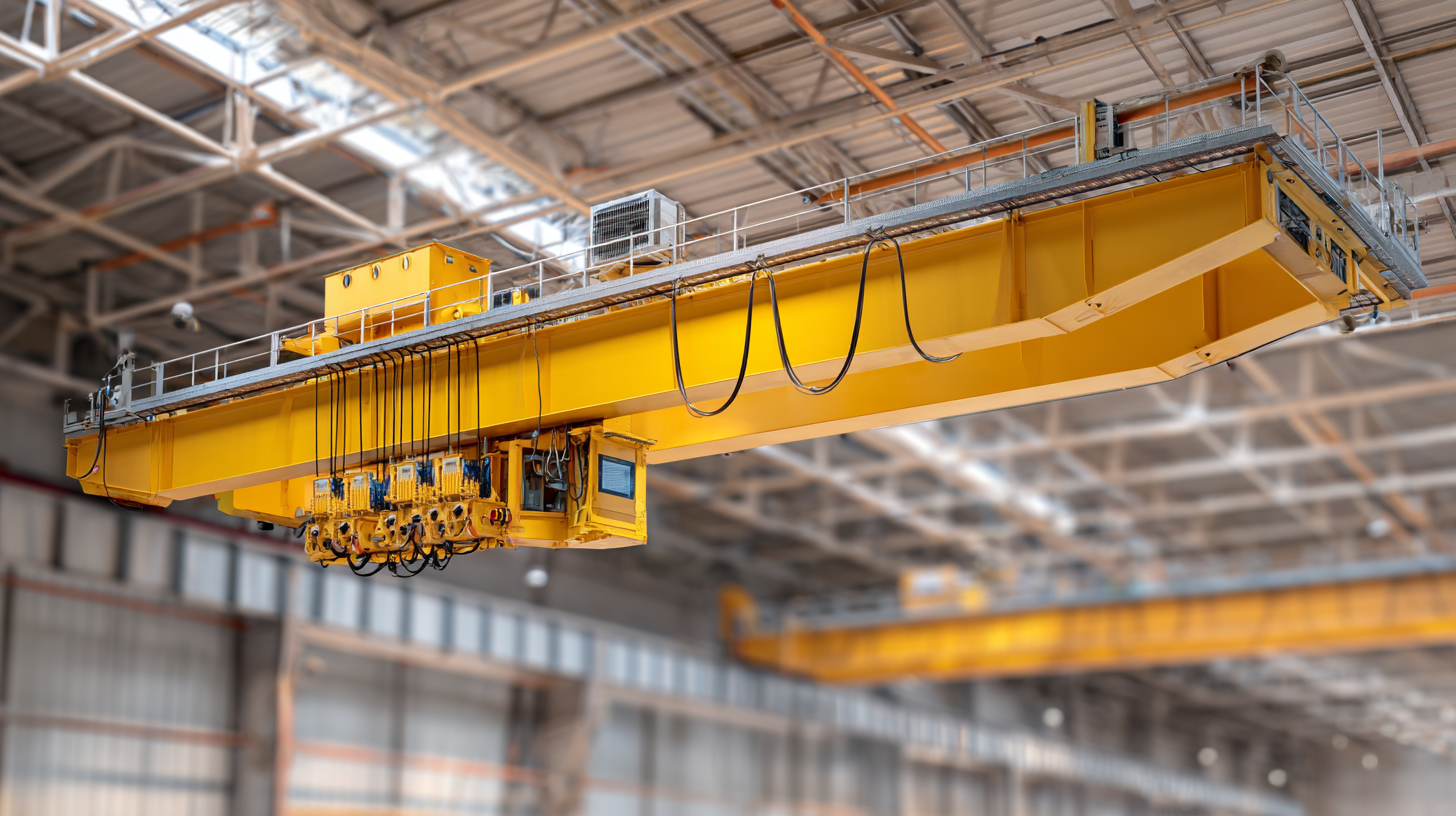
What is a Small Overhead Crane and How It Enhances Your Material Handling Efficiency?
In the fast-paced world of manufacturing and logistics, efficiency in material handling is paramount. One key innovation in this arena is the small overhead crane, which has been recognized for its ability to streamline operations and optimize workspace. According to a report by the Material Handling Industry of America (MHIA), over 70% of manufacturers have reported an increase in productivity through the implementation of advanced material handling equipment, including small overhead cranes. These cranes not only save space but also enhance safety by reducing the need for manual lifting, ultimately leading to higher operational efficiency.
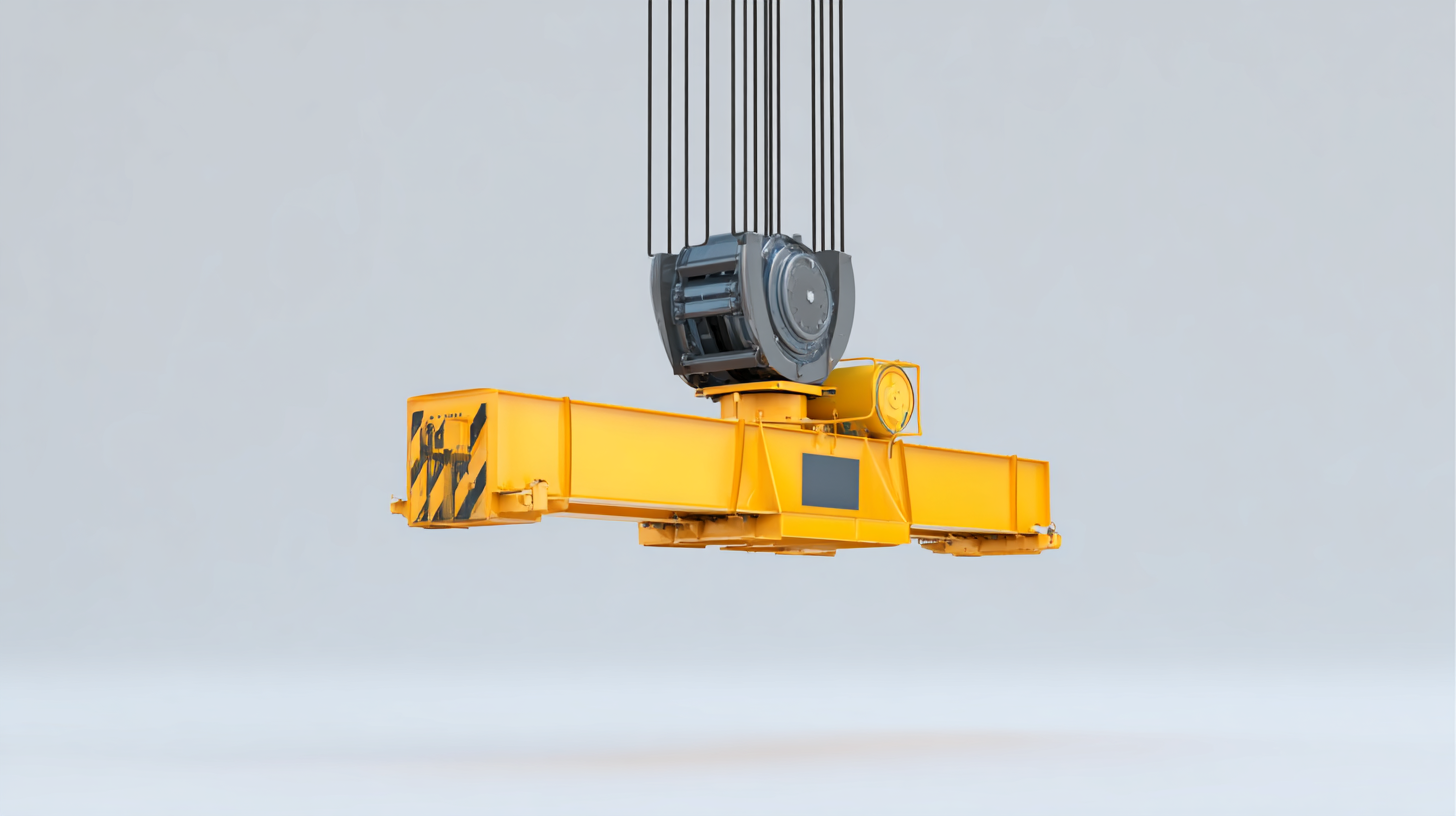
Dr. James Thompson, a leading expert in material handling systems, highlights the transformative impact of small overhead cranes in modern manufacturing environments. He states, "The introduction of small overhead cranes allows businesses to maximize their floor space and improve workflow, making it a pivotal tool in modern operational strategies." As industries continue to evolve, the adoption of small overhead cranes is becoming increasingly vital, emphasizing their role in supporting lean manufacturing principles and meeting the demands of a competitive marketplace. By embracing this technology, companies are not only improving efficiency but also fostering a safer and more productive workplace.
Understanding the Basics of Small Overhead Cranes in Material Handling
Small overhead cranes have become indispensable tools in material handling, offering enhanced efficiency and safety in various industrial settings. These cranes typically have a lifting capacity ranging from 500 to 2,000 pounds, making them ideal for operations that require maneuverability in confined spaces. According to a report by the Material Handling Industry of America (MHIA), implementing small overhead cranes can increase productivity by as much as 25% compared to manual handling methods.
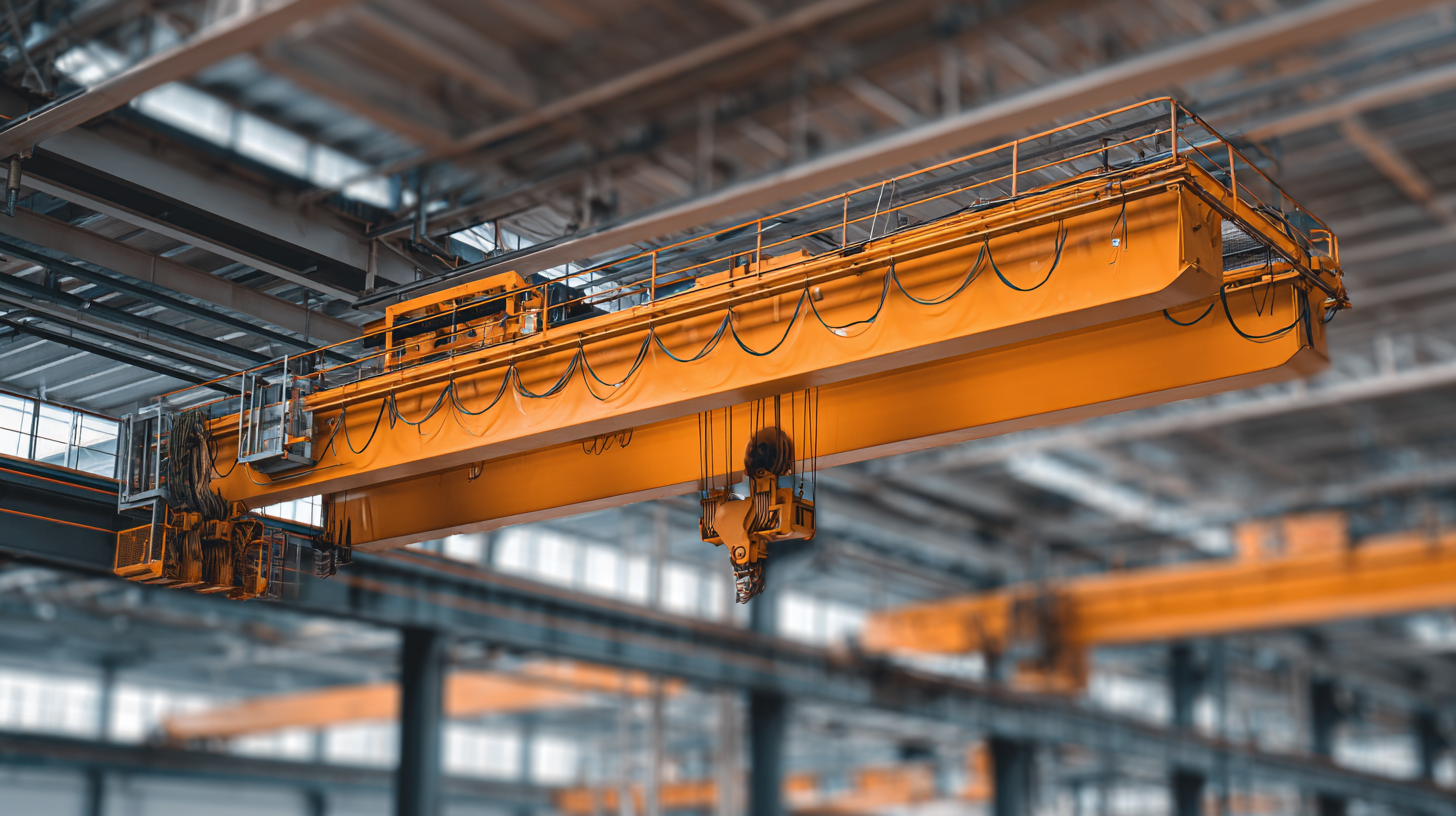
Understanding the mechanics of small overhead cranes is essential for maximizing their benefits. These systems consist of a hoist that is mounted on a trolley, which moves along a horizontal beam. This design allows for vertical and lateral movement, facilitating the quick transfer of materials from one location to another. The Occupational Safety and Health Administration (OSHA) highlights that properly utilized overhead cranes can significantly reduce workplace injuries caused by manual lifting, leading to a safer work environment. Furthermore, by integrating small overhead cranes into operations, companies can streamline workflows and boost efficiency, ultimately enhancing their overall material handling capabilities.
Key Features of Small Overhead Cranes That Boost Efficiency
Small overhead cranes have become essential tools in various industries, enhancing material handling efficiency through their innovative design and functionalities. Key features that significantly contribute to their effectiveness include compact design, high lifting capacities, and precise control systems. According to a report by the Material Handling Industry of America, over 20% of businesses have improved their workflow efficiency by implementing overhead cranes, demonstrating their critical role in optimizing operations.
One crucial aspect of small overhead cranes is their ability to maximize vertical space in facilities. With a lifting capacity often ranging from 1 to 10 tons, these cranes effectively lift heavy loads while minimizing ground space usage. This not only streamlines workflows but also reduces the risk of workplace accidents. A survey conducted by the Occupational Safety and Health Administration (OSHA) highlighted that businesses utilizing small overhead cranes reported a 30% decrease in workplace injuries associated with material handling.
Moreover, the integration of advanced control technologies enhances the precision of load movement, allowing for smoother operations and the safe transport of materials. With features such as remote controls and automated systems, small overhead cranes can improve response times and reduce operator fatigue. This efficient handling of materials can lead to significant time savings, with industry reports indicating a boost in productivity by up to 50% in facilities that leverage these advanced systems.
Advantages of Implementing Small Overhead Cranes in the Workplace
Small overhead cranes are transforming material handling in various industries, offering several advantages that enhance operational efficiency. According to a report by Market Research Future, the global overhead crane market is projected to grow at a CAGR of 4.5% from 2021 to 2026, indicating an increasing reliance on these systems for lifting and transporting materials. Their compact design allows for better utilization of vertical space, enabling businesses to handle loads up to 5 tons in confined areas, thereby optimizing workflow.
The implementation of small overhead cranes significantly reduces manual handling, which is a leading cause of workplace injuries. The Occupational Safety and Health Administration (OSHA) reports that more than 30% of workplace injuries are related to lifting. By automating the lifting process, small overhead cranes not only enhance safety but also streamline operations. Furthermore, they can improve productivity by reducing cycle times; with cranes that can move loads seamlessly across workspaces, businesses can accomplish more tasks in less time. This efficiency, combined with reduced risk of injury, positions small overhead cranes as a smart investment for modern workplaces.
What is a Small Overhead Crane and How It Enhances Your Material Handling Efficiency? - Advantages of Implementing Small Overhead Cranes in the Workplace
| Feature |
Description |
Benefits |
| Compact Design |
Small overhead cranes are designed for environments with limited space. |
Maximizes workspace, allowing for more efficient material handling. |
| Improved Ergonomics |
Designed to reduce the strain on workers when lifting loads. |
Promotes worker safety and reduces the likelihood of injuries. |
| Versatile Operation |
Can be used in various industrial applications, from manufacturing to warehousing. |
Adaptable to multiple tasks, increasing overall operational efficiency. |
| Cost-Effective |
Lower initial investment compared to larger cranes. |
Provides a high return on investment through increased productivity. |
| Easy Installation |
Quick and straightforward setup is possible in most environments. |
Minimizes downtime and allows for immediate operational benefits. |
Tips for Selecting the Right Small Overhead Crane for Your Needs
When selecting the right small overhead crane for your material handling needs, there are several critical factors to consider. First and foremost, assess the weight capacity required for your specific applications. Different cranes are designed to lift varying loads, and choosing one that can accommodate your heaviest items is essential to ensure safety and efficiency.
Another important aspect is the dimensions of the workspace. Measure the height and width limitations in your facility to determine the appropriate span and lifting height needed for seamless operation. Additionally, consider whether you need a fixed or mobile crane, as mobile cranes offer more flexibility in navigating tight spaces.
Lastly, pay attention to the control options available. Ergonomic and intuitive controls can significantly enhance operator efficiency and reduce fatigue. Features such as wireless controls or automated systems can further streamline your material handling processes. By carefully weighing these tips, you can choose a small overhead crane that not only meets your needs but also enhances overall productivity in your operations.
Material Handling Efficiency with Small Overhead Cranes
This bar chart illustrates the improvement in material handling efficiency before and after implementing a small overhead crane. As shown, production increased significantly from 10 units per hour to 30 units per hour after the crane was utilized, demonstrating its effectiveness in enhancing operational productivity.
Maintenance Practices to Ensure Longevity of Small Overhead Cranes
Proper maintenance practices are essential for ensuring the longevity of small overhead cranes, which play a crucial role in enhancing material handling efficiency. Regular inspections and scheduled maintenance work can prevent costly downtimes and extend the service life of these cranes. Implementing a routine check for wear and tear, lubricating moving parts, and keeping the equipment clean can go a long way in maintaining optimal performance.
Tips for Maintenance:
- Regular Inspection: Conduct monthly inspections focusing on critical components such as cables, hooks, and brakes. Address any signs of wear immediately to avoid accidents and ensure safety.
- Lubrication: Ensure that all moving parts are adequately lubricated to reduce friction and wear. Following the manufacturer's guidelines on the type and frequency of lubrication is crucial.
- Training: Train personnel on proper operating procedures to minimize misuse and damage. Familiarity with the crane's features can significantly enhance safety and efficiency.
Moreover, staying updated with industry regulations, like those from OSHA regarding service truck crane operations, is vital. This knowledge not only ensures compliance but also assists in implementing best practices that enhance safety and operational efficiency. Implementing these maintenance strategies will ensure your small overhead crane remains a reliable asset in your material handling processes.