Essential Tips for Choosing Rail Construction Equipment?
Choosing the right rail construction equipment is crucial for any railway project. The productivity and safety of your operations depend on it. Limited knowledge about available options can lead to costly mistakes. High-quality rail construction equipment can enhance efficiency and reduce downtime.
Experience plays a huge role when selecting gear. Each project has its unique challenges and requirements. Equipment that worked for one project may not suit another. Therefore, it is essential to conduct thorough research. Experts recommend evaluating various factors such as the terrain, load capacity, and project scope.
Investing in state-of-the-art technology can improve outcomes. However, it is easy to overlook details like maintenance and operator training. Skipping these aspects may lead to future problems. Reliable sources and expert opinions should guide your decisions. Overall, understanding your specific needs and seeking professional insight is vital.
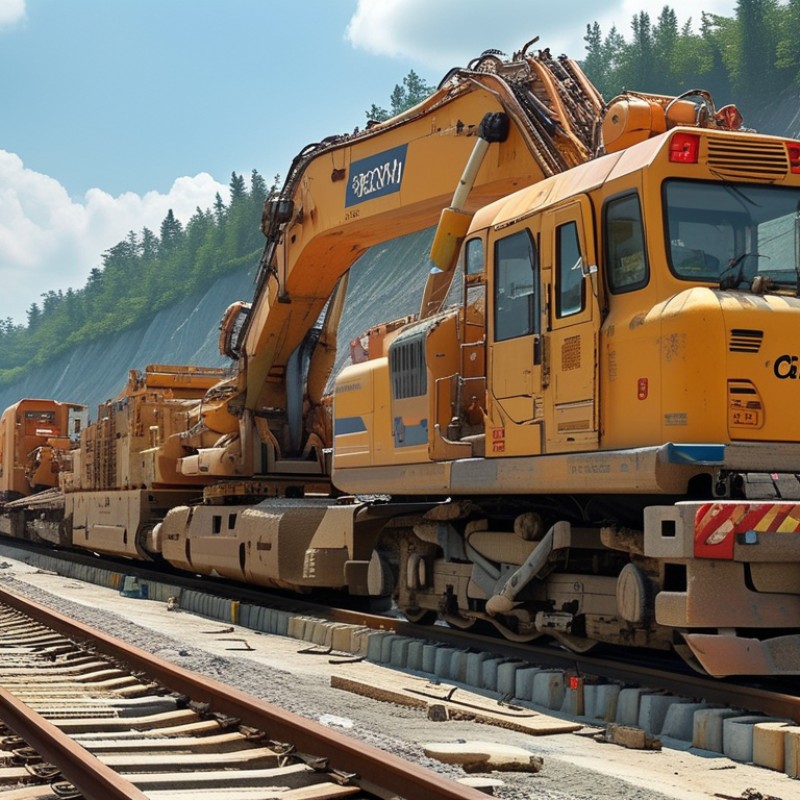
Understanding the Types of Rail Construction Equipment Available
Choosing the right rail construction equipment is crucial for any project. Various types of equipment are available, each serving unique functions. Understanding these can greatly enhance project efficiency.
One key category is track-laying machines. These machines efficiently assemble tracks, reducing manual labor. According to industry reports, using advanced track-laying machines can cut construction time by up to 30%. They ensure precision, which is vital for long-term durability. Next, there are ballast regulators. These machines level and distribute ballast effectively, creating a stable foundation for tracks. A well-regulated ballast can reduce maintenance costs by 15% over time.
Crane and lifting equipment also play essential roles. They transport heavy materials and components safely. However, many projects overlook the proper certification requirements for these machines. Neglecting this can lead to accidents and delays. Furthermore, smaller equipment like compactors and tampers shouldn’t be ignored. These are essential for ensuring track stability. Notably, while selecting equipment, considering a variety of factors, including local conditions, is essential. Each project has unique needs that demand tailored equipment solutions.
Key Factors to Consider When Selecting Rail Construction Machinery
When selecting rail construction machinery, there are several key factors to keep in mind. Understanding the specific requirements of your project is crucial. Consider the type of terrain you'll be working on. Different machinery performs better in varying conditions, whether it’s rocky landscapes or wet surfaces.
One important tip is to assess the weight and size of the equipment. Heavier machinery may provide stability but could struggle in tighter spaces. Conversely, lighter options may maneuver easily but lack the strength for larger tasks. It’s essential to strike a balance based on your project's demands.
Another factor to evaluate is the maintenance and support services available for the equipment. A reliable machine may still require parts or service. Look for options that offer accessible maintenance support. This can save significant time and costs in the long run. Think about the operational training as well. Staff may need specific skills to operate complex machinery efficiently. Investing in training could prevent costly mistakes down the road.
Evaluating the Cost Efficiency of Rail Equipment in Projects
When evaluating the cost efficiency of rail construction equipment, assessing initial costs is essential. Equipment can range significantly in price. However, lower upfront costs do not always lead to savings. Often, these units have higher maintenance needs. It's crucial to consider long-term expenses.
Operational efficiency plays a key role in cost management. The right equipment should enhance productivity while minimizing delays. Fuel consumption and power requirements also impact overall costs. Choose machinery that consumes less fuel over extended periods. Look for features that provide better performance, even if they come at a higher price initially.
Another factor to consider is the resale value. Equipment that holds its value well can offset the initial investment. Check market trends for various types of machinery. Consult with experts who understand the industry. Remember to review any financing options available. This can affect your cash flow and project budget substantially over time. Making informed decisions can lead to significant savings in the long run.
Assessing Safety Standards in Rail Construction Equipment
When choosing rail construction equipment, safety standards should be top priority. Effective rail construction is crucial for maintaining reliability. Equipment used must meet rigorous safety regulations. Regular safety inspections and maintenance schedules are essential to ensure optimal performance.
Rail construction sites pose inherent risks. Workers often operate heavy machinery in close proximity. Therefore, understanding equipment safety features is vital. Look for designs that minimize hazards, such as enclosed cabins and advanced braking systems. Evaluate the operator training provided. Proper training reduces accidents and increases overall safety on site.
While safety standards are often well-defined, adherence can vary. Some equipment may be compliant yet lack practical safety features. Additionally, different regions may have distinct regulations. Consistent evaluation of both local and national standards is necessary. It's crucial to communicate with equipment providers and seek clarity on safety certifications.
Analyzing Maintenance Requirements of Rail Construction Tools
When selecting rail construction equipment, understanding maintenance requirements is crucial. Proper maintenance ensures safety, enhances performance, and prolongs equipment life. The International Association of Machinery and Equipment Dealers (IAMED) reports that effective maintenance can increase equipment longevity by 30-50%. This statistic underscores the significance of investing time and resources into upkeep.
Regular inspections and maintenance routines are essential. For instance, Rail Machinery like tampers and excavators require daily and weekly checks. Ignoring these practices can lead to breakdowns. A breakdown not only delays projects but also incurs additional costs—up to 20% more than planned. Furthermore, unmaintained equipment can pose safety hazards, putting workers at risk. This highlights the need for a well-structured maintenance plan that incorporates routine checks.
Training and expertise also play a vital role in maintenance. According to the Bureau of Labor Statistics, proper training reduces equipment-related accidents by 40%. A skilled workforce can identify potential issues early. This proactive approach saves time and money in the long run. Therefore, investing in ongoing education and training ensures that maintenance is performed efficiently and effectively.
Essential Tips for Choosing Rail Construction Equipment - Analyzing Maintenance Requirements of Rail Construction Tools
| Equipment Type | Maintenance Frequency | Common Issues | Recommended Service Interval |
| Rail Grinding Machine | Weekly | Wear of grinding stones, hydraulic issues | Every 500 hours of operation |
| Track Inspection Vehicle | Monthly | Sensor calibration, battery lifespan | Every 1000 miles |
| Rail Welding Machine | After every job | Electrode wear, overheating | Every 50 welds |
| Ballast Regulator | Bi-weekly | Hydraulic leaks, uneven distribution | Every 300 hours of operation |
| Rail Excavator | Weekly | Hydraulic performance, track lifting issues | Every 600 hours of operation |
