Top 10 Automated Parking Machine Suppliers Worldwide
Urban space is becoming a measurable constraint, not merely an architectural concern. In dense districts, a conventional parking bay can consume 25 to 35 square meters, including circulation space. An Automated Parking Machine can stack vehicles vertically or transfer them horizontally, creating more capacity within a smaller footprint. The result may be visible beside a hotel lobby, below an apartment tower, or beneath a busy commercial street.
Industry forecasts indicate sustained market expansion. Fortune Business Insights identifies automated parking systems as a growing smart-mobility segment, driven by urbanization, limited land, and demand for digital vehicle management. MarketsandMarkets also reports strong adoption potential through 2028, particularly in automated storage and retrieval systems. These reports use different market definitions, however. Their figures should be compared carefully, not treated as identical evidence.
This article examines ten leading Automated Parking Machine suppliers worldwide. The evaluation considers deployment experience, system reliability, safety engineering, software integration, service coverage, and project scalability. It also reviews practical details, including retrieval time, maintenance access, energy consumption, and performance during peak hours. A polished showroom is not enough. Real-world operation matters more. A ranking can never be perfectly neutral because suppliers serve different building types and regional requirements. That limitation matters. Some companies excel in robotic garages, while others focus on rotary, puzzle, shuttle, or tower systems. Readers should therefore treat this list as a research starting point, then verify certifications, local support, warranty terms, and completed installations before making a procurement decision.
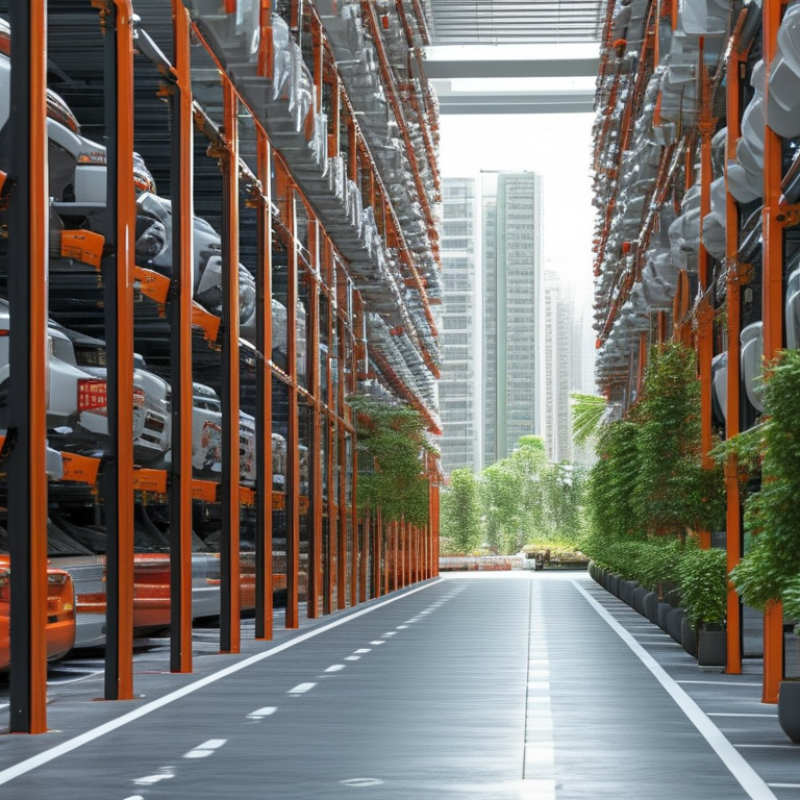
Definition and Core Functions of Automated Parking Machines
Top 10 Automated Parking Machine Suppliers Worldwide
Definition and Core Functions of Automated Parking Machines
An automated parking machine is a powered system that stores and retrieves vehicles without conventional driving inside the parking structure. It combines sensors, lifts, conveyors, shuttles, control software, and access terminals. Drivers usually stop at an entry cabin, where cameras and sensors check vehicle position, height, and weight. The system then transfers the vehicle to an available space.
Its core function is controlled vehicle movement. Software assigns each car a location, records its position, and manages retrieval requests. Safety interlocks can stop equipment when doors open, obstacles appear, or weight limits are exceeded. Emergency controls remain essential. Convenience should never replace physical safety.
Grand View Research estimates that the global automated parking system market could reach about USD 3.2 billion by 2030, with strong annual growth after 2023. Allied Market Research projects the market may exceed USD 6 billion by 2032. These figures indicate rising interest in dense urban sites, but forecasts are not guarantees. Installation quality, maintenance access, power reliability, and local fire regulations can change the business case.
A well-designed system may reduce driving lanes and use land more efficiently. It can also lower exhaust emissions inside enclosed facilities because drivers do not circle for spaces. Still, automation is not magic. Poor sensor calibration or unclear user instructions may create delays. Suppliers should therefore document recovery procedures, inspection schedules, software limits, and manual-release methods. Those details often matter more than impressive operating speed.
How Automated Parking Systems Operate
Automated parking systems move vehicles through a controlled sequence of sensors, software, lifts, and storage modules. The driver stops inside an entry bay, where cameras and floor sensors check the vehicle’s position and dimensions. The system then records a parking ticket or digital code. A conveyor, pallet, lift, or robotic shuttle transfers the vehicle to an available space. Every movement depends on accurate data.
Inside the structure, the control system coordinates doors, motors, safety locks, and occupancy sensors. It checks for people, open gates, and unusual movement before each action. Retrieval follows the reverse process, bringing the vehicle to a collection bay. In real projects, operation is rarely perfect. A misaligned wheel, dirty sensor, or weak network signal can delay the cycle. Regular inspections and trained technicians remain essential, even in highly automated facilities.
Tips: Confirm the system’s vehicle-size limits before installation. Keep entry areas dry, clean, and clearly marked. Ask suppliers about emergency access, maintenance intervals, backup controls, and response times. Test retrieval during busy periods, not only during demonstrations. A smooth presentation can hide practical weaknesses.
Top 10 Automated Parking Machine Suppliers Worldwide — How Automated Parking Systems Operate
Automated parking systems combine vehicle identification, safety sensing, vertical lifting, horizontal transport, and centralized control. The chart compares representative operating characteristics of the main system configurations used worldwide. Throughput values indicate approximate vehicles handled per hour under normal operating conditions and vary according to site layout, equipment configuration, and retrieval demand.
Key Criteria for Comparing Global Suppliers
Comparing the Top 10 Automated Parking Machine Suppliers Worldwide requires more than checking installation price. Market forecasts show strong demand, but estimates vary. Grand View Research valued the global automated parking system market at about USD 1.87 billion in 2023. It also projects a 15.1% compound annual growth rate through 2030. MarketsandMarkets reports a different baseline, which shows why buyers should verify every forecast.
Start with measurable engineering criteria. Compare vehicle capacity, retrieval time, floor-space efficiency, noise levels, and maximum vehicle weight. A supplier should provide tested cycle-time data, not only animated demonstrations. Ask for uptime records from comparable sites. Request maintenance logs. Small delays become serious during morning peaks.
Safety and compliance deserve equal attention. Check emergency access, fire protection, structural calculations, accessibility provisions, and local certification. Control software should record faults and support secure updates. The Uptime Institute’s data-center guidance emphasizes resilience, redundancy, and documented maintenance; these principles also fit parking infrastructure. Look for backup power, manual recovery procedures, and spare-part availability.
Total cost often exposes weak comparisons. Include civil works, ventilation, software licenses, operator training, energy use, and ten-year maintenance. Site references should match your climate and traffic pattern. A coastal garage needs corrosion protection. A residential tower needs quiet operation. No scorecard is perfect. I would weight verified local service capacity more heavily than a polished sales presentation, while keeping room for site-specific risks.
Top Automated Parking Machine Suppliers Worldwide
Top automated parking machine suppliers worldwide are not chosen by glossy catalogs alone. The strongest suppliers combine engineering depth, installation experience, and dependable after-sales support. Their systems may include puzzle parking, tower structures, shuttle platforms, or rotary units. Each design serves different sites. A dense city center needs compact throughput, while a residential project may value quiet operation and simple maintenance. Suppliers should provide load calculations, traffic simulations, and clear commissioning records. These documents reveal more than promotional claims.
Experienced suppliers also explain the full operating cycle. A vehicle enters a marked bay, sensors verify its position, and the platform transfers it safely. Good suppliers specify lifting speed, platform tolerance, emergency recovery, and weather protection. They train local technicians and stock critical parts near the installation region. Remote diagnostics can reduce downtime, but only when connectivity and data security are properly managed. A supplier with global projects should still adapt controls to local building conditions, climate, and user habits. International scale is useful, not sufficient.
The best worldwide suppliers maintain measurable service standards, including response times, preventive maintenance intervals, and acceptance testing. Ask for references from comparable buildings, not only landmark projects. Site visits can expose noise, queueing, or awkward pedestrian routes. These details matter daily. Cost remains important, yet the cheapest machine may create higher lifetime expenses through frequent repairs or slow retrieval. Procurement teams should compare energy use, spare-part access, warranty terms, and operator training. No supplier is perfect. A careful buyer should document weak points before signing, then review performance after several months of use.
Applications, Benefits, and Selection Considerations
Automated parking machines serve residential towers, hospitals, offices, hotels, and transit hubs. In dense districts, they stack vehicles vertically or move them into compact storage bays. A driver may stop at a ground-level cabin, confirm the vehicle size, and leave without entering a dark garage. Hospitals can reserve wider bays for mobility needs. Apartment projects can reclaim valuable space for gardens, delivery areas, or safer walking routes.
The main benefits include higher parking capacity, controlled vehicle movement, and reduced searching time. Sensors guide positioning and detect obstacles near doors, wheels, and platforms. Less engine idling can improve air quality inside enclosed facilities. Digital records also help operators monitor occupancy and maintenance. Yet the system is not flawless. A power interruption, sensor fault, or poorly trained operator can delay retrieval during busy periods. Backup power and manual recovery procedures matter.
When comparing suppliers, examine proven installations with similar weather, traffic, and vehicle sizes. Request documented load ratings, cycle times, safety tests, and service response commitments. Software should support access control, payment integration, fault alerts, and clear user instructions. Ask who stocks replacement parts locally. Check drainage, corrosion protection, fire planning, and accessibility during the design review. A low purchase price may hide expensive maintenance. Independent testing and references from operating sites provide stronger evidence than polished sales claims. The best choice fits the building’s workflow, not merely its available floor area.
