China Top 10 Packing Covers Manufacturers
China’s packing industry is becoming more specialized, especially in protective covers for pallets, machinery, furniture, and exported goods. Packing Covers now support cleaner storage, safer transport, and more consistent warehouse handling. They may look simple. Their performance is not.
Smithers’ global packaging market research shows continued demand for packaging that improves product protection and logistics efficiency. Its forecasts also highlight stronger interest in lightweight materials, recyclable structures, and packaging designed for automated supply chains. These trends matter to Chinese manufacturers serving international buyers.
China offers a deep supplier base. Manufacturers commonly work with polyethylene film, woven polypropylene, nonwoven fabric, and laminated materials. Production details can include film thickness, seam strength, UV resistance, water repellence, print accuracy, and carton loading. These small specifications affect real results. A weak seam can fail during container movement.
Industry buyers should also examine factory experience, testing procedures, export records, and quality traceability. Reports from the China Packaging Federation regularly emphasize modernization, efficiency, and greener packaging development within China’s packaging sector. However, supplier information is not always equally transparent. That is a limitation worth admitting.
The following list of China’s top 10 Packing Covers manufacturers focuses on practical capabilities, product range, customization, production control, and international service. It does not treat company size as the only measure of quality. A large factory may still miss a precise specification. A smaller specialist may provide better technical attention. Independent verification remains sensible before placing a major order.
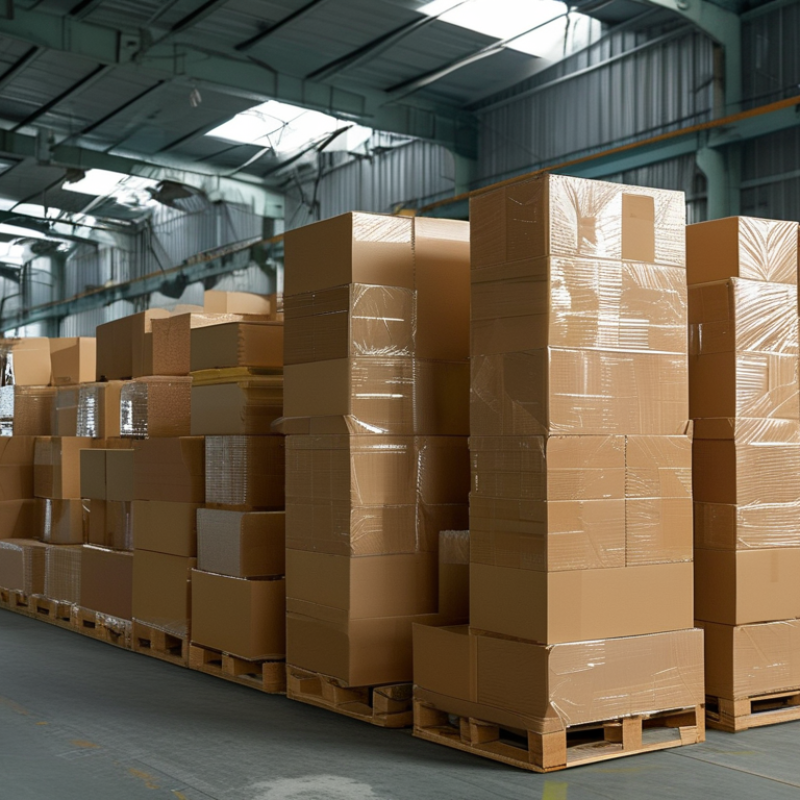
What Are Packing Covers and Why Are They Used?
Packing covers are protective sheets or fitted sleeves placed over cartons, pallets, machinery, and stored goods. They are commonly made from woven polypropylene, polyethylene film, laminated fabric, or breathable textile materials. The right material depends on the cargo, storage period, and handling conditions.
Their main purpose is to reduce exposure to dust, splashes, sunlight, abrasion, and accidental contact. A fitted pallet cover can keep cartons cleaner during forklift movement. A heavier cover may protect furniture or equipment from scratches in a busy warehouse. Some designs include drawstrings, elastic edges, zippers, or reinforced corners. These details improve fit and reduce shifting.
A cover that is too loose can catch on equipment or collect water. One that is too tight may tear around sharp corners. Packing covers are not automatically waterproof, either. This is a frequent purchasing mistake. Buyers should check coating, seam construction, tear strength, UV resistance, and temperature performance before ordering. Ventilation is also important for goods that release moisture, because trapped condensation can damage packaging.
In practical warehouse inspections, damaged covers often reveal poor stacking rather than weak fabric. Sharp edges need padding, and loads must remain stable before covering. Reusable covers can reduce packaging waste, but they require cleaning and routine inspection. Small tears should not be ignored. A cover may look usable while its protective performance has already declined.
China’s Top 10 Packing Covers Manufacturers
China’s Top 10 Packing Covers Manufacturers
China’s top 10 packing covers manufacturers are often evaluated through more than production volume. A dependable supplier should show stable fabric sourcing, consistent stitching, and documented quality checks. Useful products include pallet covers, machine covers, dustproof sheets, and weather-resistant transport covers. Each application demands a different fabric weight and coating.
During supplier evaluation, inspect sample seams, eyelets, hems, and fastening points. These details reveal manufacturing discipline. Ask for test data covering tensile strength, water resistance, color stability, and dimensional tolerance. A professional manufacturer should explain its testing process clearly. It should also provide traceable batch records and practical packaging guidance.
Production capacity matters, but it can be misleading. A large workshop may still struggle with small custom orders. Communication can fail. That matters. Confirm drawings, measurements, folding methods, and carton marks before production begins. One overlooked centimeter may create fitting problems at the warehouse. Material claims should also be checked against samples, not accepted only from a catalog. The strongest manufacturers combine technical experience with responsive service, yet no supplier is perfect. Buyers should compare lead times, inspection procedures, replacement policies, and long-term performance before choosing from China’s leading packing covers manufacturers.
China’s Top 10 Packing Covers Manufacturers
The chart compares representative basis-weight benchmarks commonly used for major packing-cover materials. Higher basis weight generally indicates a thicker or heavier cover, while the actual specification varies according to load capacity, moisture protection, printing, and end-use requirements. The comparison is product-based and does not represent individual companies or brands.
How to Choose the Right Chinese Manufacturer for Your Needs
Choosing among China’s top packing covers manufacturers requires more than comparing online rankings. Start with your product’s material, dimensions, load requirements, and expected production volume. A reliable manufacturer should explain fabric weight, stitching methods, closure options, and protective treatments clearly. Ask for recent samples, not only catalog photos. Check whether the sample matches the final quotation.
Factory experience matters when covers face moisture, dust, friction, or repeated handling. Request quality records, material traceability, and inspection procedures. If possible, review the production floor through a video call or an independent audit. Confirm equipment capacity, lead times, minimum order quantities, and packaging details. Clear answers usually reveal stronger process control. Vague promises deserve caution.
Tips: Compare at least three quotations using the same specification sheet. Test samples in realistic conditions, including folding, pulling, and storage. Check stitching after repeated use. Ask how defects are handled and recorded. Communication also matters; a supplier who confirms changes in writing reduces costly misunderstandings. I once focused too heavily on unit price and overlooked replacement costs. That was a poor decision. No checklist is perfect, so leave room for pilot orders and honest review. A manufacturer may look capable online but struggle with consistency during peak production. Small trial orders can expose that weakness early.
