
Top 10 Benefits of Using a 2 Ton Overhead Crane for Your Business?
In today's industrial landscape, efficiency and safety are paramount. The 2 ton overhead crane stands out as a reliable solution for various lifting needs. According to the American Society of Mechanical Engineers (ASME), cranes play a crucial role in enhancing operational safety and productivity. With proper implementation, companies can reduce workplace injuries by up to 40%.
A 2 ton overhead crane not only streamlines heavy loads but also minimizes strain on workers. Industries that adopt this equipment report a 20% increase in operational efficiency. Data from the Occupational Safety and Health Administration (OSHA) reveals that equipment accidents account for a significant portion of workplace injuries. Hence, investing in a quality overhead crane becomes essential for maintaining a safe environment.
Moreover, the versatility of a 2 ton overhead crane can enhance workflow in manufacturing and warehousing. However, it's important to recognize potential challenges. Issues like crane maintenance and operator training require ongoing attention. Regular assessments can help ensure that the equipment meets industry standards. Therefore, understanding the benefits of a 2 ton overhead crane is vital for any business aiming to improve their lifting operations.
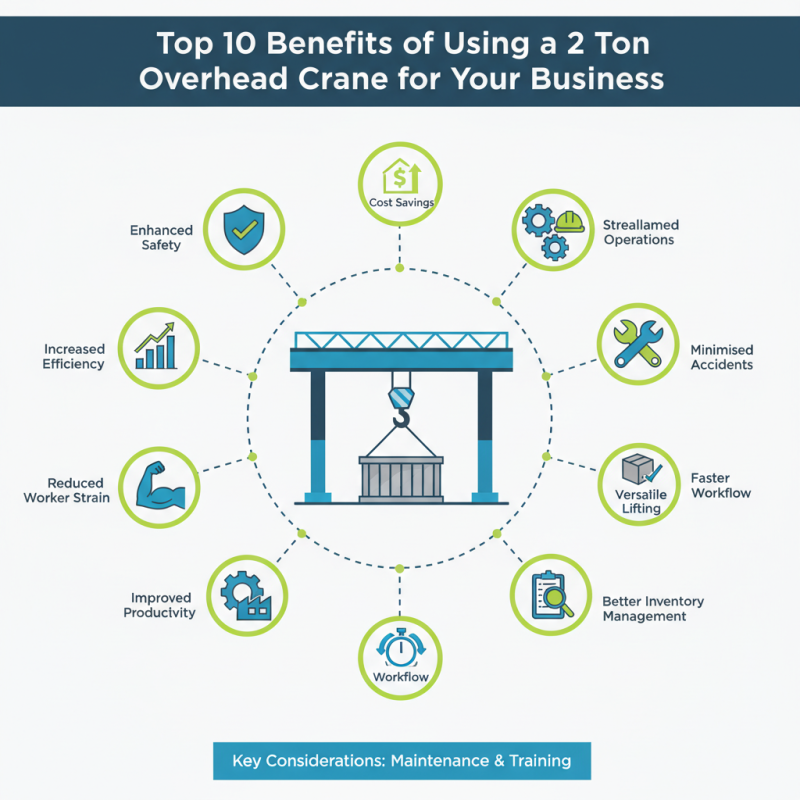
Advantages of Enhanced Lifting Capacity with a 2 Ton Overhead Crane
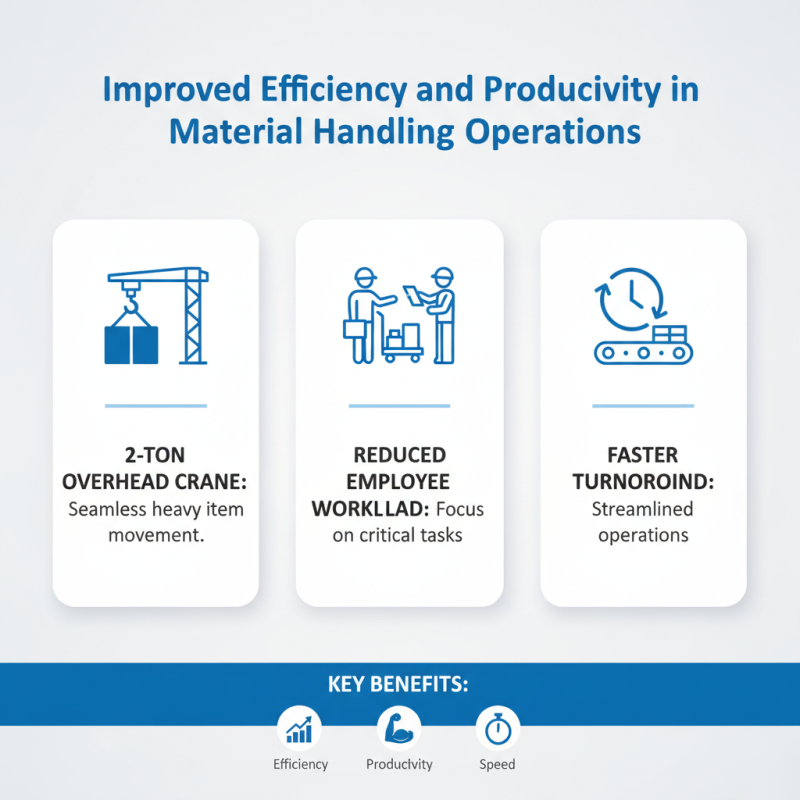
An overhead crane with a 2-ton lifting capacity can significantly enhance efficiency in various industries. With its ability to move heavy items quickly, businesses can streamline operations. This crane reduces the time spent on manual lifting. Less downtime translates to increased productivity. Workers can focus on more critical tasks rather than hauling materials.
In terms of safety, a 2-ton overhead crane minimizes the risk of injuries. Lifting heavy loads manually often leads to accidents. Relying on machinery limits exposure to such dangers. Enhanced lifting capacity means more items can be moved in a single operation. This leads to better workflow. Workers appreciate these safety benefits and often feel more secure on the job.
However, it’s essential to ensure the crane is operated correctly. Improper use can lead to accidents. Regular training for staff is crucial. Regular inspections of the machinery also help in maintaining safety standards. Overall, while the advantages of a 2-ton overhead crane are clear, careful consideration is needed regarding its operation and upkeep.
Top 10 Benefits of Using a 2 Ton Overhead Crane for Your Business
| Benefit | Description | Impact on Business |
|---|---|---|
| Enhanced Safety | Reduces the risk of workplace accidents by providing stable and controlled lifting. | Improves employee confidence and reduces injury-related costs. |
| Increased Efficiency | Allows for quicker lifting and moving of materials compared to manual handling. | Speeds up production processes and reduces downtime. |
| Improved Space Utilization | Overhead cranes take up less floor space than traditional forklifts. | Maximizes usable floor area for storage or production. |
| Greater Versatility | Capable of lifting various types of loads including heavy and awkward shapes. | Accommodates a wider range of applications without additional equipment. |
| Reduced Labor Costs | Lifts heavy loads that would normally require multiple workers. | Lowers workforce expenses while maintaining productivity. |
| Enhanced Precision | Provides accurate positioning of loads with minimal effort. | Reduces product damage and improves operational accuracy. |
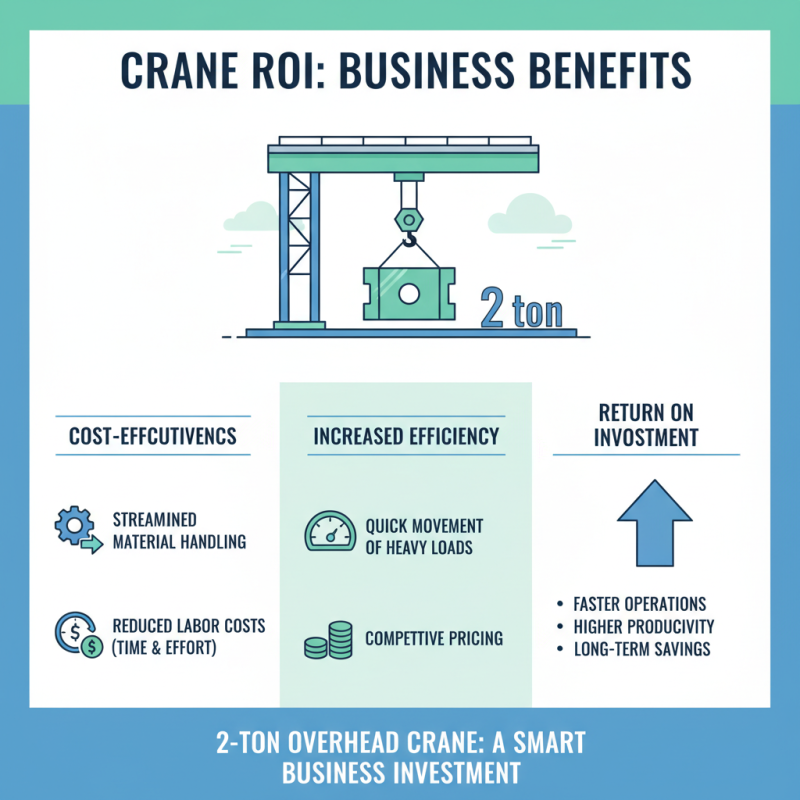
| Long-Term Investment | Durable and designed for long-term use, offering excellent return on investment. | Decreases need for frequent equipment replacement and repairs. |
| Easier Maintenance | Simple maintenance procedures help keep the crane in top condition. | Reduces maintenance costs and prolongs equipment life. |
| Customization Options | Can be tailored to fit specific business needs and applications. | Increases efficiency and effectiveness in unique operational settings. |
| Improved Workflow | Streamlines the movement of materials throughout the facility. | Creates a more organized work environment leading to higher output. |
Related Posts
-
Top 5 Benefits of Using a 2 Ton Gantry Crane for Your Projects
-
2026 Top Types of 2 Ton Overhead Crane You Need to Know?
-
How to Choose the Right 10 Ton Overhead Crane for Your Operations?
-
How to Choose the Right Small Gantry Crane for Your Needs?
-
2026 Best 2 Ton Gantry Crane Buying Guide and Tips?
-
2026 How to Choose the Best 2 Ton Overhead Crane for Your Needs?