Top 10 Benefits of Using Small Gantry Cranes for Your Business?
In today's competitive market, businesses continuously seek efficient solutions to enhance operations. One such solution is the small gantry crane. This versatile lifting device offers significant advantages across various industries.
A small gantry crane provides flexibility and ease of use in tight spaces. Its compact design allows it to navigate areas where traditional cranes cannot fit. Many businesses have noted an improvement in productivity with their use. These cranes can be used for tasks ranging from manufacturing to construction, making them invaluable.
However, it’s essential to approach this equipment thoughtfully. Not every operation requires a small gantry crane. Assessing your specific needs and workspace is crucial. While they have many benefits, there may be limitations in their load capacity or height. Understanding these aspects can lead to informed decisions that enhance your operations without unnecessary challenges.
Understanding Small Gantry Cranes: Definition and Types
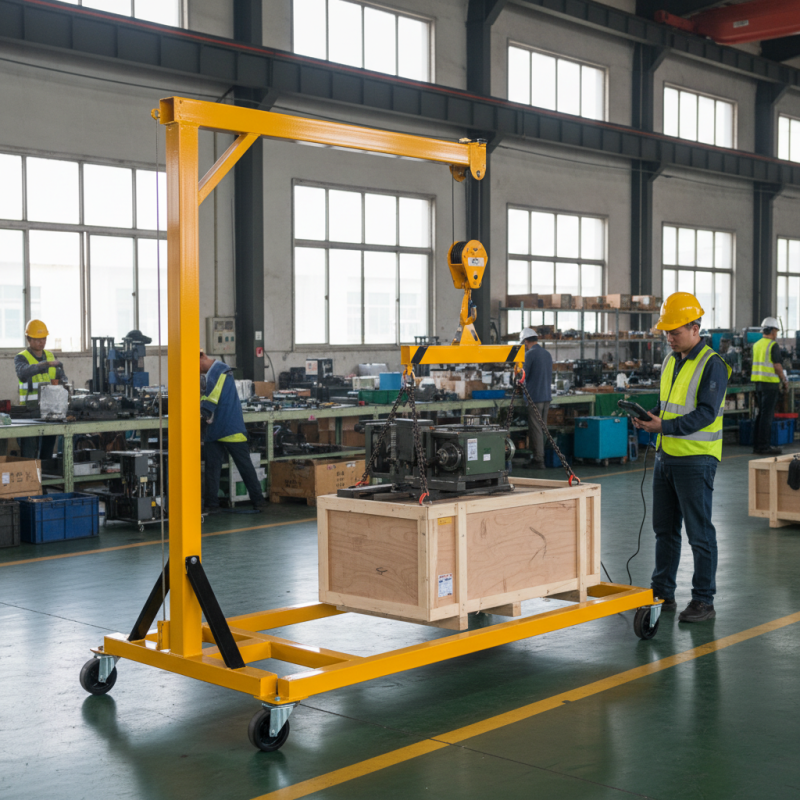
Small gantry cranes are versatile lifting devices commonly used in various industries. They provide an effective solution for moving heavy materials in limited spaces. To understand small gantry cranes better, we need to explore their
definition and types. A gantry crane typically consists of a frame with a hoist that moves along a beam, allowing for a range of motion.
There are several types of small gantry cranes available.
Manual gantry cranes are economical and easy to use. They are ideal for smaller operations.
Electric-powered models offer more lifting capacity and speed. They can handle loads more effectively in high-demand environments.
According to a market report by Grand View Research, the crane market is estimated to reach $50 billion by 2025, showing the growing reliance on such equipment.
However, using small gantry cranes isn’t without challenges. Proper training is crucial to avoid workplace accidents. A study by the National Safety Council highlights that about 22% of crane-related injuries occur due to improper handling.
Regular maintenance is also critical to ensure safety and efficiency. Despite these points, when used correctly, small gantry cranes significantly enhance productivity in various applications.
Improved Maneuverability: Advantages of Compact Design
Small gantry cranes bring remarkable maneuverability to various work environments. Their compact design allows for easy navigation in tight spaces. This adaptability means you can effectively utilize every inch of your workspace. Operations that were once cumbersome become streamlined and efficient. Moving materials becomes less of a chore, improving daily workflows.
With a small footprint, these cranes can fit into areas that larger cranes cannot. Imagine lifting loads in narrow aisles or crowded warehouses. Workers can position the crane precisely where it’s needed. This reduces downtime and increases productivity. However, the compact nature can pose a challenge for stability when handling heavier loads. Operators must be skilled and cautious to avoid accidents.
Additionally, the versatility of small gantry cranes enables them to serve a variety of industries. From manufacturing to construction, the advantages are clear. They can adapt to different tasks quickly. Yet, relying solely on their compact size may limit lifting capacities. Continuous training and safety assessments are essential. Proper usage and understanding of their limits are crucial for maximizing their benefits.
Cost-Effectiveness: Saving Money with Small Gantry Cranes
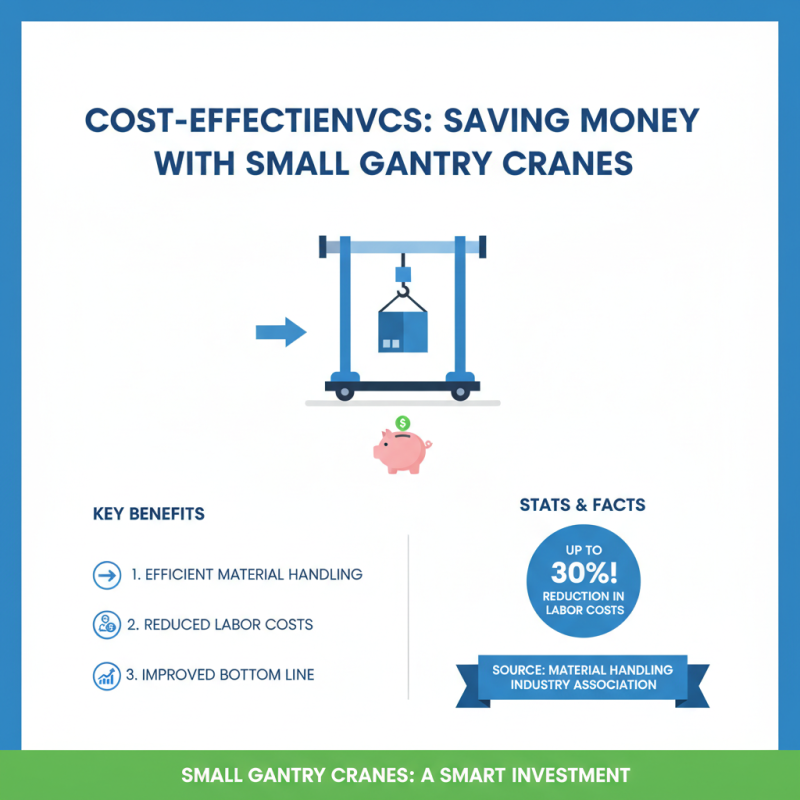
Small gantry cranes have emerged as a cost-effective solution for many businesses. They provide the ability to lift and transport materials efficiently within a workspace. In fact, a report by the Material Handling Industry Association notes that using gantry cranes can reduce manual labor costs by up to 30%. This significant saving is crucial for companies aiming to improve their bottom line.
Investing in small gantry cranes also involves lower operational costs. Their design allows for easy installation and minimal maintenance. According to a study by the Occupational Safety and Health Administration, properly maintained cranes can last well over 20 years. However, the initial investment can be a drawback for small businesses. They must weigh the costs against potential savings.
Additionally, small gantry cranes enhance workspace versatility. They can be repositioned and adjusted to fit various tasks. This flexibility may lead users to increase productivity, translating to higher profits. Yet, not all companies might fully utilize their features. Employees need training to maximize operational efficiency. Proper training is essential for leveraging the benefits of these cranes effectively.
Enhanced Safety Features: Reducing Workplace Hazards
Enhanced safety features are a significant advantage of small gantry cranes. These cranes often come equipped with automatic braking systems. This technology helps prevent accidents during load handling. Additionally, many models have improved visibility angles, ensuring operators can see their surroundings clearly. Reduced blind spots can significantly lower the risk of collisions in busy workspaces.
Another notable safety feature is the inclusion of overload protection systems. These systems prevent cranes from lifting loads that exceed their capacity, minimizing the likelihood of equipment failure. It's also essential to maintain clear communication among workers when using these cranes. Establishing signals or using walkie-talkies fosters a safer environment.
Despite these advancements, it's crucial for businesses to provide training for operators. Understanding the machine's limitations is vital. Operators should also be encouraged to report any safety concerns. This proactive approach can enhance workplace safety further. Regular maintenance checks are equally important. They ensure that all safety features are functioning correctly.
Top 10 Benefits of Using Small Gantry Cranes for Your Business - Enhanced Safety Features: Reducing Workplace Hazards
| Benefit |
Description |
Impact on Safety |
| Improved Stability |
Small gantry cranes have a low center of gravity, enhancing their stability during operation. |
Reduces risk of tipping over, ensuring safe lifting practices. |
| Versatile Design |
Can be customized for various lifting needs and environments. |
Minimizes the need for manual lifting, lowering injury risks. |
| User-Friendly Controls |
Easy-to-use control systems reduce the complexity of crane operation. |
Decreases the chance of operator error, enhancing workplace safety. |
| Lightweight Construction |
Made from durable, lightweight materials for easy mobility. |
Easier to reposition, reducing the risk of accidents when changing setup. |
| Enhanced Visibility |
Often designed with features that improve operator visibility. |
Promotes safer lifting operations by preventing collisions. |
| Reduced Noise Levels |
Operates quietly, minimizing noise pollution in the workspace. |
Creates a calmer work environment, promoting better focus and safety. |
| Quick Setup |
Easily assembled for immediate use without complex tools. |
Less time in setup means reduced exposure to hazards. |
| Safety Features |
Incorporate safety features like overload protection and emergency stops. |
Significantly reduces the risk of accidents during operation. |
| Height Adjustability |
Can be adjusted for different lifting heights, accommodating various loads. |
Ensures safe handling of materials across different working environments. |
| Cost Effectiveness |
Affordable options provide safe lifting solutions without high investment. |
Better financial management while maintaining safety standards. |
Increased Efficiency: Streamlining Operations with Reliable Tools
Small gantry cranes offer a unique solution for enhancing operational efficiency. Many businesses report increased productivity after integrating these tools. With a compact design, they fit seamlessly into various workspaces. This adaptability allows teams to move items quickly and safely, reducing downtime during crucial operations.
Using small gantry cranes can streamline logistics. They enable easy lifting of heavy materials, which can reduce the strain on workers. This leads to fewer injuries and promotes a safer work environment. However, it's vital to assess the load capacity and workspace dimensions. Not every operation is optimized for crane use.
While these cranes provide numerous benefits, user training is essential. Proper training ensures equipment is operated effectively. Workers must understand weight limits and best practices. A lack of training could lead to mishandling, resulting in accidents. This highlights the need for ongoing evaluation and reflection on their use in daily operations.