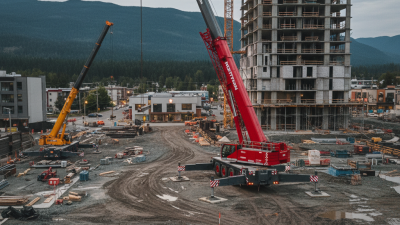
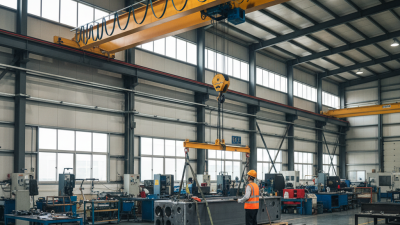
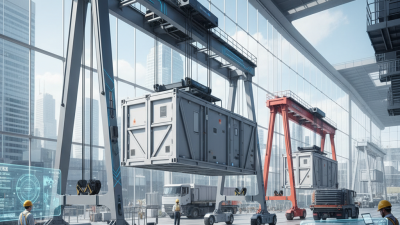
What Are the Top Crawler Crane Types for 2026?
Choosing the right crawler crane in 2026 requires more than comparing maximum lifting capacity. Project conditions, transport limits, ground pressure, and setup time often decide real productivity. A machine that lifts 500 tonnes may still be unsuitable for a restricted industrial site. Mud, uneven terrain, and overhead obstructions can change the decision quickly. Details matter.
This guide examines leading crawler crane types, including lattice-boom, telescopic-boom, compact, and heavy-duty duty-cycle models. Each design serves a different purpose, from wind-turbine components to bridge sections and refinery modules. The best option is not always the largest. Reliable selection starts with measurable site information. Experienced planners review load charts, lifting radius, boom length, soil bearing capacity, travel routes, and assembly requirements. They also check counterweight logistics, fuel use, operator visibility, and after-sales support. These factors can expose costs hidden behind an attractive rental rate.
Manufacturers’ specifications provide a foundation, but field experience tests those figures under pressure. A crane may perform differently after rain or on a congested schedule. That reality deserves attention. This 2026 overview compares crawler crane configurations by lifting range, mobility, versatility, efficiency, and practical limitations. It does not pretend one ranking fits every project. Some conclusions remain debatable, especially as electric drives, remote monitoring, and emissions expectations develop. Still, careful comparison can reduce downtime and support safer planning.
Crawler Crane Basics and Its Role in 2026 Construction
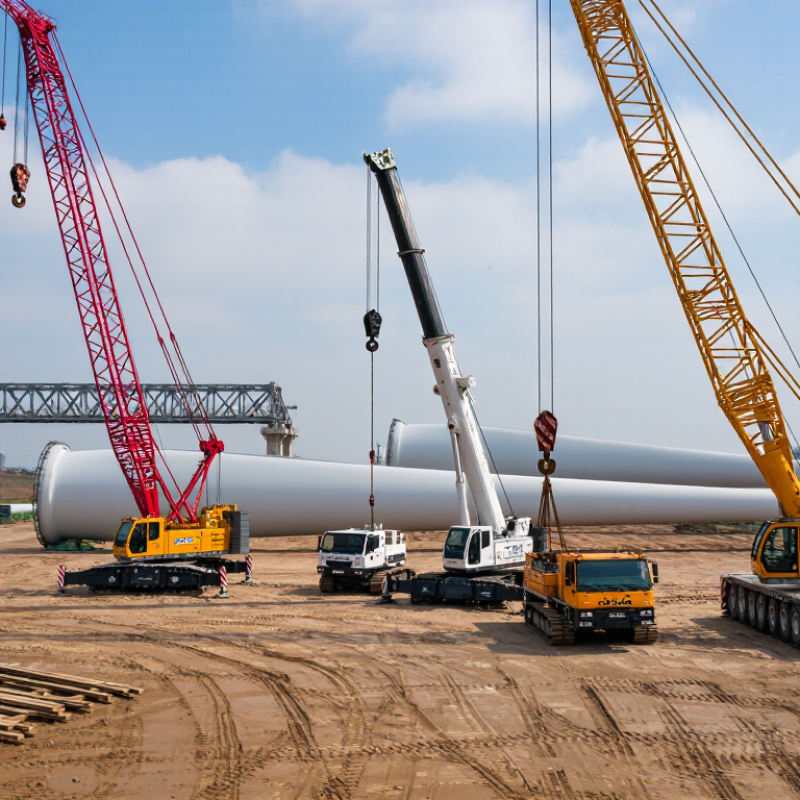
Crawler cranes remain essential for 2026 construction because they combine lifting strength with stable movement across prepared sites. Unlike truck-mounted cranes, they travel on crawler tracks and distribute weight over a wider ground area. This reduces pressure on soil, although it does not remove the need for ground testing.
The main types include lattice-boom, telescopic-boom, and compact crawler cranes. Lattice-boom models suit tall structures, bridge work, and heavy lifts requiring long working distances. Their boom sections are assembled on site, which takes time but offers strong capacity. Telescopic-boom cranes extend through hydraulic sections and support faster setup near changing work zones. Compact crawler cranes fit tighter urban projects, indoor facilities, and restricted access areas. Small does not mean simple.
In 2026, contractors are selecting cranes through detailed lift planning rather than capacity charts alone. They review load radius, wind exposure, ground bearing pressure, transport routes, and nearby structures. Digital monitoring can improve operator awareness, but experienced supervision remains necessary. A sensor may identify overload risk; it cannot judge every unstable surface. On practical sites, poor access often causes more delay than lifting power. I have found that early ground surveys prevent expensive repositioning, yet some plans still underestimate drainage and buried services. The safest choice is not always the largest crane. It is the machine that matches the lift, terrain, schedule, and crew competence.
Main Criteria for Classifying Crawler Crane Types
What Are the Top Crawler Crane Types for 2026?
Crawler crane types are best classified by their boom design, lifting capacity, and working environment. Lattice-boom cranes use sectional steel members for tall, heavy lifts. Telescopic-boom cranes extend through hydraulic sections and suit changing work areas. Compact crawler cranes fit narrow sites, indoor projects, and restricted access routes. These categories describe function, not quality.
Capacity remains a practical dividing line. Light crawler cranes may handle utility work and small structural components. Heavy-lift models move bridge sections, industrial vessels, and large prefabricated frames. Engineers must review the load chart, boom length, radius, and counterweight arrangement together. A crane rated for 100 tonnes may lift far less at a long radius. That detail is easy to miss.
Ground conditions also shape the classification. Wide crawler tracks reduce pressure on soft soil, while narrow tracks improve access but may increase ground stress. Electric drive systems can reduce local emissions, although charging access may limit productivity. Hydraulic controls offer precise movement, yet operator skill still matters. Site planners should check wind limits, transport dimensions, assembly space, and emergency procedures. A simple label can mislead. Field conditions often change after the equipment arrives, so the original selection deserves another review.
Telescopic Crawler Cranes for Flexible Jobsite Operations
In 2026, telescopic crawler cranes remain a practical choice for flexible jobsite operations. Their telescopic booms extend without lattice assembly, saving setup time near buildings, bridges, and utility corridors. Steel crawler tracks distribute machine weight across soft or uneven ground. That matters. Crews can reposition the crane while keeping a controlled work area.
A telescopic crawler crane suits projects requiring frequent radius changes. Operators can place concrete panels, steel frames, or mechanical equipment from compact positions. However, boom length alone does not determine lifting performance. The rated load chart, working radius, ground pressure, and counterweight configuration require careful review. Outriggers may be unnecessary, but timber mats or engineered platforms can still protect weak surfaces. Wind conditions also deserve attention when the boom is fully extended.
Field planning often reveals an uncomfortable truth: flexibility can encourage rushed decisions. A crane may reach the load, yet lack sufficient capacity at that radius. Site teams should verify lift paths, overhead clearances, access routes, and daily ground conditions before mobilization. Digital planning tools improve accuracy, but they cannot replace an experienced operator’s judgment. Small errors in level, rigging angle, or load weight can reduce the available margin quickly. Choosing a telescopic crawler crane should therefore balance reach, transport limits, maintenance access, and the crew’s actual operating experience.
Compact Crawler Cranes for Confined and Urban Worksites
What Are the Top Crawler Crane Types for 2026?
Compact crawler cranes are becoming practical choices for confined and urban worksites. Their narrow undercarriages can pass through gates, alleys, and unfinished building entrances. Mini crawler cranes suit indoor steel placement, glass installation, maintenance, and lightweight structural lifting. Some models measure less than two meters wide, but exact dimensions vary by configuration.
Telescopic-boom crawler cranes offer useful reach where setup space is restricted. Operators can extend the boom without assembling lattice sections on crowded streets. Electric-powered versions also reduce local exhaust emissions and operating noise. That matters near hospitals, offices, residential towers, and active public areas. Remote controls can improve visibility when walls or columns block the operator’s direct view.
Choosing the right type requires more than checking maximum lifting capacity. Ground pressure, tail swing, hook height, and transport width often decide whether a crane works safely. I have seen compact equipment selected correctly for weight, yet poorly matched to soft paving or limited overhead clearance. That mistake can disrupt an entire shift. A detailed site survey should record floor strength, access routes, turning points, wind exposure, and nearby obstacles. Smaller does not mean simpler. Compact crawler cranes still need disciplined planning, trained operators, verified load charts, and frequent communication with the site team.