2026 Top Gantry Crane Features Buyers Should Know?
In the world of heavy lifting and logistics, a gantry crane stands out as an essential tool. These cranes are widely used across industries, from construction sites to shipping yards. Understanding their features can boost efficiency and safety significantly.
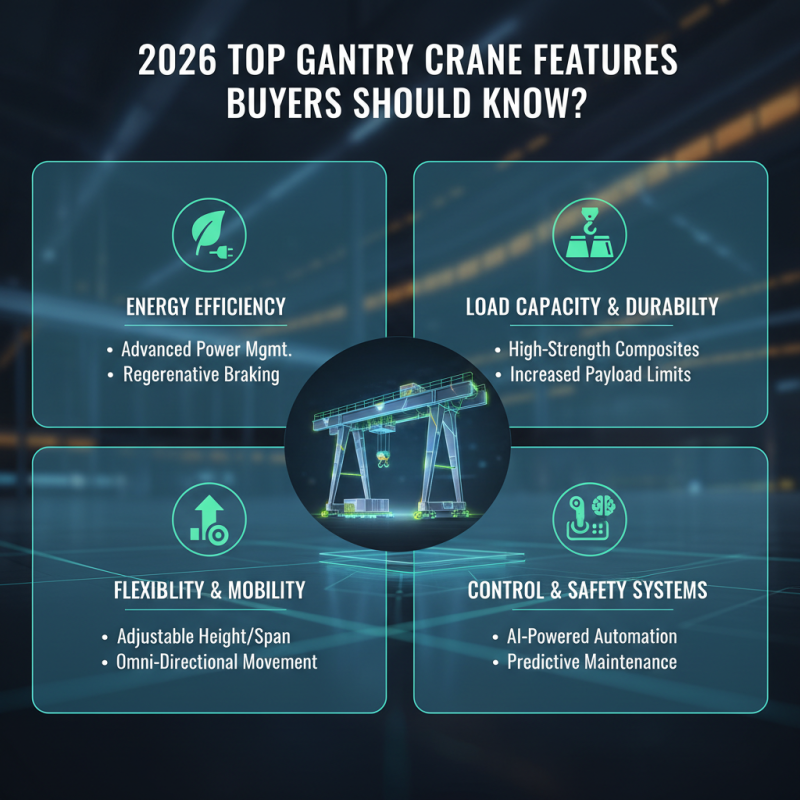
In 2026, several innovations have emerged in gantry cranes. These features not only enhance performance but also ensure durability. Buyers should be aware of advancements that address energy efficiency and load capacity. It’s vital to assess the material quality and design, as these elements affect long-term reliability.
Investing in a gantry crane requires careful consideration. Features like adjustable heights, mobility options, and control systems should be examined closely. Each choice impacts operational flexibility and user experience. Reflecting on these details helps buyers make informed decisions. In the end, the right gantry crane could transform how projects are managed.
Key Features of Gantry Cranes to Consider in 2026
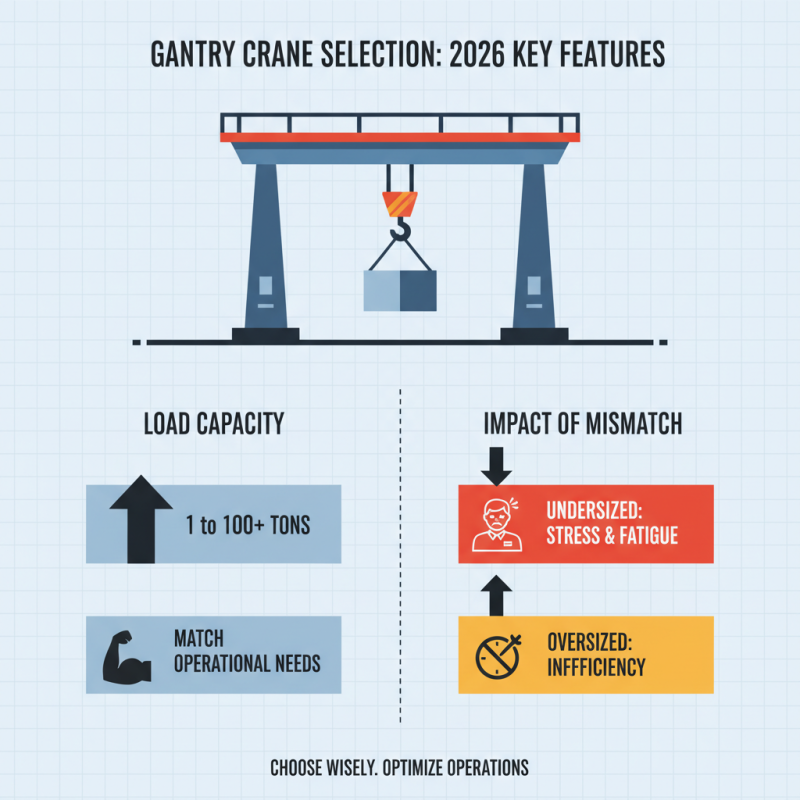
When considering gantry cranes in 2026, buyers should focus on a few key features. Load capacity remains crucial. Most gantry cranes can handle loads ranging from 1 to over 100 tons. Understanding the specific requirements of your operation is vital. A crane that’s too weak can cause stress and fatigue on workers. Conversely, an oversized crane can lead to inefficient operations.
Another important feature is mobility. Many models offer adjustable heights and widths. This flexibility allows for better adaptation to different tasks. Some cranes come with wheels for an easy lift-and-transport process. However, ensure that the wheels can withstand the environment, especially in outdoor settings.
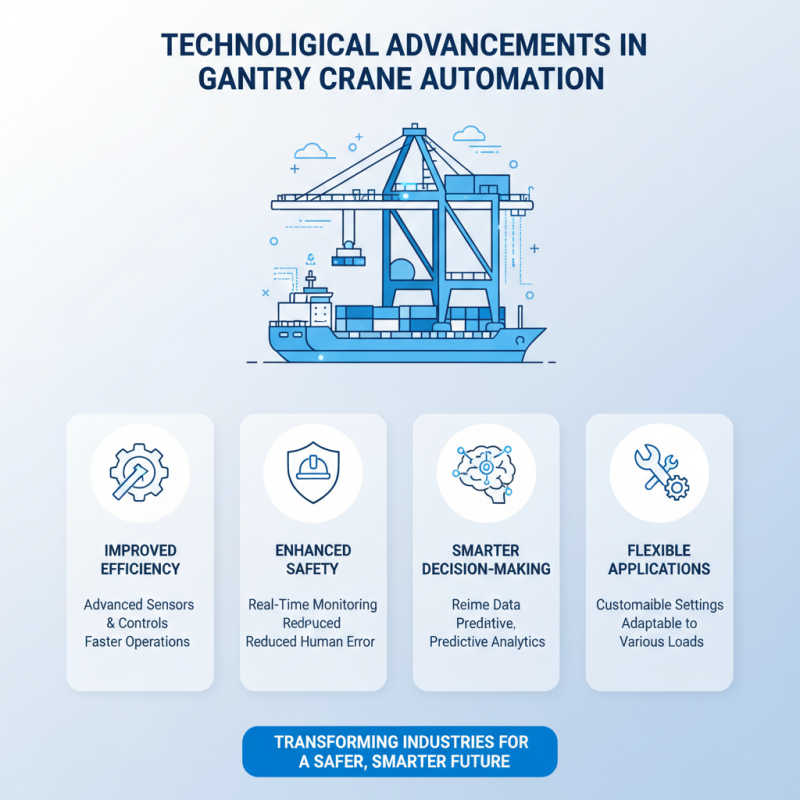
Safety features are non-negotiable. Look for cranes with overload protection systems and emergency shut-off buttons. These features are important for preventing accidents. Regular maintenance can enhance safety but can also be easily overlooked. Investing time in training staff on proper usage is another vital aspect that shouldn’t be ignored. The right combination of technology and human oversight ensures efficiency and promotes a safe working environment.
Importance of Load Capacity and Weight Limitations for Buyers
Load capacity and weight limitations are critical factors in gantry crane selection. Proper understanding can significantly impact safety and efficiency. Industry reports indicate that improper load handling causes about 30% of workplace accidents in material handling. Buyers must be aware of the maximum load a crane can handle without compromising safety.
For instance, a gantry crane with a load capacity of 10 tons must not be overloaded. Exceeding this limit can lead to structural failure. The American Society of Mechanical Engineers (ASME) emphasizes the importance of adhering to manufacturer specifications. It is vital for buyers to check compliance with relevant industry standards, as violations can lead to costly fines.
Lack of awareness regarding weight limits can compromise operational integrity. Buyers should ensure that their cranes can accommodate not just loads, but dynamic stresses as well. Selecting a model without thorough evaluation may result in inadequate performance. This mistake could lead to downtime and additional costs. Understanding load dynamics enhances decision-making and minimizes risks in crane operations.
Safety Features and Standards to Look for in Gantry Cranes
When selecting a gantry crane, safety features are crucial. According to the International Organization for Standardization (ISO), compliance with ISO 4301 ensures that gantry cranes meet essential safety and performance standards. Buyers should prioritize cranes equipped with reliable overload protection systems. These systems prevent accidents by alerting operators when the load exceeds the crane's capacity. It's a critical feature that can significantly reduce the risk of mechanical failure.
Additionally, visual indicators and warning systems should not be overlooked. Studies show that cranes with enhanced visibility features lead to a 30% reduction in accidents. Features like LED lights and audible alarms can help improve operator awareness in busy environments. It emphasizes that attention to detail in safety design is non-negotiable.
While modern gantry cranes often include advanced safety functions, buyers must remain vigilant. Not all cranes adhere to the highest safety standards. Some may lack features that ensure worker protection. Regular audits and inspections therefore play an indispensable role. Remaining proactive about safety standards is as vital as choosing the right equipment.
Customization Options for Specific Industrial Applications
When considering gantry cranes for your industrial needs, customization plays a vital role. Each application varies significantly based on unique requirements. Companies must carefully evaluate their specific tasks. Factors such as load capacity and operational space are crucial. Tailored designs can lead to enhanced efficiency and safety.
For example, a manufacturing facility might need a smaller crane with precise controls for delicate components. On the other hand, a construction site may require a robust model capable of lifting heavy materials. These variations highlight the importance of discussing specifications with experts. Custom features may include adjustable height settings or specialized hoisting mechanisms.
Many buyers overlook the importance of these personalized options. While standard models are available, they might not address specific challenges faced in certain environments. A thorough analysis of operational demands will often reveal the need for customization. Investing time in understanding these details can save money and improve productivity in the long run.
2026 Top Gantry Crane Features Buyers Should Know