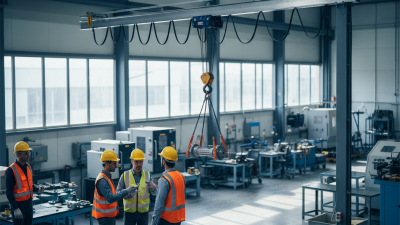
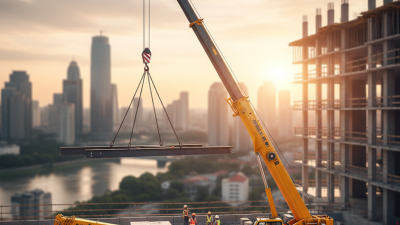
The construction industry is on the brink of a transformation. Innovations in small mobile cranes are essential for enhancing efficiency. According to a recent report by the Global Construction Equipment Market, the demand for mobile cranes is expected to grow by 6.6% annually through 2026. This growth underscores the importance of small mobile cranes as they provide versatility in tight spaces.
Small mobile cranes have proven to be indispensable in urban settings. They facilitate operations in crowded environments where traditional cranes cannot reach. With advancements like improved lifting capacities and automation features, these cranes are set to redefine construction workflows. Yet, the industry's reliance on heavy machinery raises reflections on safety and sustainability.
As we delve into the innovations of 2026, we must acknowledge both the benefits and challenges. Innovations may not always align with user needs or safety regulations. Keeping abreast of these developments is crucial for ensuring that small mobile cranes remain effective tools in modern construction. Observing these aspects will provide a comprehensive view of the future landscape.
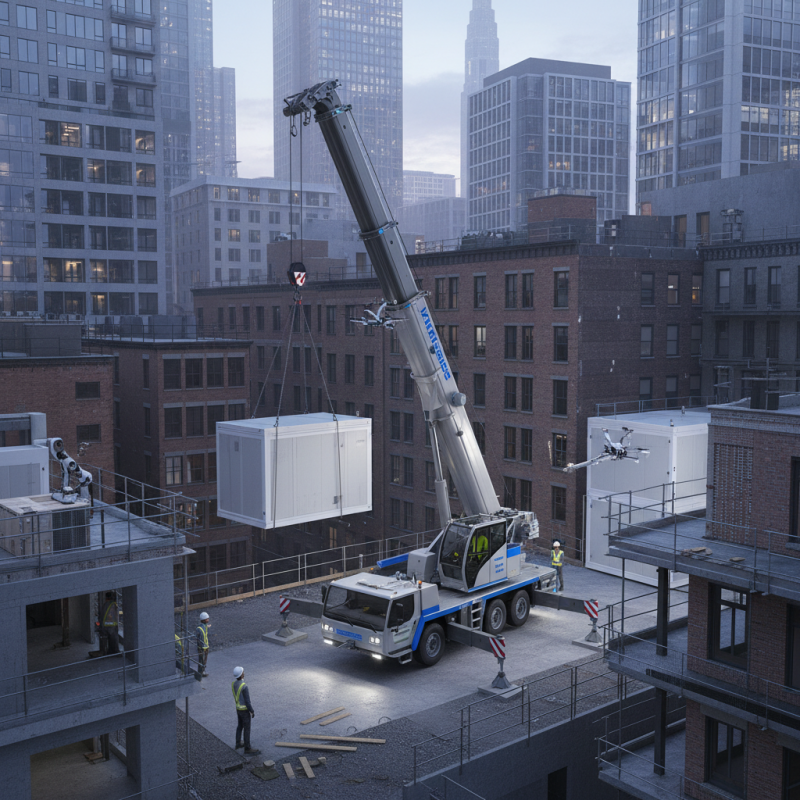
As the construction industry evolves, mobile cranes are transforming to meet new demands. The global mobile crane market is projected to reach $6.75 billion by 2026, with innovations focusing on efficiency and safety. Advanced sensors are now integral, enhancing the cranes' interaction with their environment. This technology allows for real-time data analysis, providing operators with crucial insights.
In 2026, we can expect lightweight materials to make mobile cranes more versatile. These cranes will not only be easier to transport but also increase fuel efficiency. Nevertheless, industry experts still caution against the reliance on automation. While technology reduces human error, it can also create new challenges. Operators must balance technical advancement with their skills to ensure safety on sites.
The integration of electric power solutions is another exciting development. Reports suggest that electric cranes could save up to 30% in operational costs. However, there are concerns about charging infrastructure in remote areas. The industry must address these challenges to fully leverage the benefits of electric mobility. The journey toward innovation is not without its bumps, and stakeholders need to remain vigilant.
| Innovation Feature | Description | Impact on Operations | Expected Adoption Rate |
|---|---|---|---|
| Telematics Integration | Real-time data tracking for efficiency analysis. | Improves decision-making and reduces downtime. | 75% |
| Electric-Powered Models | Lower emissions with enhanced energy efficiency. | Reduces operational costs and promotes sustainability. | 60% |
| Compact Design | Smaller footprint allows access to tight spaces. | Increases versatility on various job sites. | 70% |
| Enhanced Safety Features | Advanced sensors and alarms for operator safety. | Reduces accidents and enhances operator confidence. | 80% |
| AI-Powered Control Systems | Automates operations for improved precision. | Increases loading accuracy and efficiency. | 65% |
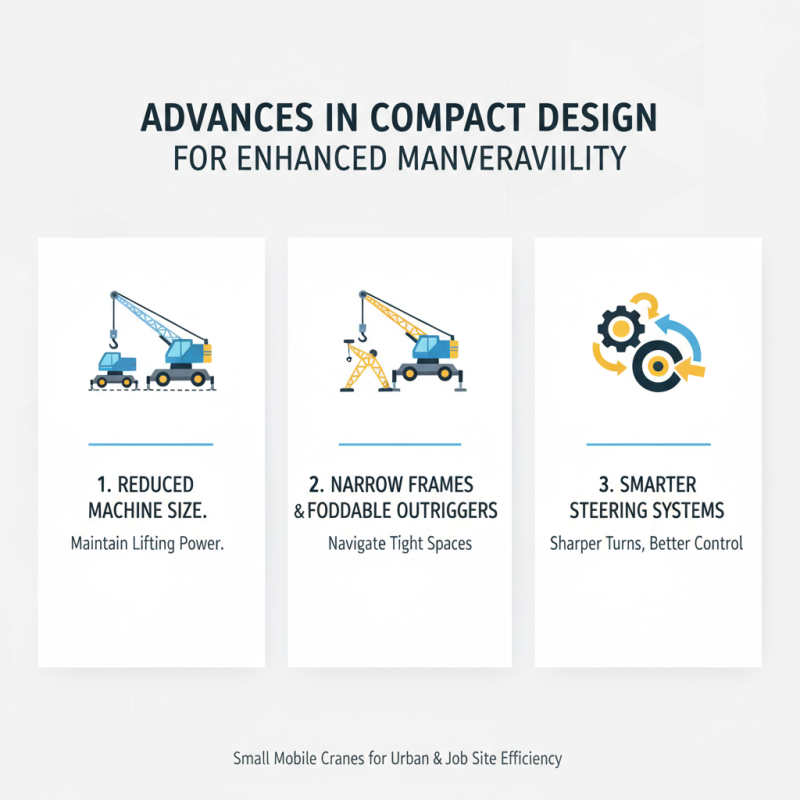
Compact design advancements are reshaping small mobile cranes in construction. Engineers focus on reducing machine size without sacrificing lifting power. Narrow frames and foldable outriggers are common features. These innovations enable cranes to navigate tighter job sites and urban areas efficiently. Maneuverability improves with smarter steering systems that allow sharper turns and better control on uneven terrain.
Material improvements also play a role. High-strength lightweight alloys reduce overall crane weight. This makes transportation easier and increases fuel efficiency. Yet, lighter cranes may face stability challenges under heavy loads. Balancing strength and compactness requires ongoing testing and innovation. Operators may need more training to handle these agile but potentially less stable machines.
Another key change is intuitive control interfaces. Digital dashboards provide real-time feedback on load weights and positioning. Sensors alert operators to potential tipping or obstacles. Despite these advances, technology can malfunction in harsh conditions. Reliability in extreme weather still needs attention. These small cranes promise greater site access but also demand cautious handling and careful monitoring by skilled professionals.
The construction industry is embracing a shift toward sustainability.
Small mobile cranes are at the forefront of this change. These innovations are designed not just for efficiency but also for environmental responsibility.
The integration of electric power sources is reducing reliance on fossil fuels.
This move signifies a commitment to greener construction practices.
Many new models feature lightweight materials that contribute to better fuel efficiency.
However, the challenge lies in maintaining strength and durability.
Some designs may sacrifice stability for lighter construction. This can lead to safety concerns, especially in heavy-lifting scenarios.
Striking the right balance between weight and performance is crucial.
Additionally, developers are incorporating smart technologies into small cranes.
These features improve energy use and enhance operational efficiency. Yet, there are still questions about the long-term viability of these technological enhancements.
As the industry evolves, finding reliable solutions that address both performance and sustainability remains a work in progress.
Embracing change is key, but careful consideration is essential.
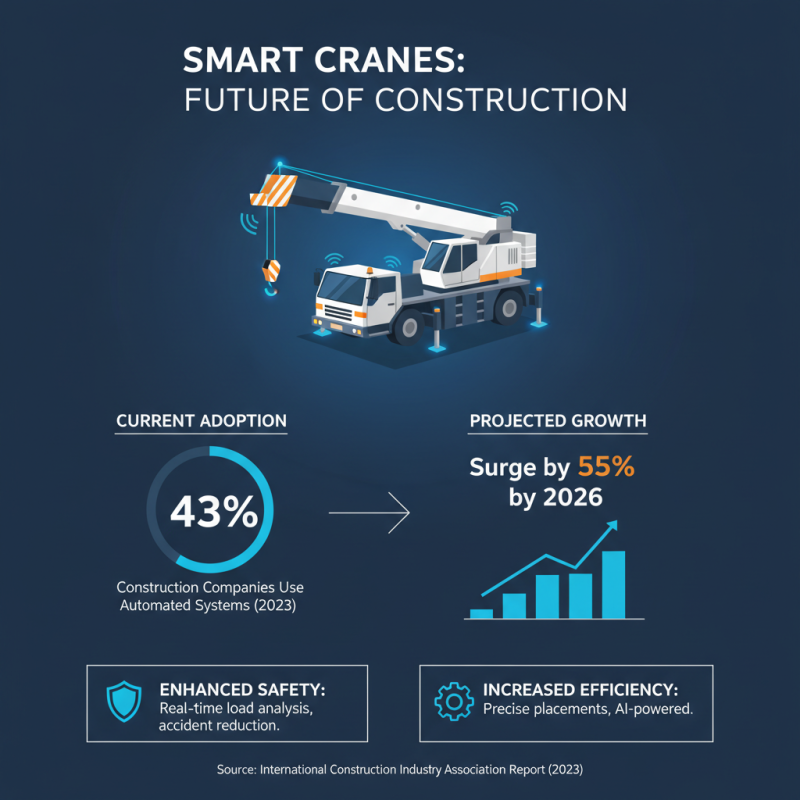
The integration of smart technology in mobile cranes is transforming the construction industry. According to a recent report by the International Construction Industry Association, around 43% of construction companies are already using automated systems. This trend is projected to surge by 55% by 2026. Smart cranes, equipped with sensors and AI, enhance safety and efficiency on job sites. They can analyze loads in real time, reducing the chances of accidents and ensuring precise placements.
Consider implementing telematics in your mobile cranes. This technology tracks equipment health and usage patterns, helping in predictive maintenance. Reports show that companies using telematics can reduce maintenance costs by 15%. However, not all companies are fully equipped to handle these innovations. There’s a steep learning curve, and workers may need training to adapt to automated systems. Regular workshops can help bridge this gap, but they require time and investment.
As smart technology evolves, keeping pace with it is crucial. The construction industry must address cybersecurity risks as more cranes connect to networks. While innovation brings significant benefits, potential vulnerabilities also demand careful consideration. Balancing advancement with security remains a challenge many companies face. Emphasizing ongoing training and risk assessment can help ensure that the integration of smart technology fortifies rather than complicates operations.
As the construction industry evolves, so do safety enhancements and operator training for cranes. Authorities are increasingly emphasizing the importance of safety protocols. New technologies, such as virtual reality training programs, are gaining traction. These programs provide immersive training experiences for crane operators. They allow trainees to deal with real-world scenarios without risks. This approach helps in honing skills efficiently.
However, despite advancements, training gaps still exist. Some operators may lack access to updated training resources. This variance in training quality can lead to unsafe practices on job sites. Regular assessments and refresher courses can mitigate this risk. The importance of ongoing education is often underestimated in the industry.
Moreover, the integration of smart sensors into cranes is notable. These sensors can detect potential hazards and alert operators instantly. Implementing these technologies may require initial investment, but the long-term safety benefits are significant. As construction continues to grow, prioritizing advanced training and safety technologies is essential for sustainable progress.