2026 Top Mobile Crane Trends What Buyers Need to Know
The mobile crane market is evolving rapidly, driven by innovations and changing industry demands. As we look ahead to 2026, buyers must navigate this landscape carefully. Understanding the top trends is crucial for making informed decisions. Mobile cranes are essential for construction, logistics, and manufacturing.
In the coming years, buyers will notice several key trends. The push for eco-friendly equipment is significant. Many manufacturers are focusing on sustainable technology to reduce emissions. Additionally, advancements in technology are making mobile cranes more efficient and safer. Features like AI and automation are becoming standard.
Buyers should also consider the importance of service and support. A reliable manufacturer can make a difference in long-term value. However, not all brands provide the same level of after-sales service. It’s crucial to research and choose wisely. Navigating these challenges may not be easy, but being informed is the first step toward smart purchases. Understanding what to look for in mobile cranes will lead to better investments in the years to come.
Emerging Technologies Impacting Mobile Crane Performance in 2026
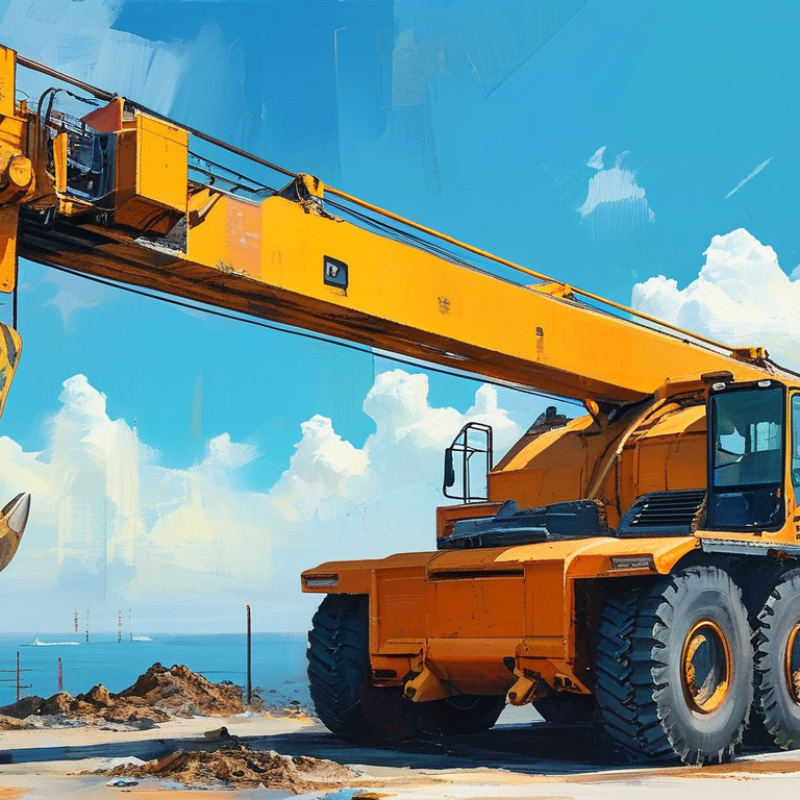
The mobile crane industry is witnessing rapid technological advancements, ensuring better performance in 2026. Automation and data analytics are emerging as key players. Automated systems can enhance precision, reducing human error while optimizing operational efficiency. Data analytics will allow operators to monitor crane health in real-time, predicting maintenance needs before failures occur.
As cranes become smarter, users must adapt to these changes. Although these technologies can improve safety and efficiency, the initial learning curve can be steep. Operators may find themselves overwhelmed by the new systems. Engaging in proper training programs is crucial to bridge this gap.
When considering purchasing a mobile crane, ensure that the technology aligns with your operational needs. Understand how each feature can influence your workflow. Be prepared for potential updates and maintenance required for these advanced systems. Embrace the challenge; it could lead to significant operational improvements. Staying informed and adaptable is key.
Key Features and Specifications to Consider When Buying Mobile Cranes
When purchasing mobile cranes, several key features warrant careful consideration. The lifting capacity is paramount. According to industry reports, the global mobile crane market is projected to grow significantly, with a rising demand for cranes with capacities exceeding 200 tons. Buyers should assess the specific requirements of their projects to ensure the crane can handle the expected loads.
Another vital aspect is the crane's reach. This involves understanding both the boom length and the overall configuration. Cranes with longer booms allow operation in tighter spaces, but they can also introduce stability challenges. Many operators overlook stability, focusing instead on lift capacity. However, with a recent study indicating that nearly 30% of crane accidents result from stability issues, this factor cannot be ignored.
Fuel efficiency is increasingly important. The environmental impact and operating costs are becoming central concerns for many buyers. Data shows that cranes equipped with advanced hybrid technologies can reduce fuel consumption by up to 30%. Yet, the initial investment in such technology can be daunting. Buyers are encouraged to weigh the long-term benefits against short-term costs. In an ever-evolving industry, understanding these variables is crucial for making informed decisions.
Sustainability Trends: Eco-Friendly Innovations in Mobile Cranes
The mobile crane industry is witnessing a significant shift towards sustainability. Eco-friendly innovations are becoming a crucial consideration for buyers. According to recent industry reports, the global market for green construction equipment is expected to grow by 10% annually, driven largely by stricter environmental regulations and increasing demand for sustainable practices.
Manufacturers are innovating with hybrid and electric models. These cranes can reduce greenhouse gas emissions by up to 50%, making them an appealing choice for construction companies. Moreover, recyclable materials are increasingly used in crane production. This trend highlights a commitment to minimizing the environmental impact throughout the equipment’s lifecycle. However, the high initial costs of green technology can deter some buyers.
Adopting eco-friendly cranes involves a learning curve. Buyers need to train staff on new technologies. Not every company is ready to make this leap, as the industry grapples with balancing cost, efficiency, and environmental responsibility. Yet, navigating these challenges can lead to long-term benefits. Reliable data suggests that integrating sustainable practices can enhance a company's reputation while reducing operational costs over time. As the market evolves, staying informed about these trends is essential for making educated purchasing decisions.
Market Demand and Growth Projections for Mobile Cranes in 2026
The mobile crane market is poised for significant growth as we approach 2026. According to a report by Industry Research, the global mobile crane market is expected to reach USD 15 billion by the end of 2026, with a compound annual growth rate (CAGR) of 5.5%. This increase reflects a stronger demand driven by infrastructure projects worldwide, especially in emerging markets. Urbanization and the demand for energy-efficient equipment will further supplement this trend.
Construction companies are increasingly focusing on acquiring versatile mobile cranes to maximize job efficiency. These cranes, capable of navigating tight job sites, provide flexibility. However, buyers need to be cautious about the utilization of advanced technology in these machines. While smart features enhance safety and productivity, they sometimes introduce complexities in operation and maintenance. Buyers should also consider the cost implications of these technologies, which may not always offer the expected return on investment.
As the market evolves, sustainability is becoming a key demand driver. The push for eco-friendly equipment has prompted manufacturers to innovate. Despite this, not all advanced mobile cranes meet environmental standards, which poses a challenge for buyers seeking compliance. The industry must address these concerns while keeping pace with growing market demands.
Safety Regulations and Compliance Standards for Modern Mobile Cranes
In the ever-evolving landscape of mobile crane operations, safety regulations play a crucial role in protecting workers and equipment. The Occupational Safety and Health Administration (OSHA) continuously updates standards, ensuring that operators follow stringent guidelines. Data from the Crane Safety Alliance indicates that adherence to these regulations can lead to a reduction of workplace accidents by over 30%. This statistic underscores the importance of training and compliance in fostering a safe working environment.
Modern mobile cranes must meet specific compliance standards, including load limit indicators and anti-collision systems. These features enhance operational safety, yet adoption remains varied. A report from the International Crane Safety Institute highlights that only 50% of mobile cranes in operation today are fully compliant with these advanced safety systems. Buyers should be aware that investing in cranes with comprehensive safety features is not just a regulatory requirement but also a long-term cost-saving strategy.
Moreover, continuous education and training for crane operators are vital. It's essential for companies to invest in up-to-date training programs. A survey conducted by the National Commission for Certification of Crane Operators (NCCCO) reveals that only 40% of operators receive regular refresher training. This gap presents a significant opportunity for improvement in safety and efficiency within the industry. Encouraging a culture of safety and learning can lead to more effective compliance and better outcomes in mobile crane operations.