Top 10 Rail Transfer Cart Suppliers in China for Global Buyers
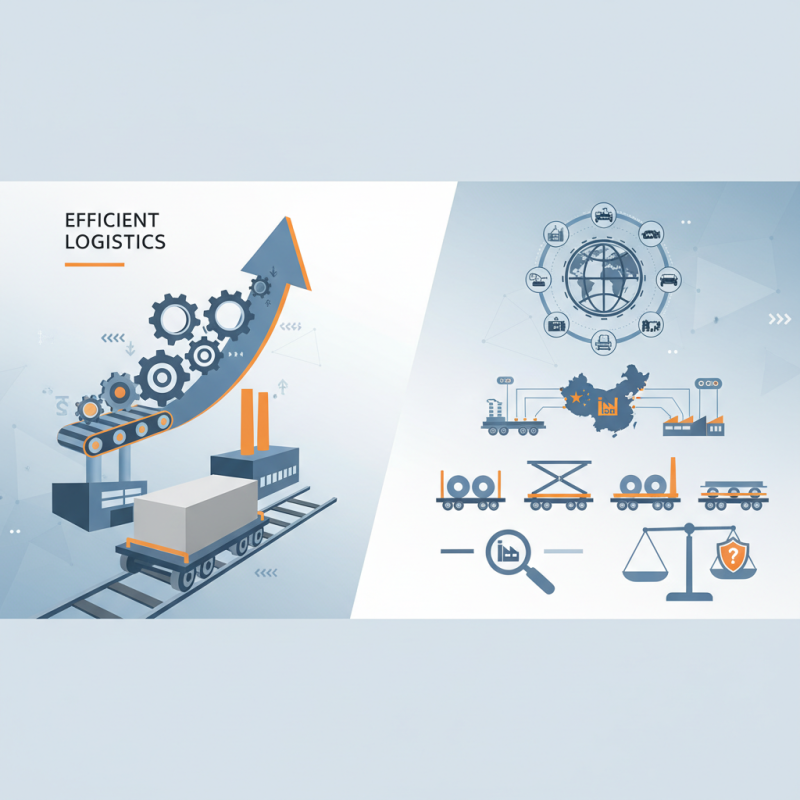
The demand for efficient logistics solutions drives innovation in various industries. One such solution is the Rail Transfer Cart. These carts play a vital role in transporting materials across facilities. Global buyers seek high-quality options to enhance their operations.
China has emerged as a leader in manufacturing rail transfer carts. This country's suppliers excel in producing diverse models to fit different needs. Their expertise combines innovation with practical design. Businesses can find reliable partners among these manufacturers.
However, navigating the market can be challenging. Some suppliers may not meet international quality standards. Buyers must conduct thorough research to identify trustworthy options. Understanding each supplier's strengths and weaknesses is essential for making informed decisions. Choosing the right rail transfer cart supplier can significantly impact operational efficiency and productivity.
Overview of Rail Transfer Carts and Their Applications
Rail transfer carts are essential tools in industries that require heavy material handling and transportation. These carts run on rails and are designed to move goods efficiently within factories, warehouses, and shipyards. They can carry loads ranging from a few tons to several hundred tons. This versatility makes them suitable for various applications, including assembly lines, metal fabrication, and construction sites.
In recent years, rail transfer carts have gained popularity due to their ability to enhance workflow and reduce labor costs. They can operate in tight spaces and reduce the risk of worker injury. However, choosing the right type of rail transfer cart can be challenging. Buyers must consider load capacity, power source, and operational environment. Some carts may not perform well in extreme temperatures or uneven surfaces. Researching suppliers and understanding product specifications is crucial.
The demand for rail transfer carts continues to grow as industries seek more efficient solutions. However, not all suppliers meet the same standards. Some may promise high quality but deliver subpar products. It is essential to evaluate the supplier's reputation and customer reviews. Understanding these factors can lead to better purchasing decisions and optimize operational efficiency.
Criteria for Selecting Rail Transfer Cart Suppliers
When selecting rail transfer cart suppliers, buyers need to consider various criteria. Quality is crucial. Ensure that the carts are built from durable materials, capable of withstanding heavy loads. Look for suppliers that have a reputation for producing reliable products. A good track record can save you time and money in the long run.
Another essential factor is the supplier’s experience in the industry. Experienced providers often understand unique customer needs better. They can offer tailored solutions that suit specific operational requirements. Reviews and feedback from previous clients can provide valuable insights. This helps to gauge their reliability and service quality.
Communication also plays a vital role in the selection process. Effective communication ensures that both parties have clear expectations. Suppliers who are responsive demonstrate their commitment to customer satisfaction. However, not all suppliers excel in this area. It’s important to reflect on past interactions and identify signs of potential issues. Always trust your instincts and prioritize suppliers who show a willingness to collaborate.
Top 10 Rail Transfer Cart Suppliers in China
Rail transfer carts are vital in modern industrial operations. They enhance the efficiency of transporting materials across facilities. Many suppliers in China are recognized for their manufacturing of high-quality rail transfer carts. These suppliers focus on innovation, safety, and reliability.
When selecting a supplier, consider their experience and customer feedback. It's essential to assess the range of products they offer. Some companies specialize in electric-powered carts, while others may provide manual options. Understanding your specific needs is crucial. Always inquire about their after-sales support.
Transparency in pricing and quality assurance policies can reflect a supplier's reliability. It’s important to look for industry certifications as indicators of quality. Not all suppliers maintain the same standards, which might lead to inconsistency in products. Take time to evaluate and compare the options available.
Key Features and Innovations by Leading Suppliers
China has become a key player in the rail transfer cart industry. The top suppliers focus on innovation and technology. Many incorporate advanced materials to enhance durability. Their designs prioritize safety and efficiency, making them popular worldwide.
Notably, some manufacturers emphasize customization. They offer tailored solutions to meet diverse client needs. Their carts can handle heavy loads, with lifting capacities that vary significantly. This flexibility allows clients to optimize operations across various applications, from factories to warehouses.
While many suppliers present impressive features, some lack consistency in quality control. It’s essential for buyers to research and verify supplier capabilities. They should seek out partners who show commitment to continuous improvement. Customer feedback and third-party assessments can help in this regard. A supplier's willingness to address concerns often reflects their reliability and professionalism.
Global Impact of Chinese Rail Transfer Cart Suppliers on the Market
Chinese rail transfer cart suppliers play a significant role in the global market. Their innovative solutions cater to various industries, such as manufacturing, logistics, and construction. These suppliers have established a reputation for high-quality products and competitive pricing. Many buyers seek their expertise to enhance operational efficiency and reduce costs.
The impact of these suppliers goes beyond just products. They contribute to technological advancements in rail transport. This includes system automation and improved safety features. However, not all suppliers maintain the same standards. Some may overlook quality control in their pursuit of lower prices. This inconsistency can lead to challenges for global buyers, who must do their due diligence.
Moreover, environmental sustainability has become a focal point for suppliers. Many are working to develop eco-friendly carts. These initiatives reflect an evolving market demand for sustainable practices. Despite these efforts, the challenge remains in balancing cost with sustainability. Buyers need to be aware of both the advantages and limitations in their purchasing decisions.