Top 10 US Crane Types for Construction Industry Success?
In the dynamic world of construction, selecting the right equipment is vital for success. Among the key players are cranes, especially US cranes. “Choosing the appropriate crane type can make or break a project,” said John Smith, a leading expert in the US crane industry. His insight emphasizes the importance of understanding various crane types available.
Various US cranes serve specific needs in construction. From tower cranes to crawler cranes, each type has unique advantages. Tower cranes are known for their height and stability on high-rise projects. Crawler cranes excel in rough terrains, giving flexibility. However, many overlook the cost implications and operational requirements.
It's essential to consider these factors when choosing a crane. The wrong decision can lead to delays and budget overruns. The US crane industry is ever-evolving, presenting new options and challenges. As this sector grows, reevaluating choices and staying informed is crucial for success.

Overview of Crane Types in the US Construction Industry
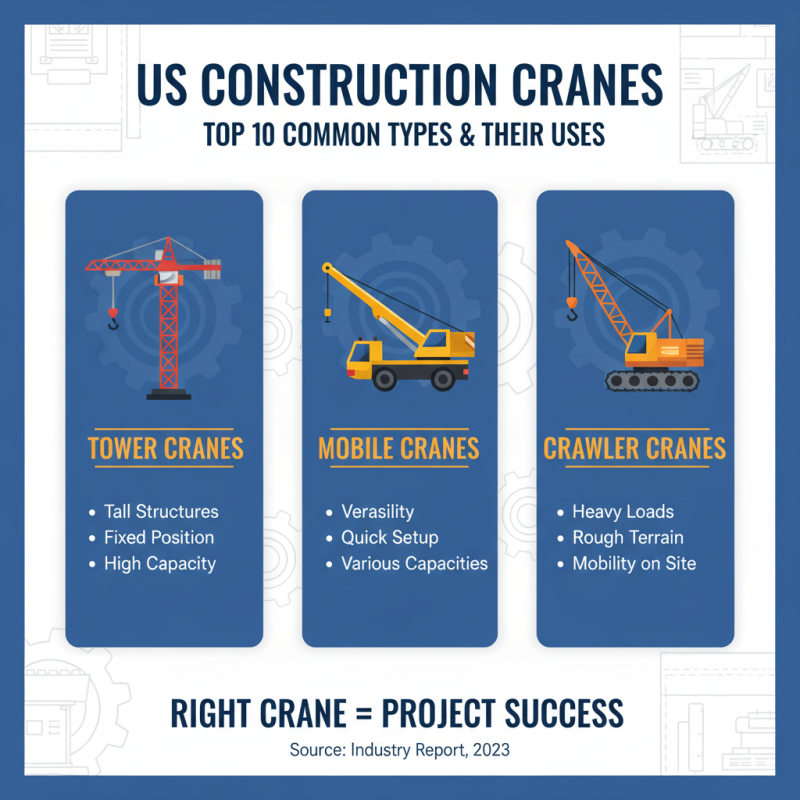
Crane types are vital in the US construction industry. Each type serves a unique purpose, ensuring projects run smoothly. Understanding these types helps in selecting the right equipment for specific tasks. Common crane types include tower cranes, mobile cranes, and overhead cranes.
Tips: Assess site conditions before choosing a crane. Weight limits, height restrictions, and space requirements are crucial.
Tower cranes are ideal for tall structures. They can lift heavy materials high into the air. However, they require enough space for setup. Not all sites can accommodate them.
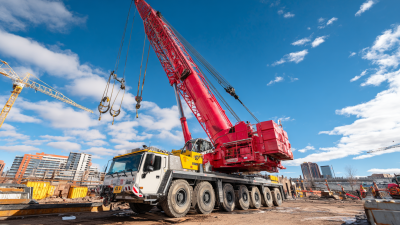
Mobile cranes are versatile. They can move quickly between locations but may have limited lifting capacity compared to tower cranes.
Tips: Always consult with a professional when selecting crane types. This will minimize mistakes and ensure safe operation.
Overhead cranes work well in warehouses. They provide excellent lifting capabilities but are usually fixed in one position. If flexibility is needed, this might not be the best option.
Factors Influencing Crane Selection for Construction Projects
When selecting a crane for construction projects, various factors come into play. The project's size and complexity heavily influence crane choice. A large building requires a different crane than a small residential structure. Yet, many overlook site conditions. Soil stability and space constraints can limit crane options.
Another critical aspect is the load capacity. Understanding what the crane needs to lift is essential. Sometimes, miscalculations occur, leading to insufficient lifting power. The surrounding environment matters, too.
Proximity to nearby structures can hinder crane operation. Noise regulations may also impact the decision.
Finally, operator skill shouldn't be ignored. An experienced operator can maximize crane efficiency. However, relying solely on operator skill can be risky. Training is vital. All factors must align for construction success. Often, projects encounter unexpected challenges.
Adapting crane selection to those challenges is crucial for smooth operations.
Detailed Analysis of Top 10 Crane Types Used in the US
The construction industry in the US relies heavily on cranes. Understanding the types of cranes can determine a project’s success. The top 10 cranes commonly in use include tower cranes, mobile cranes, and crawler cranes. Each type has its unique advantages depending on the project requirements.
Tower cranes are often seen on tall building sites. They offer high lifting capabilities. A report by the American Crane and Safety Association (ACSA) noted that these cranes can lift loads exceeding 18 tons. Mobile cranes, on the other hand, are versatile. They can be easily transported to various sites, making them essential for smaller projects. Crawler cranes provide excellent stability on uneven ground.
**Tip:** Always conduct a site assessment before selecting a crane type. This helps avoid unforeseen challenges and ensures the right choice is made.
Another factor to consider is the operator’s skill level. Not all cranes can be operated by anyone. Some require specialized training. According to industry standards, improper operation can lead to accidents. Therefore, investing in skilled operators is crucial for safety and efficiency.
**Tip:** Regular training refreshers are essential. They help operators stay updated on safety protocols and best practices.
Benefits and Limitations of Each Crane Type
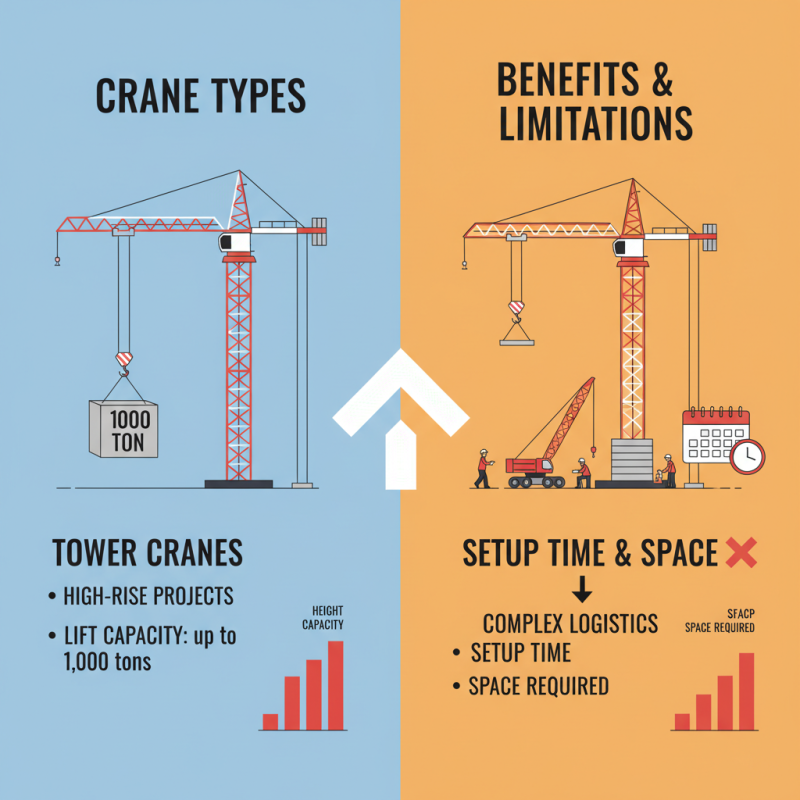
When assessing crane types for the construction industry, it's important to weigh their benefits and limitations. Tower cranes, for instance, are favored for high-rise projects. They provide excellent height and lifting capacity. A survey showed they can lift up to 1,000 tons. However, they require significant setup time and space.
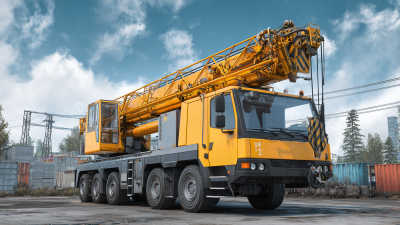
Mobile cranes offer versatility and easy transport. They can be quickly moved from job to job. Their compact design allows access to tight spaces. Yet, their lifting capacity often pales in comparison to larger cranes. A report indicated mobile cranes typically lift around 200 tons. This limitation can impact larger projects.
Crawler cranes excel on uneven terrain. Their stability is their strength. They spread weight over a larger area. Unfortunately, their movement speed is slow. This can delay progress on projects requiring quick positioning. As industry data shows, project timelines often stretch when dependent on crawler cranes for heavy lifts.
Future Trends in Crane Technology and Construction Applications
As the construction industry evolves, crane technology is also advancing. Recent reports indicate a projected growth rate for crane technology at 6.5% annually through 2030. Key trends include the rise of automation and smart technology. These innovations optimize efficiency and safety on job sites.
Telematics is transforming how cranes operate. Real-time data helps monitor performance and maintenance needs. This reduces downtime and enhances productivity. Construction managers can track equipment from their offices. However, not all companies are ready for this shift. Technical skill gaps may hinder progress.
Tips: Invest in training for your team. Familiarity with new technologies can spur adoption. Consider the long-term benefits of modern cranes. They may have higher upfront costs but often yield savings over time.
Sustainability is another focus. Hybrid cranes, for example, reduce emissions while maintaining power. Many projects now require eco-friendly practices. Yet, the integration of green technology can be challenging. Adjusting to new materials and methods demands diligent planning.
Top 10 US Crane Types for Construction Industry Success
| Crane Type |
Max Load Capacity (Tons) |
Height (Feet) |
Reach (Feet) |
Typical Applications |
| Tower Crane |
10-20 |
100+ |
300+ |
High-rise buildings |
| Mobile Crane |
10-350 |
50+ |
250+ |
Construction sites, repairs |
| Crawler Crane |
30-300 |
100+ |
400+ |
Heavy lifting, offshore |
| Rough Terrain Crane |
10-50 |
40+ |
100+ |
Uneven terrains, landscaping |
| Grove Crane |
50-200 |
80+ |
300+ |
Heavy construction, industrial |
| Lattice Boom Crane |
75-350 |
120+ |
500+ |
Wind turbines, bridges |
| Overhead Crane |
10-100 |
15-30 |
50+ |
Factories, warehouses |
| Articulating Crane |
5-25 |
30+ |
70+ |
Utility work, maintenance |
| Telehandler |
5-12 |
15+ |
20+ |
Material handling, agriculture |