What is a Truck Crane and How Does it Work
In the realm of heavy machinery, the truck crane stands out as a versatile and indispensable tool for various lifting tasks across construction, maintenance, and industrial sectors. As industry expert John Smith, a leading engineer at Crane Solutions, aptly states,
"The truck crane combines mobility with powerful lifting capabilities, making it a cornerstone of modern construction operations."
This introduction sets the stage for a deeper exploration into what truck cranes are, how they operate, and their importance in today's dynamic work environments.
As we delve into the intricacies of truck cranes, we will uncover the engineering marvels behind their design, the operational mechanics that allow them to perform complex lifts, and the multitude of applications they serve. From urban construction sites to remote locations, truck cranes provide flexibility and efficiency, underlining their role as a top choice for heavy lifting solutions.
Furthermore, understanding the various models and functionalities available in the market will illuminate why truck cranes are frequently touted as essential equipment for businesses aiming to enhance productivity and safety on the job.
What is a Truck Crane and Its Key Features
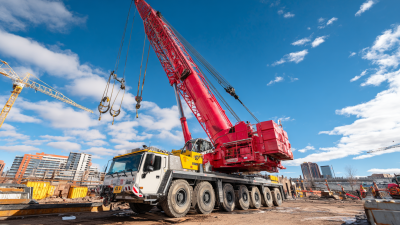
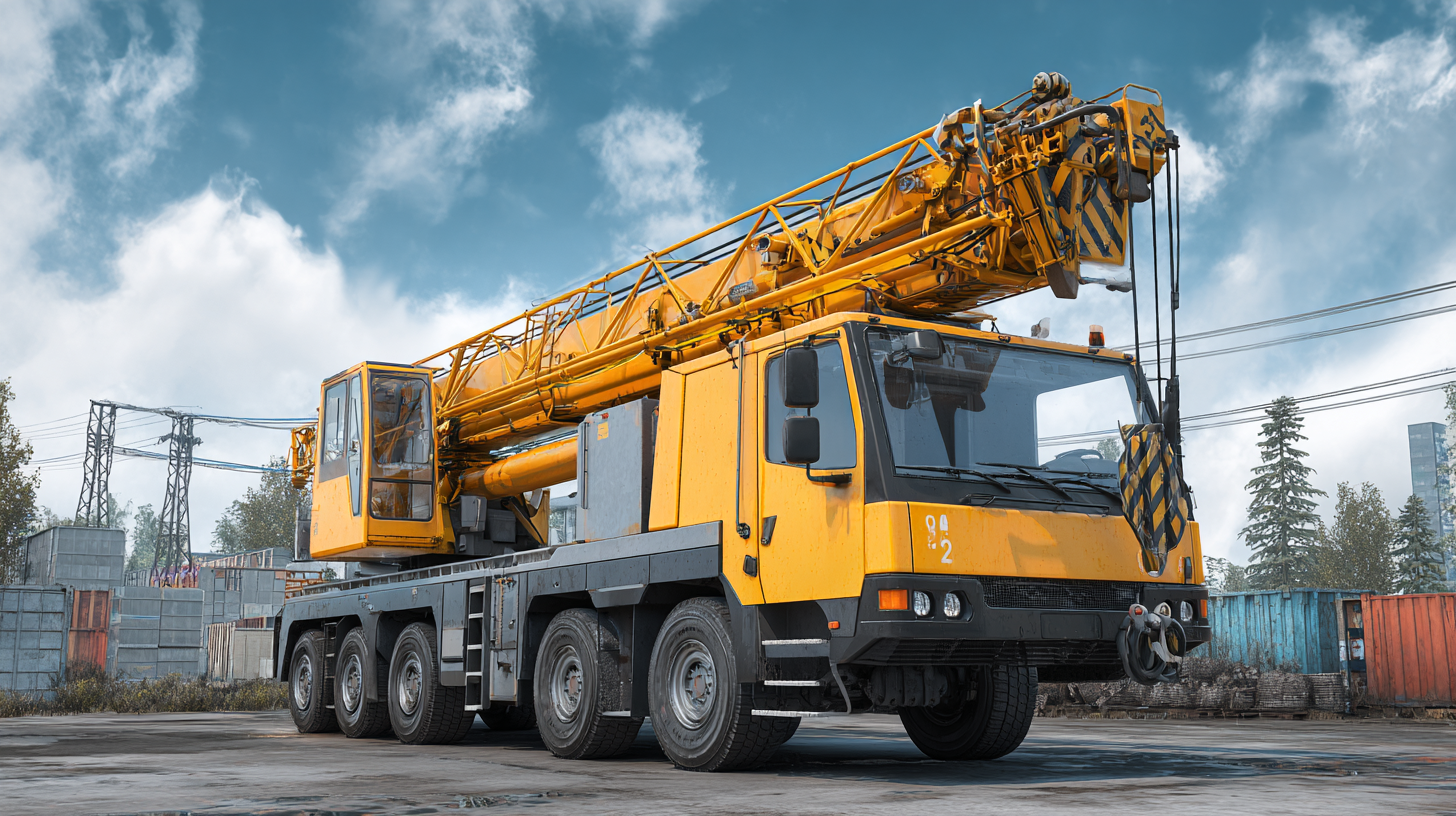
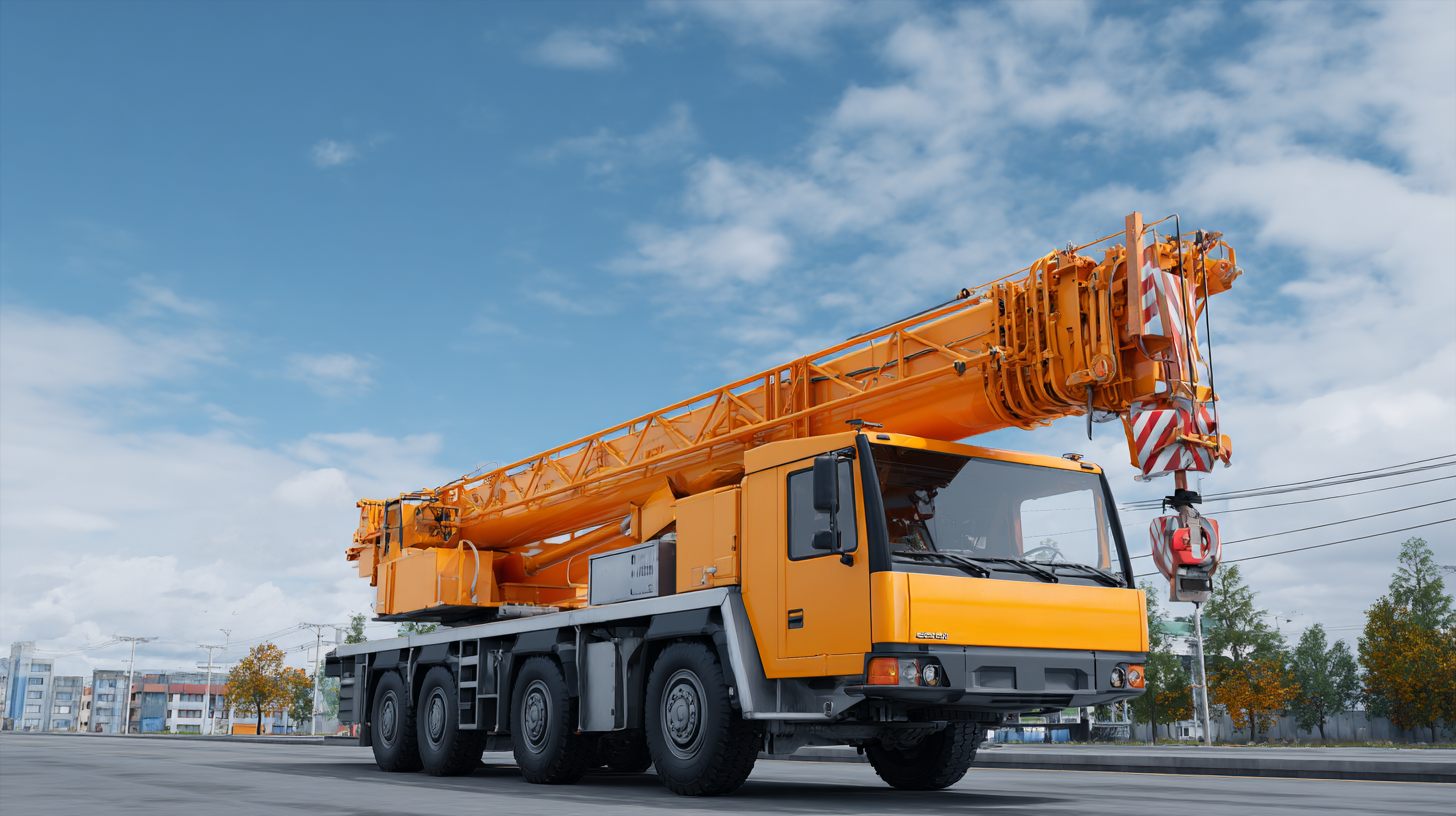
A truck crane is a type of mobile crane that is mounted on a truck chassis, allowing for efficient transportation and rapid setup on job sites. One of its key features is its versatility, enabling it to perform a variety of lifting tasks in construction, maintenance, and other industrial applications. Truck cranes are equipped with a telescopic boom that can be extended and retracted to reach heights and distances that standard fixed cranes might not cover. This adaptability makes them ideal for projects where space is limited or where quick relocation is necessary.
Another important characteristic of truck cranes is their hydraulic system, which provides the power needed for lifting heavy loads. This system allows smooth operation and precise control, ensuring that tasks can be completed safely and effectively. Additionally, many truck cranes come with outriggers, which provide stability during operation by extending the crane's footprint. This feature is crucial when lifting heavy materials, as it helps prevent tipping and maintains balance. Together, these features make truck cranes an essential tool in modern construction and logistics.
Understanding the Mechanism: How Truck Cranes Operate
Truck cranes are vital in the construction industry, combining mobility with powerful lifting capabilities. These cranes are mounted on a truck chassis, allowing them to transport heavy loads across various job sites. The operation mechanism primarily revolves around a hydraulic system that enables the crane to lift, lower, and extend its boom. According to industry reports, the global truck crane market was valued at approximately $10.6 billion in 2021 and is projected to grow at a CAGR of 6.5% from 2022 to 2029, highlighting their importance in modern construction.
Understanding the operational intricacies, truck cranes utilize hydraulic cylinders to create lifting force. The crane operator can control the boom’s angle and extension using a system of wires and pulleys. Advanced models are equipped with load monitoring systems to ensure safety, preventing overloads by providing real-time data. Market analysis shows that technological advancements and integration of IoT in these cranes are enhancing operational efficiency and safety, with 30% of companies reporting higher productivity levels due to the adoption of modern truck cranes. This evolution speaks to the growing demand and need for reliable lifting equipment in various sectors.
Top Benefits of Using Truck Cranes in Construction Projects
Truck cranes are versatile machinery that play a crucial role in construction projects, offering numerous benefits that enhance efficiency and safety. One of the primary advantages of using truck cranes is their mobility. They can easily be transported from site to site, allowing construction companies to save time and resources when moving heavy materials. Additionally, truck cranes can operate in limited spaces, making them ideal for urban construction where space is often a constraint.
Another significant benefit of truck cranes is their lifting capacity. These machines are designed to lift heavy loads, making tasks like hoisting steel beams or heavy equipment straightforward. This capability not only accelerates construction timelines but also reduces the risk of injuries associated with manual lifting.
**Tips:** When using a truck crane, it's essential to conduct regular maintenance checks to ensure that the equipment operates reliably. Moreover, proper training for operators is crucial to maximizing safety and efficiency on the job site. Lastly, always consider the crane’s load chart to prevent overloading, which could lead to dangerous situations.
Comparative Analysis: Truck Cranes vs. Other Crane Types
When comparing truck cranes to other crane types, several factors come into play, including versatility, mobility, and lifting capacity. Truck cranes, known for their ability to travel on public roads due to their truck chassis, offer an advantage in terms of quick deployment at job sites. According to data from the American Crane and Rigging Association, truck cranes can typically reach a lifting capacity of up to 80 tons, making them suitable for various construction tasks. In contrast, traditional fixed cranes, while often possessing higher lifting capacities, require extensive setup and cannot be moved easily once installed.
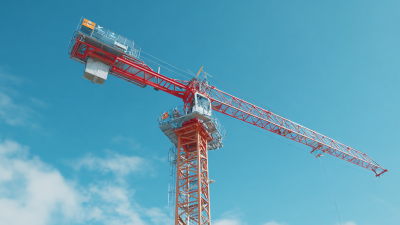
In addition, the operational efficiency of truck cranes stands out against crawler cranes and tower cranes in specific scenarios. Crawler cranes, which operate on tracks, excel in rough terrains and heavy-lift scenarios but are less mobile and require more time to relocate. On the other hand, tower cranes provide excellent height and lifting reach, but their fixed nature may limit accessibility. For those considering equipment choices, understanding the operational environment and frequency of movement can significantly impact productivity.
Tips: When selecting a crane, assess your project's specific needs, including load weight, site accessibility, and mobility requirements. Additionally, consider the crane's setup time and how often it will need to be relocated during the project. Understanding these factors can lead to more efficient and cost-effective project management.
What is a Truck Crane and How Does it Work - Comparative Analysis: Truck Cranes vs. Other Crane Types
| Crane Type |
Max Load Capacity |
Operating Range |
Mobility |
Typical Applications |
| Truck Crane |
10-100 tons |
30-300 ft |
Very high mobility on roads |
Construction sites, road building |
| Crawler Crane |
20-2000 tons |
50-500 ft |
Limited mobility, but stable |
Heavy lifting on soft ground |
| Tower Crane |
10-100 tons |
100-300 ft |
Fixed, non-portable |
High-rise building construction |
| Mobile Crane |
10-120 tons |
30-200 ft |
Good mobility on various terrains |
General construction, lifting tasks |
Safety Considerations When Operating Truck Cranes
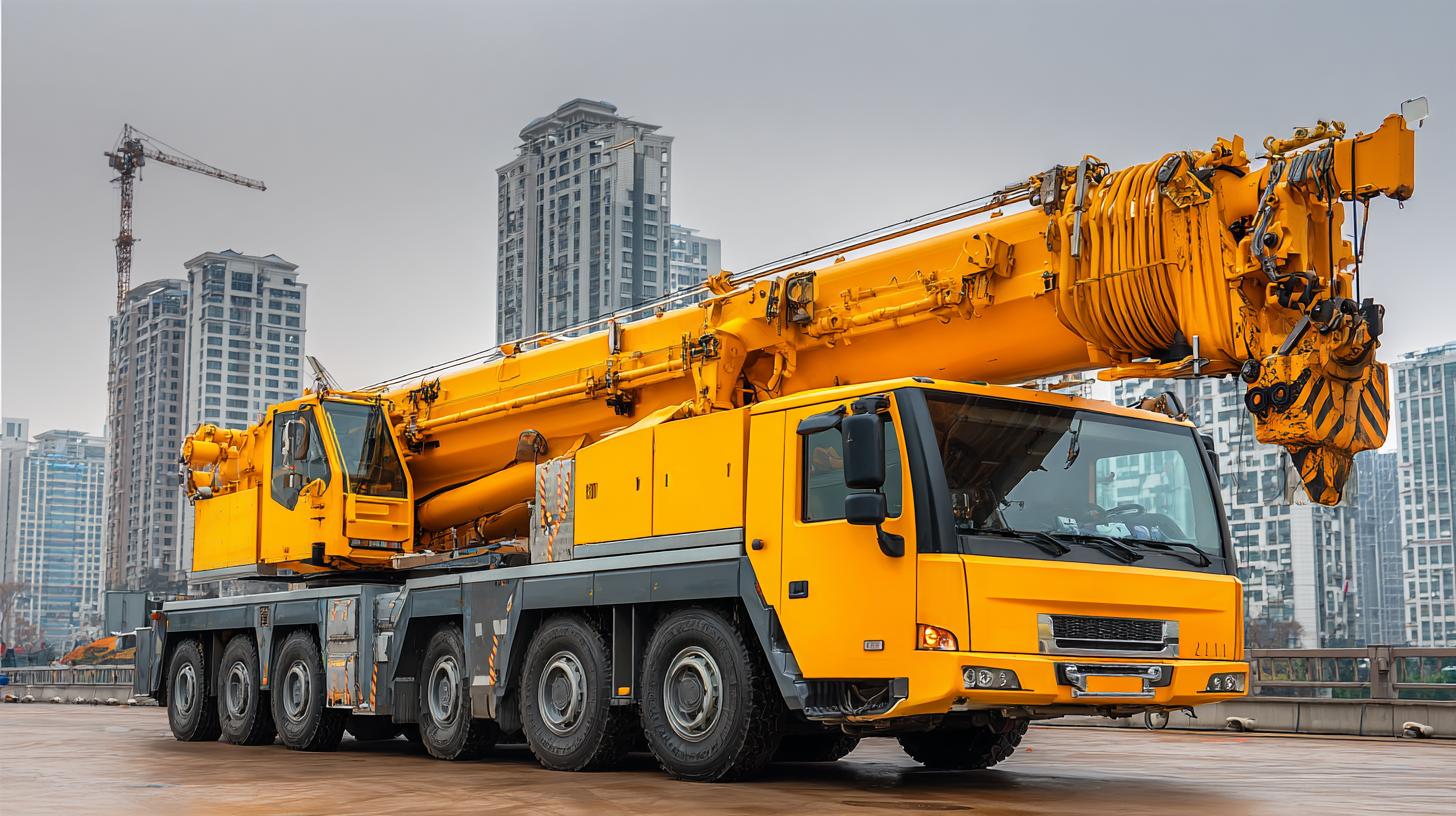 When operating truck cranes, safety considerations should be a top priority for every operator and crew member. Proper training and certification are essential to ensure all personnel understand the machinery's operational protocols and emergency procedures. Operators must be aware of their crane's load capacity and follow strict guidelines to avoid overloading, which can lead to catastrophic failures. Regular maintenance and inspections of the truck crane are vital to identify potential issues before they become serious hazards.
Furthermore, establishing a clear communication system among the crew is crucial during operations. Using hand signals or radios helps maintain coordination and ensures that everyone is aware of the load's movements. Operators should also remain vigilant about environmental conditions, such as wind speed and ground stability, which can significantly impact safety. The workspace should be adequately marked and secured, preventing unauthorized individuals from accessing the area during lifting operations. By adhering to these safety measures, the risk of accidents can be minimized, allowing for efficient and safe crane operation.