
What Are the Top Acid Storage Cabinets?

What Are the Top Acid Storage Cabinets?

Choosing Acid Storage Cabinets is not just a matter of fitting containers behind a door. The cabinet must match the chemicals, the room, and the way staff actually work. A bottle of hydrochloric acid on a shelf can look harmless; a corroded hinge or incompatible liner tells a different story. The National Academies’ Prudent Practices in the Laboratory (2011) recommends separating incompatible chemicals and using suitable storage. The U.S. Chemical Safety and Hazard Investigation Board’s incident investigations also show why storage practices deserve careful review.

There is no universal “top” cabinet. Compare corrosion-resistant construction, compatible shelving, spill containment, capacity, labeling, and clear installation guidance. Check the manufacturer’s compatibility information for every acid stored; “acid-resistant” alone is too vague. A cabinet that meets a checklist can still be poorly placed or overfilled. That part is easy to overlook.

Safety educator Eleanor Everet is often credited with the line, “Safety is not a gadget but a state of mind.” It is a useful reminder, not a substitute for technical guidance. This guide compares cabinet features and trade-offs, drawing on recognized safety references and product specifications. It also notes where evidence is limited: product claims are not the same as independent test results. Before selecting a model, verify its materials, capacity, and intended use with the supplier and your organization’s safety professional.
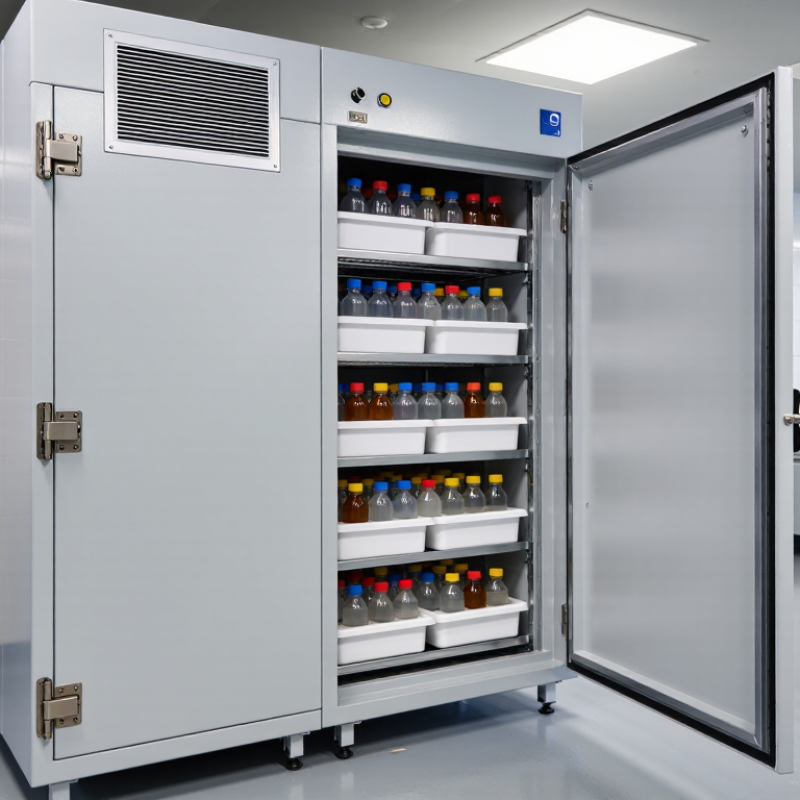
What Are the Top Acid Storage Cabinets?

How NFPA 400 and OSHA Laboratory Rules Guide Acid Cabinet Selection

Choosing an acid storage cabinet starts with the chemicals, not the cabinet label. NFPA 400 addresses hazardous materials, including corrosives, and sets storage and use requirements that may depend on quantities and local code adoption. Check the edition enforced by your authority having jurisdiction. A cabinet suitable for one acid may not suit another.

OSHA’s Laboratory Standard, 29 CFR 1910.1450, requires employers to maintain a Chemical Hygiene Plan covering safe laboratory practices. The plan should address storage, handling, and hazard controls. Container labels and safety data sheets help identify corrosivity and incompatibilities. Compatibility matters. Keep acids away from bases, reactive metals, and other incompatible materials, using the chemical’s safety data sheet for specific guidance.

For selection, verify that the cabinet’s interior and shelves resist the acids being stored. Look for secure doors, stable construction, and a sump or tray that can contain small leaks. Check the details. Do not assume ventilation is always beneficial; follow the cabinet instructions and site safety assessment before adding ductwork. In practice, people often focus on capacity and overlook shelf corrosion or spill cleanup access. That deserves a second look. Keep containers closed, clearly labeled, and arranged so staff can retrieve them without moving other chemicals. Local fire and building officials may impose additional conditions.

Which Cabinet Materials Resist Sulfuric, Hydrochloric, and Nitric Acids?

For acid storage cabinets, the liner and all wetted surfaces matter more than the cabinet’s outer appearance. High-density polyethylene and polypropylene are common choices because they resist many corrosive liquids. They can suit hydrochloric acid and many sulfuric acid solutions, but compatibility depends on concentration, temperature, and exposure time. Check the cabinet maker’s chemical-resistance data against the product’s safety data sheet. Check the chart.

Nitric acid needs extra care. It is a strong oxidizer, and its compatibility with plastics can change with concentration; do not assume one polymer works for every grade. Keep it separate from incompatible chemicals, and choose a cabinet specifically rated for the acid and conditions involved. Coated-metal cabinets may be suitable only when the coating and seams have documented resistance. A chip near a shelf edge can expose vulnerable metal. Small details matter. Inspect joints, hinges, shelves, and the spill tray for cracks, corrosion, or residue. A cabinet can look sturdy while a damaged seam quietly undermines its protection. If the concentration is unclear, pause and confirm compatibility with the supplier before storing the container.

What Are the Top Acid Storage Cabinets?

Typical resistance of common cabinet materials to sulfuric, hydrochloric, and nitric acids

Ratings are broad, typical comparisons at or near room temperature: 0 = poor, 1 = limited, 2 = good, and 3 = excellent. Actual compatibility depends on acid concentration, temperature, exposure time, and cabinet construction. Confirm the specific chemical and conditions with a compatibility chart or the cabinet manufacturer before selecting a cabinet.

How Capacity, Shelving, and Spill Sumps Shape Cabinet Performance

The best acid storage cabinet is not simply the largest one in the room. Capacity should match the containers staff actually use, with a little room for safe handling. A crowded shelf makes bottles harder to lift and inspect. Too much empty space can also invite poor organization. A practical layout keeps labels visible and leaves clear access to each container. Measure the available floor area, door swing, and route for moving bottles before choosing cabinet dimensions. Small details matter.

Shelving affects both access and spill control. Adjustable shelves can fit different bottle heights, but they must be designed for the cabinet and the stored chemicals. Check load limits and confirm that shelf materials resist the specific acids involved. Compatibility varies; “acid-resistant” is not a universal guarantee. A spill sump at the cabinet base should hold leaks without obstructing the door or reducing usable storage. Consider how staff will notice and safely manage a spill, too. The sump is not a substitute for sound containers or routine inspection. It can be overlooked during selection. Review safety data and the cabinet maker’s compatibility guidance, then reassess the setup when container sizes or work practices change.

What ANSI/ISEA Z358.1 Requires: Eyewash Flow of 0.4 GPM for 15 Minutes

Acid storage cabinets reduce spill and corrosion risks, but they do not replace emergency equipment. Choose cabinets with chemically compatible liners, secure doors, and a corrosion-resistant spill tray. Keep the eyewash reachable without opening a cabinet or crossing a spill area. ANSI/ISEA Z358.1-2014 (R2020) specifies a minimum eyewash flow of 0.4 gallons per minute for 15 minutes, with both eyes flushed at the same time. That equals at least 6 gallons of water. A small detail matters: a station that runs briefly during a weekly check may still fail under sustained use.

OSHA’s 29 CFR 1910.151(c) requires suitable quick-drenching or flushing facilities where workers may encounter injurious corrosive materials. ANSI/ISEA Z358.1 also calls for tepid flushing fluid, generally 60–100°F, and equipment designed for hands-free operation after activation. Test the eyewash weekly, and arrange an annual inspection by a qualified person. Check the actual flow, not just whether water comes out; weak streams can look deceptively adequate. Keep the route clear, even when deliveries temporarily crowd the room. That part is easy to overlook. Cabinet labels, compatible storage, and a working eyewash should be reviewed together, because a compliant station is little help if staff cannot reach it quickly.

What Are the Top Acid Storage Cabinets? - What ANSI/ISEA Z358.1 Requires: Eyewash Flow of 0.4 GPM for 15 Minutes

Cabinet or Safety Feature Typical Construction or Requirement Suitable Use or Purpose Selection and Verification Checks
Polyethylene corrosive-storage cabinet Cabinet body and shelves made from polyethylene or another chemically compatible plastic. Common choice for storing compatible corrosive liquids, including many acids. Confirm compatibility with each chemical and concentration; check shelf load limits, spill containment, ventilation needs, and cabinet capacity.
Corrosion-resistant coated-steel cabinet Steel construction with a corrosion-resistant interior coating or liner. May suit corrosives when the cabinet’s interior materials are compatible with the chemicals being stored. Inspect the coating and seams for damage; verify chemical compatibility with the cabinet manufacturer and follow the safety data sheet (SDS).
Acid-segregation cabinet or compartment Separate storage space or containment designed to keep incompatible materials apart. Useful where acids must be segregated from incompatible chemicals, such as bases, oxidizers, or reactive metals. Use SDS guidance to determine incompatibilities. Do not assume that all acids are compatible with one another.
Spill-containment cabinet Includes a sump, tray, or other secondary-containment feature; capacity and design vary by model. Helps contain leaks or spills within the storage area. Check containment capacity, tray removability, chemical resistance, and applicable local requirements.
Cabinet capacity and layout Available sizes, shelf arrangements, and load ratings vary by cabinet. Allows storage to be matched to the quantity and container sizes used at the site. Confirm dimensions, usable shelf space, maximum load, access needs, and whether containers can be placed upright and secured.
Emergency Eyewash: ANSI/ISEA Z358.1 Key Points
Eyewash flow and duration At least 0.4 gallons per minute (GPM) for 15 minutes for an eyewash unit. Provides a continuous flushing supply for both eyes. Verify the installed unit delivers the required flow for the full duration under operating conditions.
Water temperature Flushing fluid should be tepid; the standard’s commonly used tepid range is 60–100°F (16–38°C). Supports effective flushing while reducing the risk of thermal discomfort or injury. Consider temperature control where needed to maintain tepid water throughout the required flushing period.
Access and location The unit should be reachable within 10 seconds, on the same level as the hazard, and along an unobstructed path. Enables prompt use after an exposure. Assess the actual route, doors, obstacles, and hazards; keep the approach and unit clearly identifiable.
Activation and operation The unit should activate readily and remain on without the user holding a valve or handle open. Allows the user to keep both hands available to hold the eyelids open during flushing. Test activation and confirm the spray pattern is suitable and both eyes can be flushed simultaneously.
Inspection and maintenance Plumbed emergency eyewash units should be activated weekly to help verify operation and clear the supply line; a competent person should inspect equipment annually. Helps maintain readiness and identify maintenance issues. Follow the applicable standard, equipment instructions, and site procedures; document checks and corrective actions.

Note: Cabinet construction alone does not establish chemical compatibility or regulatory compliance. Select storage based on the specific chemical, concentration, SDS, applicable codes, and manufacturer guidance. Eyewash requirements are separate from cabinet specifications.

How to Compare Acid Cabinets by Compatibility, Venting, and Compliance

The top acid storage cabinets are not simply the largest or most heavily built models. Start with chemical compatibility. Check each product’s safety data sheet and the cabinet maker’s compatibility guidance. Acids differ: materials that resist one may corrode when exposed to another. Look for corrosion-resistant interiors, shelves, and hardware, plus a leak-catching sump. Check the door seals and shelf edges, too. Small details matter.

Venting needs careful judgment. A vent connection is not automatically safer; incorrect airflow can spread fumes or undermine a cabinet’s intended performance. Confirm whether the chemicals and site procedures require ventilation, then have qualified staff assess the design and exhaust system. Keep incompatible substances segregated, even when they fit inside one cabinet. That part is easy to overlook.

Compare compliance against the rules that apply to your facility, not a vague claim on a product page. Review capacity limits, labeling, construction, and installation requirements with your safety officer. Ask for documentation, including test information and clear installation instructions. A cabinet may look sturdy in a showroom. Real conditions are less tidy: bottles get moved, spills happen, and seals age. Recheck the cabinet after installation and during routine inspections. I would still verify the details.