7 Boom Crane Buying Tips for Global Buyers
A boom crane may look powerful in a brochure, but its value depends on the lift it must perform. A machine rated for 50 tonnes does not lift that load at every radius. Buyers need to match capacity charts, boom configuration, site access, and duty cycle to real project conditions. Small mismatches matter. A tight urban site, soft ground, or limited transport clearance can change which crane is practical.
Demand is growing, though forecasts need context. In its 2015 Global Construction Perspectives report, Oxford Economics projected that worldwide construction output would rise 85% by 2030, reaching $15.5 trillion. That projection is not a current measurement, and actual outcomes may differ. Still, it shows why international buyers should assess equipment choices against long-term project plans, not headline price alone.
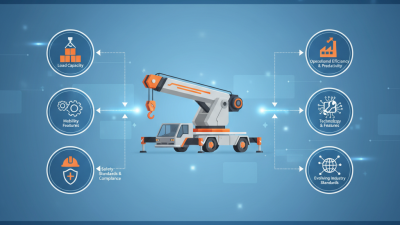
A sound comparison includes rated capacity at the required working radius, boom reach, lifting speed, stability, and transport dimensions. Buyers should also check parts availability, service support, operator training, and documentation in their region. Verify applicable local standards with qualified professionals before purchase. A low price can hide costly delays when parts take weeks to arrive. I have to admit, no checklist removes every uncertainty; site conditions often expose assumptions that looked reasonable on paper. The tips below offer a practical starting point for asking sharper questions and comparing offers with care.
Understanding Boom Crane Types and Applications
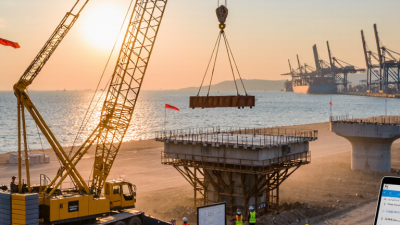
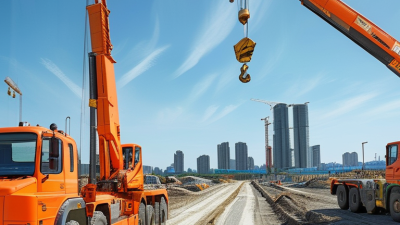
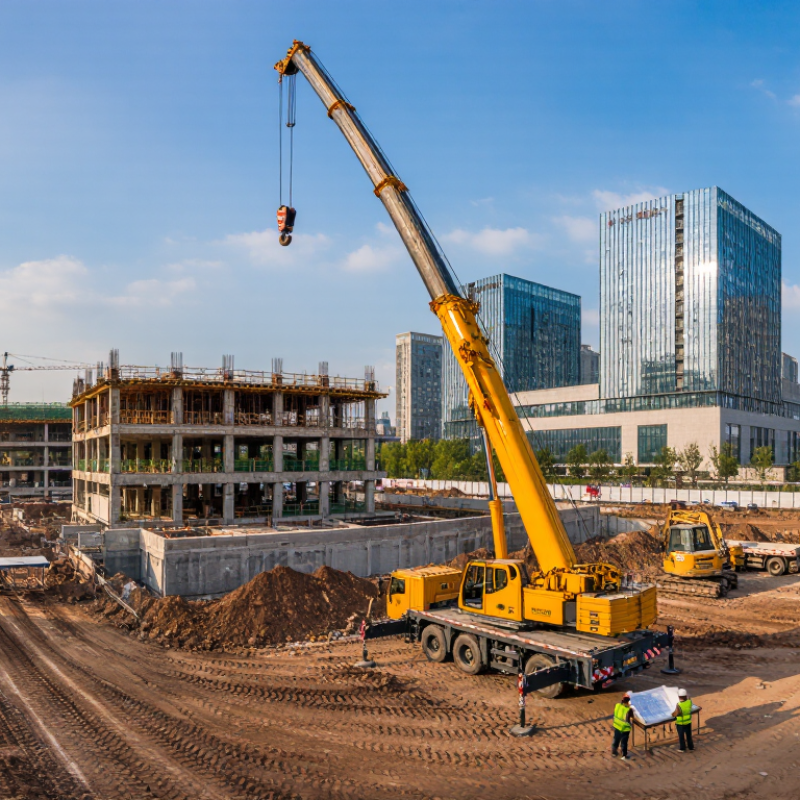
Boom cranes are not one interchangeable machine. A truck-mounted boom crane suits frequent moves between urban jobs, where setup space is tight. Rough-terrain cranes handle uneven ground on construction sites. Crawler cranes travel on tracks and are often selected for heavy lifts that need a stable footprint. All-terrain cranes combine road mobility with off-road capability. Each type has limits. A long boom does not guarantee safe reach; load, radius, ground conditions, and rigging all matter.
Applications vary from bridge work and factory installation to wind projects. The Global Wind Energy Council’s Global Wind Report 2024 recorded 117 GW of new wind capacity worldwide in 2023. That scale points to continuing demand for lifting equipment to position tower sections and nacelles. Actual crane selection still depends on component weight, lift height, access routes, and local site conditions. Not every site agrees with the plan.
Tip: Match the crane chart to the heaviest lift at its actual working radius, not just its maximum rated capacity. Ask for ground-bearing pressure and outrigger requirements, then compare them with a site assessment. Check transport dimensions, setup time, and operator availability, too. I have seen planning focus on reach while overlooking a narrow gate; that detail can undo an otherwise sound choice.
Defining Capacity, Reach, and Job-Site Requirements
A boom crane should be selected for the load at its actual working radius, not its headline capacity. A 10-ton load close to the crane may be manageable, while a lighter load farther out can exceed the chart. Check the load chart for the planned boom length, angle, and configuration. Include hooks, slings, and other lifting gear in the total. Leave a practical margin; site conditions rarely match a perfect diagram.
Reach is more than horizontal distance. Measure the distance from the crane’s setup point to the pick and landing locations, then account for obstacles such as roof edges, pipes, and nearby structures. Sketch the lift path. It often reveals a blind spot. If the load must pass over people or equipment, revise the plan rather than assuming the operator can see everything.
Inspect the job site before comparing crane models. Soft ground, slopes, and limited outrigger space can change what is safely achievable. Confirm ground support and required setup clearance with qualified site personnel. Also check transport access, overhead restrictions, and room for the boom to move. These details are easy to miss. For international purchasing, request load charts in clear units, operating manuals, and maintenance documentation. One overlooked measurement can make an otherwise capable crane unsuitable.
Checking Safety Standards and Regional Compliance
Before buying a boom crane, identify the country where it will be installed and operated. Requirements can differ between neighboring markets. A certificate accepted at the factory may not satisfy local import, electrical, or lifting-equipment rules. Ask the relevant local authority or a qualified inspection body which standards apply to design, testing, and commissioning. Do not rely on a seller’s broad claim of “international compliance.”
Request the conformity documents, load-test records, and operating manual before placing an order. Check that the rated-capacity chart matches the crane configuration, including boom length and any fitted attachments. Confirm that safety devices, such as overload protection and emergency stops, meet local requirements. Manuals and warning labels may also need to use the operating country’s language and measurement units. Small details matter. A missing label can delay inspection or confuse operators.
Compare the paperwork with the actual machine during acceptance checks. Verify the serial number, inspect visible welds and wire ropes, and test alarms and limiters with a qualified technician. Keep copies of inspection reports and maintenance instructions where operators can access them. I would not treat paperwork alone as proof of safe operation; site conditions, operator training, and inspection quality still matter. Paperwork can lag. Allow time to resolve gaps before delivery, rather than assuming they will be simple to fix later.
Evaluating Manufacturers, Support, and Spare Parts
A boom crane purchase depends on more than its lifting chart. Ask manufacturers for test records, clear load charts, and details about how each crane is inspected before delivery. Check whether the proposed configuration matches your actual work, including boom reach, ground conditions, and typical load weight. A useful supplier will explain trade-offs without promising that one model suits every site. Ask for evidence.
After-sales support matters when a crane is idle. Confirm who handles technical questions, how quickly they usually respond, and whether support is available in a language your operators understand. Ask what training covers: controls, daily inspections, and safe setup should not be vague items on a checklist. Review warranty exclusions carefully. I would not treat a polished catalog as proof of strong service; speak with existing customers, if possible, and ask how real problems were handled.
Spare parts planning deserves the same attention. Request a parts list for wear items and components that could stop operation, such as filters, hoses, sensors, and control switches. Check stock locations, typical lead times, and how parts are matched to the crane’s serial number. Keep it practical. No supplier can keep every component nearby, and that is worth admitting. A written plan for urgent parts may matter more than a broad promise of availability.
Comparing Total Ownership Costs and Delivery Terms
A boom crane’s purchase price is only one part of its lifetime cost. Compare financing, fuel use, scheduled inspections, spare parts, operator training, insurance, and expected resale value. Ask for service intervals and priced replacement parts, not just a maintenance estimate. Small costs add up.
Delivery terms can shift substantial costs and risk between buyer and seller. UNCTAD’s Review of Maritime Transport 2024 reports that maritime trade grew 2.4% in 2023, while route disruptions and longer voyages added pressure to shipping networks. That figure is not a crane freight quote, but it is a reminder to check current rates, transit times, and surcharges before signing. Compare like-for-like quotations, including loading, port handling, cargo insurance, customs clearance, inland transport, and unloading.
Confirm the exact Incoterms rule and named delivery place in the contract. The rule allocates specific transport responsibilities and risks; it does not automatically cover crane commissioning or site readiness. Get written confirmation of packing dimensions, lifting points, delivery dates, and who pays demurrage if paperwork or site access delays arrival. A spreadsheet still misses real-world delays sometimes. Build a contingency into the budget, then review it against local handling quotes.
7 Boom Crane Buying Tips for Global Buyers: Compare 5-Year Ownership Costs
Illustrative cost model for comparing purchase, delivery, operating, and resale items. Values are example inputs in USD thousands—not market quotations or a universal cost benchmark.
How to use it: Request itemized quotes and check which party handles freight, insurance, import clearance, and duties under the agreed Incoterms® rule. Replace these example figures with your destination-specific costs, expected fuel use, maintenance plan, and estimated resale value before comparing offers. In this example, the net five-year cost is $165,000 after an estimated $25,000 resale credit.