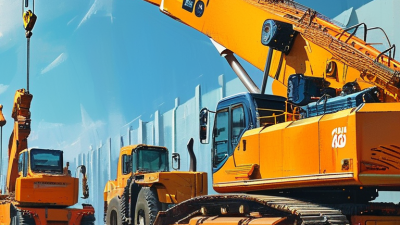
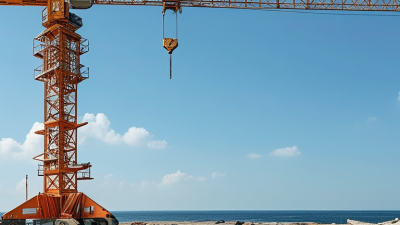
Choosing the right northern crane begins with the load, not the catalogue photograph. A machine may look powerful, yet fail your project’s real demands. Consider lifting capacity, working radius, ground conditions, wind exposure, transport access, and expected operating hours. Measure the site carefully. Small errors can become expensive problems.
Mike Parnell, P.E., a respected crane-safety educator, states, “A lift plan is only as good as the information behind it.” That principle should guide every northern crane decision. Ask suppliers for documented load charts, inspection records, maintenance history, and operator-training requirements. Confirm that the crane suits your materials, terrain, and planned lifting sequence. A crane that performs well on a firm yard may behave differently beside an excavation or on frozen ground.
Do not choose by capacity alone. Bigger is not always better. Fuel use, setup time, transport limits, and restricted access may matter more than maximum tonnage. Speak with operators who have worked in similar conditions. Their practical experience can reveal blind spots in a polished specification sheet. Still, no selection method is perfect. Weather changes. Project scopes shift. Recheck the plan before delivery, and challenge assumptions that no longer match the site. The safest northern crane is the one supported by accurate data, competent people, and disciplined preparation.
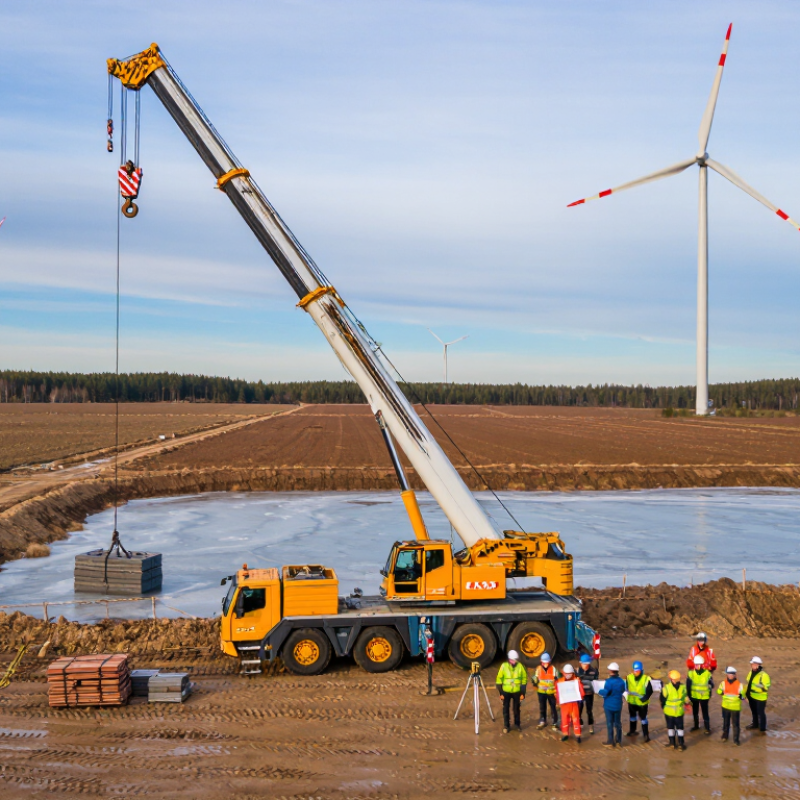
Choosing a northern crane starts with accurate site measurements. Record the heaviest load, its shape, and its lifting points. Include lifting beams, grabs, magnets, and other attachments. A 12-ton load may require a higher rated capacity after dynamic effects and future needs are considered. Do not round the number casually. The span must match the runway width and building clearances. Check columns, roof structure, service platforms, and nearby equipment. Lift height also includes hook approach, headroom, and floor-level access.
Duty cycle determines how often the crane works, not only its maximum load. CMAA Class A suits rare handling and maintenance tasks. Class B supports light, occasional production work. Class C fits moderate service with regular loads. Class D handles heavier production and repeated lifts. Class E suits intensive service with frequent heavy loads. Class F is designed for continuous, severe operation. These classes need careful interpretation. Actual starts per hour, operating hours, load spectrum, and travel distance can change the selection.
A practical review should also examine cold-weather conditions. Low temperatures can affect steel toughness, lubricants, batteries, seals, and control systems. Outdoor exposure may add wind, snow, ice, and condensation. CMAA class does not automatically confirm winter suitability. That assumption is risky. I have found that early estimates often miss idle time and partial loads. Recheck the duty calculation with operators and a qualified engineer. A simple load log from one representative week can reveal a surprisingly different service pattern.
Match the crane’s rated capacity to the heaviest planned load and its lifting height. Do not size it only by average cargo weight. A 12-ton machine may struggle when the load reaches a long working radius. Load charts show how capacity changes with boom angle, radius, counterweight, and reeving. These details matter more than the headline tonnage.
Start with the heaviest complete lift. Include slings, spreader beams, hooks, rigging, and trapped materials. Then check the required hook height, not just the building height. OSHA’s crane regulations require operators to follow rated-capacity limits and manufacturer load charts. The 2023 U.S. Bureau of Labor Statistics report recorded more than 1,000 construction workplace deaths. Careful lift planning cannot remove every risk, but it reduces avoidable pressure.
Cold northern sites create extra concerns. Low temperatures can affect hydraulic response, battery performance, tire pressure, and steel behavior. Wind may also reduce allowable capacity at greater boom heights. ASME B30.5 emphasizes inspection, operational control, and capacity compliance for mobile cranes. I have seen planners choose a crane that works perfectly on paper, then struggle with icy ground and limited setup space. The calculation was not wrong. It was incomplete. Leave practical margin for weather, uneven terrain, and small planning errors. A neat spreadsheet can still mislead.
Choosing the right northern crane begins with its workload, not only its rated capacity. Hoist speed must match the required cycles per hour, lifting distance, and load pattern. A fast hoist may shorten each move, but repeated starts can increase motor heat and brake wear. A slower setting can provide steadier positioning near delicate equipment.
Review real operating data from the worksite. Record average lifts per hour, peak loads, travel distances, and waiting time. Then compare these figures with the hoist’s duty rating and thermal limits. For frequent production lifting, variable-speed control allows smooth acceleration and deceleration. It also reduces swinging when operators handle long beams or uneven loads. Two-speed control may suit simpler tasks with predictable movements. It costs less complexity, but offers less positioning control.
Control location matters as much as speed. A pendant gives direct operation near the load, while a radio control can improve visibility from a safer distance. Include emergency stops, limit devices, and clear feedback for every operating mode. In cold northern conditions, gloves, low temperatures, and reduced visibility can affect response time. Controls should remain practical under those conditions.
Do not calculate cycles from an ideal shift. Real work includes pauses. That estimate can be wrong. Recheck it after several weeks of operation, especially if loads change seasonally. A modest speed with reliable control may outperform a faster system that overheats or encourages rough handling.
Before installation, verify headroom, runway loads, and every clearance dimension. A drawing may look correct, yet a roof brace can block trolley travel. Measure from the finished floor to the lowest obstruction. Include lights, sprinklers, ducts, and future insulation. OSHA 1910.179 requires at least 3 inches of overhead clearance and 2 inches between adjacent cranes or equipment. Treat these as minimums, not comfortable targets. Cold-region buildings may also experience snow drift, thermal movement, and seasonal structural changes.
Runway design must match the crane’s actual wheel loads. Do not size it from rated lifting capacity alone. CMAA Specification No. 70 considers maximum wheel loads, trolley position, impact effects, and horizontal forces. ASCE/SEI 7-22 also requires site-specific structural loading, including environmental actions. Ask a qualified structural engineer to verify runway beams, brackets, columns, connections, and foundation reactions. I have seen neat layouts fail during review because the end-truck wheel loads were missing. That mistake is expensive to correct.
Tips: Record ten measurements. Photograph each obstruction. Request a certified wheel-load chart. Check hook approach distances at both ends. Leave practical maintenance access. Recheck clearances after insulation and services are installed. A small oversight remains possible. Review the plan with the installer, engineer, and operator before fabrication. Sources: OSHA 1910.179, CMAA Specification No. 70, and ASCE/SEI 7-22.
A northern crane must handle more than its rated load. Cold temperatures, ice, wind, and poor visibility can affect daily operation. Start by defining the span, lift height, load weight, duty cycle, and installation environment. Cold changes behavior. Lubricants may thicken, seals can stiffen, and pendant controls may become unreliable.
Check the crane against ASME B30.2 and OSHA 1910.179 requirements before comparing prices. ASME B30.2 provides recognized guidance for overhead and gantry crane construction, inspection, maintenance, and operation. OSHA 1910.179 addresses workplace safety, including rated-load markings, inspections, guards, brakes, hooks, ropes, warning devices, and limit switches. A qualified person should verify the design, installation, and operating procedures for your site. Do not treat a supplier’s statement as complete compliance evidence.
Ask for inspection records, load-test documentation, electrical protection details, and a clear maintenance schedule. Confirm that the crane’s controls and components suit low temperatures and moisture. Check travel paths for snow buildup, uneven rails, and restricted visibility. I have seen projects focus on lifting capacity while overlooking access for inspections. That mistake creates delays later. Document everything. Also, review the latest applicable editions and local workplace rules with a competent safety professional. Standards guide decisions, but actual site conditions can expose weaknesses that paperwork misses.