Top 10 Types of 10 Ton Cranes and Their Uses
Choosing the right 10 ton crane begins with more than checking its advertised capacity. The worksite, lifting radius, duty cycle, headroom, and load shape all influence safe performance. A compact workshop crane may handle steel plates efficiently, while a mobile crane offers reach across uneven outdoor ground. Overhead, gantry, jib, bridge, rough-terrain, truck-mounted, crawler, and floating cranes each solve different problems. Their names can sound similar. Their operating limits are not.
Mike Parnell, a respected crane and rigging safety specialist, expresses the central principle clearly: “The load does not know your schedule.” That reminder matters when a 10 ton crane lifts a hot casting, a concrete beam, or a machine part beside active production lines. Operators must verify the load weight, sling angle, center of gravity, wind exposure, and ground condition before movement. Small details matter. A wet floor can change the setup. A tight corner can increase side loading. A rushed signal can create confusion.
This guide examines ten common crane types and explains where each one performs best. It also considers installation demands, mobility, maintenance, visibility, and operator control. Some classifications overlap, and regional terminology may differ. That is worth admitting. A crane that appears ideal on paper may be unsuitable after a site survey. Real lifting decisions require competent personnel, manufacturer instructions, inspection records, and a documented lift plan. The goal is not to choose the most powerful machine. It is to match the 10 ton crane to the actual task, environment, and risk.
Definition and Key Features of 10-Ton Cranes
A 10-ton crane is lifting equipment rated to handle a maximum load of 10 metric tons under specified conditions. That rating does not apply everywhere. Load radius, boom angle, lifting speed, and ground stability can reduce its safe working capacity. A clear load chart is essential for every operator. It shows how much weight the crane can manage at different positions.
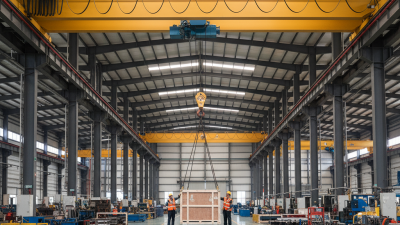
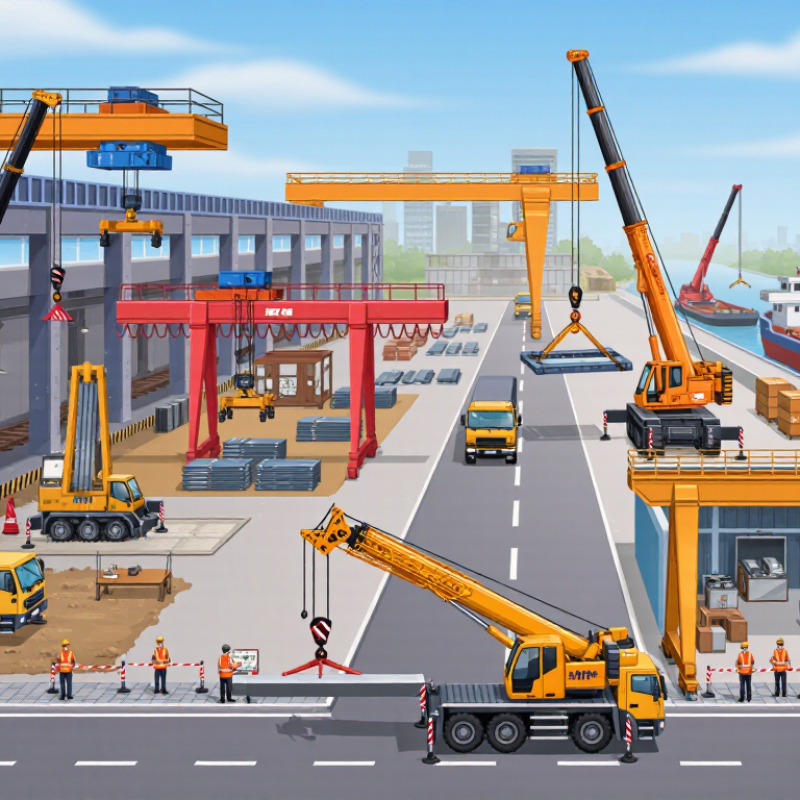
Key features usually include a hoist, lifting hook, brake system, controls, and structural support. Depending on the worksite, the crane may use a bridge, gantry, jib, or telescopic boom. Overhead models suit factories and warehouses, where rails guide movement across a fixed area. Gantry cranes work well in outdoor yards because their legs support the structure directly. Mobile cranes offer flexibility, but uneven ground creates extra risk.
A common field lesson is simple: the crane must match the task, not just the advertised capacity. A 10-ton hoist may lift a compact steel component safely, while a wide load can create dangerous side forces. That distinction matters. Operators should inspect wire ropes, hooks, limit switches, brakes, and emergency controls before each shift. Weather, visibility, and nearby obstacles also affect performance. Slow is safer. In practice, small setup errors can matter more than impressive lifting power. A written lift plan, trained personnel, and clear communication help control those errors.
Top 10 Types of 10-Ton Cranes
Top 10 Types of 10-Ton Cranes and Their Uses
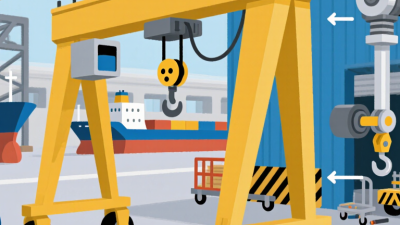
A 10-ton crane can suit very different jobs, depending on reach, mobility, and site conditions. An overhead bridge crane serves factories, lifting molds, steel coils, and machinery between fixed rails. A gantry crane works outdoors or in workshops, moving loads across a ground-level frame. A monorail crane follows one fixed path, often carrying parts through production lines. A jib crane turns around a column or wall, making it useful for loading stations and maintenance bays. Its reach is limited.
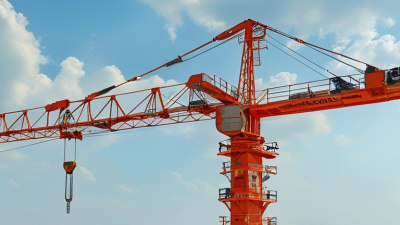
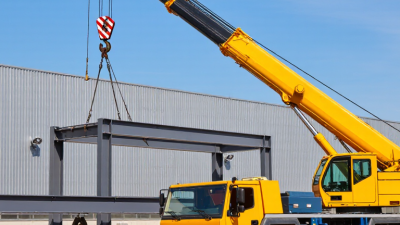
A mobile truck crane travels between construction sites and lifts materials beside roads or buildings. A crawler crane uses tracks instead of tires, giving it better stability on soft ground. A rough-terrain crane handles uneven sites, such as infrastructure projects and remote construction areas. An all-terrain crane combines road travel with strong off-road performance. A tower crane lifts steel, concrete, and formwork at height, although its capacity changes sharply with working radius. A floating crane operates from a barge and supports bridge, port, and marine construction.
In field work, I check the load chart before every lift, not only the crane’s headline capacity. A 10-ton rating may apply near the base, while a longer radius allows much less weight. Ground pressure, wind, sling angles, and overhead obstacles also affect safe operation. Small details matter. I have seen schedules encourage rushed setup, but that habit deserves criticism. Competent operators inspect brakes, hooks, wire ropes, outriggers, and limit devices before lifting. Local regulations and certified inspection requirements must guide the final lifting plan.
Top 10 Types of 10-Ton Cranes and Their Uses
The chart compares representative maximum lifting heights commonly associated with 10-ton crane configurations. Actual performance depends on boom length, duty class, site conditions, and configuration.
Tower and crawler cranes generally provide greater vertical reach, while jib, monorail, and overhead cranes are commonly selected for controlled indoor or localized lifting tasks.
How to Select the Right 10-Ton Crane
Selecting the right 10-ton crane starts with the job, not the advertised capacity. A ten-ton overhead crane suits factories with fixed lifting paths and strong runway beams. A gantry crane works better when no permanent structure exists. Jib cranes fit smaller workstations but offer limited coverage. Mobile cranes provide flexibility across outdoor sites, although ground conditions become critical.
Review the load chart carefully. A 10-ton rating may apply only at a specific reach, height, and configuration. Measure the heaviest load, lifting frequency, span, headroom, and travel distance. Leave room for dynamic loads and future changes. Do not ignore the floor or soil. Soft ground can destabilize even a correctly rated mobile crane. Wind exposure also matters, especially for long loads and outdoor lifting.
Control style affects productivity and operator visibility. Pendant controls are simple, while remote controls can improve positioning around obstacles. Check power supply, emergency stops, inspection access, and maintenance requirements before purchase. Ask a qualified lifting engineer to verify structural capacity and duty classification. A common mistake is choosing a crane from one lifting task alone. I have seen projects fit the crane, then struggle with poor headroom and awkward load rotation. Small omissions create expensive delays. Select the crane that matches the entire lifting environment.
Safety, Inspection, and Maintenance Requirements
Top 10 Types of 10 Ton Cranes and Their Uses
Ten-ton cranes include overhead, gantry, mobile, tower, crawler, rough-terrain, truck-mounted, jib, monorail, and portal cranes. Each design suits different work zones. Overhead cranes serve factories, while mobile cranes support construction and emergency lifting. Tower cranes handle height. Crawler cranes offer stability on prepared ground.
Safety starts before the hook leaves the ground. A competent person should verify load weight, radius, ground bearing, wind limits, lifting accessories, and communication signals. OSHA data recorded 297 crane-related construction deaths from 2003 to 2008, averaging about 41 fatalities annually. The figure is old, but the warning remains relevant. A ten-ton rating does not make every lift safe.
Inspect wire ropes for broken strands, crushing, corrosion, and bird-caging. Check hooks for throat opening, cracks, and damaged latches. Examine brakes, limit switches, emergency stops, outriggers, and control systems. Under UK LOLER guidance, lifting equipment generally needs thorough examination at least every 12 months, or every six months for lifting accessories and people-lifting equipment. Other jurisdictions may require different intervals. Follow the stricter site rule when uncertainty exists. Keep inspection records with defect photos and repair dates. Maintenance should follow the manufacturer’s technical limits, but field conditions often expose gaps. A perfect checklist does not exist. Competence still matters.