
What Is the 2026 Best Mobile Hoist Crane Type?
Choosing the 2026 best mobile hoist crane is not simply about selecting the largest model. The right choice depends on load weight, lifting height, travel distance, floor strength, and operator visibility. A 500-kilogram crane may suit a narrow workshop. A heavier machine may require wider aisles and reinforced flooring. At 7:30 a.m., a crane crossing a wet loading bay faces different demands from one used on a clean factory floor. That detail matters.
Lifting-equipment consultant Martin W. Heller states, “The best mobile hoist crane fits the worksite before it fits the brochure.” This practical view supports a careful comparison of electric, battery-powered, self-propelled, and compact hydraulic designs. Each type offers advantages. None is perfect. Battery models reduce exhaust emissions indoors, but charging time can disrupt busy shifts. Hydraulic units deliver strong lifting performance, yet they may demand more maintenance and operating space.
This guide examines which mobile hoist crane type may perform best in 2026 applications. It considers rated capacity, duty cycle, turning radius, emergency controls, battery endurance, and manufacturer support. It also considers floor loading and inspection access. Small errors matter. A crane that looks efficient on paper may feel awkward beside a crowded production line. We should also admit a limitation: product specifications do not reveal every real-world problem. Operator training, weather, poor visibility, and rushed planning can change the result. The most reliable decision combines verified data, site measurements, experienced supervision, and honest reflection after daily use.
Mobile Hoist Cranes: Definition, Purpose, and Core Components
What Is the 2026 Best Mobile Hoist Crane Type?
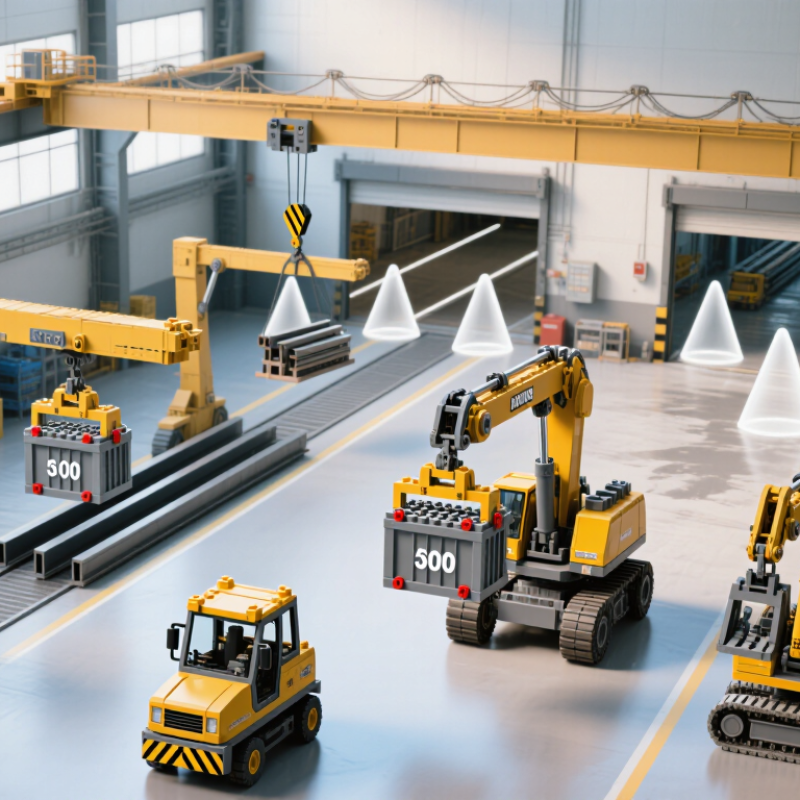
A mobile hoist crane is a lifting machine mounted on wheels, tracks, or a compact movable frame. It transports loads around workshops, warehouses, construction areas, and maintenance sites. Unlike a fixed crane, it can serve changing work zones with less permanent installation. The best 2026 type depends on load weight, lifting height, floor conditions, power access, and transport frequency. Choosing only by maximum capacity is a common mistake.
Core components include the hoist motor, wire rope or chain, hook, boom, mast, base, brakes, outriggers, controls, and load limiter. Electric hoists suit indoor work where stable power is available. Hydraulic systems can offer strong lifting performance outdoors, especially on uneven projects. Track-mounted models provide better ground contact, while wheeled models move faster on firm surfaces. In practice, operators should inspect brakes, hooks, ropes, tires, and emergency controls before every shift. Small defects can become serious under load.
Tips: Keep the rated load chart visible near the controls. Check ground firmness before extending outriggers. Lift slowly for the first few centimeters. Watch for swinging, blind spots, and overhead obstructions. A trained operator should confirm the center of gravity before moving any load. Real sites rarely match catalog conditions. That is why a conservative capacity margin remains wise.
What Is the 2026 Best Mobile Hoist Crane Type?
Mobile Hoist Cranes: Definition, Purpose, and Core Components
| Crane Type | Typical Rated Capacity | Typical Working Height or Reach | Mobility and Setup | Main Advantages | Common Applications | Key Limitations | Best Choice When |
|---|---|---|---|---|---|---|---|
| Manual Mobile Gantry Crane | Approximately 0.25–5 tonnes | Adjustable clear height commonly around 2–4 metres; span often about 2–6 metres | Steel or aluminium frame with casters; usually positioned manually and locked before lifting | Simple construction, low operating cost, easy relocation, and no fixed installation required | Maintenance workshops, machine rooms, warehouses, assembly areas, and light industrial work | Manual travel can be difficult on uneven floors; capacity and span are limited compared with larger cranes | Frequent light-to-medium lifting at multiple indoor workstations |
| Electric Mobile Gantry Crane | Approximately 1–10 tonnes | Commonly around 3–8 metres of lifting height, depending on the hoist and frame configuration | Powered hoist and often powered travel; requires suitable electrical supply and clear floor paths | Faster lifting, reduced operator effort, and better productivity for repetitive handling | Manufacturing plants, fabrication shops, equipment installation, and production maintenance | Higher purchase and maintenance costs; electrical controls require inspection and protection from harsh conditions | Repeated lifting cycles where speed and reduced manual handling are priorities |
| Hydraulic Mobile Gantry Crane | Approximately 5–20 tonnes | Often around 3–8 metres, with height adjusted through hydraulic lifting columns | Heavy-duty frame with hydraulic cylinders; typically assembled or moved in sections | High lifting capacity, controlled height adjustment, and strong suitability for heavy machinery | Plant relocation, heavy equipment maintenance, construction support, and industrial installation | Heavier and less compact; hydraulic systems require leak prevention, maintenance, and stable ground | Heavy loads must be lifted where a fixed overhead crane is unavailable |
| Telescopic Mobile Crane with Hoist | Approximately 1–10 tonnes for compact industrial configurations | Reach commonly varies from about 3–12 metres, depending on boom length and load radius | Vehicle-mounted or self-propelled structure with a telescopic boom, outriggers, and hoisting system | Greater horizontal reach, flexible positioning, and improved access around large work areas | Outdoor construction, infrastructure maintenance, utility work, and equipment placement | Rated capacity decreases as boom radius increases; requires ground assessment, exclusion zones, and stabilizers | The load is located away from the crane position or access is restricted |
| Pick-and-Carry Mobile Crane | Approximately 10–50 tonnes for common industrial and construction classes | Typical boom lengths range from about 10–30 metres, subject to load radius and configuration | Self-propelled machine designed to lift and travel with a load within approved operating conditions | Rapid relocation, reduced setup time, and efficient material movement across prepared sites | Construction sites, precast handling, industrial yards, and infrastructure projects | Requires strict load-chart compliance; stability and capacity are affected by travel conditions and surface quality | Loads must be moved over short distances without repeated crane setup |
| All-Terrain Mobile Crane | Approximately 20–500 tonnes, depending on crane class and configuration | Long telescopic booms commonly provide about 20–80 metres of main-boom reach | Road-capable chassis with multiple axles, outriggers, telescopic boom, and advanced control systems | Combines highway mobility with strong lifting performance and wide operating flexibility | Large construction projects, plant installation, wind-energy work, and infrastructure development | High operating cost, transport planning requirements, large working footprint, and complex setup | Large outdoor lifts require both road mobility and substantial lifting capacity |
| Rough-Terrain Mobile Crane | Approximately 10–100 tonnes | Typical telescopic boom lengths range from about 10–50 metres | Four-wheel-drive chassis with large tires, outriggers, and a compact body for prepared off-road areas | Good maneuverability on construction sites and improved access over uneven but suitable ground | Building construction, remote sites, industrial yards, and infrastructure maintenance | Usually not intended for long-distance road travel while configured for site work; requires stable support | The project is on uneven or undeveloped ground with limited site access |
| Crawler Mobile Crane | Approximately 30–3,000 tonnes, depending on crawler size and boom arrangement | Typical boom systems range from about 20–100 metres, with lattice extensions available on many models | Tracked undercarriage distributes ground pressure and may allow limited travel with a load | High stability, strong lifting capacity, and suitability for soft or challenging ground conditions | Heavy infrastructure, bridge construction, power projects, petrochemical work, and major industrial assembly | Slow site relocation, significant transport logistics, and substantial assembly space requirements | Very heavy lifts and long-duration projects justify transport and assembly time |
Note: Capacity, reach, and working height vary by model, boom length, counterweight, load radius, ground conditions, and lifting configuration. The applicable manufacturer load chart, local regulations, pre-use inspection, and site risk assessment must always govern crane selection and operation.
Related Posts
-
How to Choose the Right Small Gantry Crane for Your Needs?
-
What Are the Top Rolling Gantry Crane Types in 2026?
-
Top 10 Benefits of Using a 1 Ton Crane for Your Heavy Lifting Needs
-
What is a Mobile Hoist Crane and How Does It Work?
-
How to Choose the Best Trailer Crane for Your Needs?
-
What is a Trailer Crane and How Does It Work?