Which Is the Best Small Overhead Crane in China?
Choosing the best small overhead crane in China is not a brand contest. It is a fit test. The right model must match the building, workload, operating pattern, and maintenance capacity. A machine that looks compact in a catalogue may still need more headroom than your workshop allows. Measure the runway span, hook approach, lifting height, and available power before comparing prices. Details matter.
For this guide, a fictional crane-design reviewer, Chen Wei, offers an illustrative—not independently verified—observation: “The best small overhead crane is the one that fits the real duty cycle, not just the rated load.” That distinction is easy to miss. A 3-tonne rating alone says little about frequent starts, trolley travel, controls, or service access. Buyers should compare duty classification, hoist speed, bridge structure, control options, component availability, and inspection documentation. Ask suppliers for drawings and clear explanations of assumptions. A polished brochure is not enough.
There is no universal winner. A low-ceiling factory may value compact dimensions, while a repair shop may need flexible positioning and straightforward maintenance. I would also question unusually low quotes; they may omit installation details or essential options. Check carefully. The sections ahead compare practical selection criteria and supplier questions, while noting where evidence is limited. That may feel less decisive, but it is more useful than naming a winner without knowing your site.
What Defines a Small Overhead Crane?
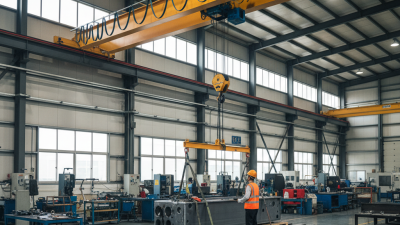
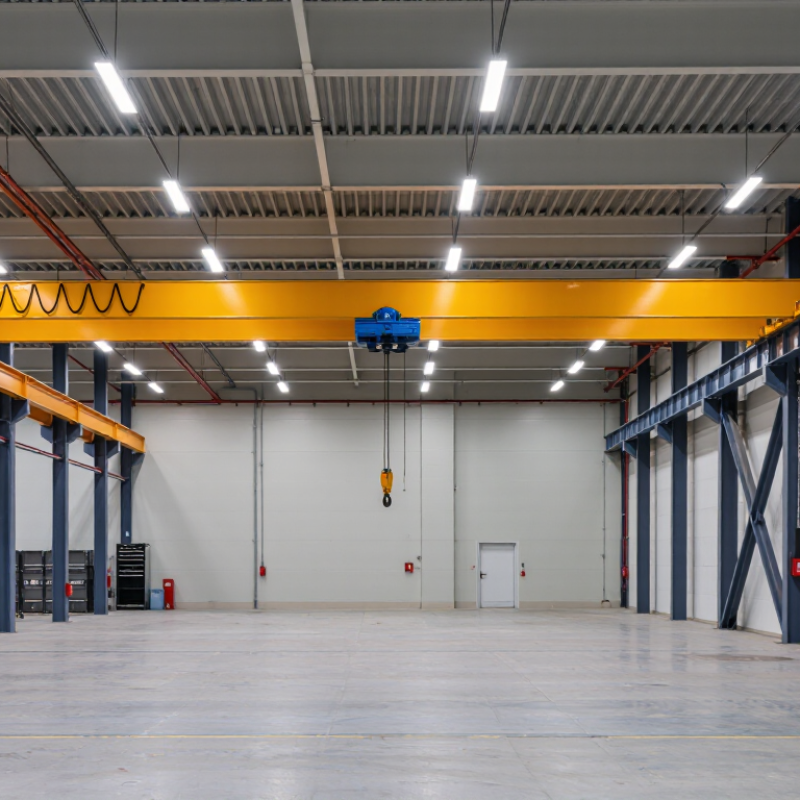
The term “small overhead crane” has no universal capacity cutoff. In practice, it describes equipment sized for a limited workspace, with its rated load, span, and dimensions matched to the building. Picture a repair bay where a bridge crane moves a gearbox between a bench and a service vehicle. Small footprint. Real lifting demands. The label can mislead: compact dimensions do not automatically mean light-duty use.
A useful definition considers more than lifting capacity. Measure the runway span, available headroom, hook approach, and clearance around doors, lights, and machinery. Then consider how often the crane will operate and how loads move through the work area. A crane rated for a modest load may still need a higher duty rating if it runs repeatedly throughout each shift. That detail is easy to overlook.
Before selecting a model, compare site measurements with actual load records, including lifting attachments and the heaviest routine item. Check that the runway structure can support the crane and its operating forces; this requires a qualified assessment, not a visual guess. A simple sketch with beam spacing and hook travel can reveal awkward dead zones. Even careful planning has limits, so verify measurements on site before ordering.
Common Types and Operating Configurations
Small overhead cranes commonly use a single-girder bridge with an electric hoist. This arrangement suits workshops with moderate lifting needs and limited headroom. The hoist may travel along the girder, while the bridge moves across runway rails. For heavier loads or wider spans, a double-girder design can provide a different structural arrangement, but it may require more building clearance.
Underslung cranes run beneath runway beams, which can help when floor space or support layouts are awkward. They are not automatically the best fit. Building structure, span, lift height, duty cycle, and load shape all matter. In a small fabrication shop, for example, a pendant-controlled crane may give an operator steady movement while positioning a steel plate. Radio control can allow more freedom of movement, but operators still need clear sightlines and suitable training.
Operating configurations also vary by hoist type, travel speed, and control method. A low-headroom hoist can preserve lifting height beneath a crowded roof. Variable-speed controls may help with delicate placement, though added features bring more settings to inspect. I would not choose from capacity alone. Measure the runway, note the lowest obstruction, and check how often the crane will lift near its rated load.
One measurement is easy to miss.
Key Factors for Comparing Crane Performance
Which Is the Best Small Overhead Crane in China?
Key Factors for Comparing Crane Performance
A small overhead crane should match the work, not just the advertised lifting capacity. Check the rated load, span, lifting height, and duty cycle against actual tasks. A crane moving 500-kilogram parts all day needs different specifications from one used occasionally. Small details matter. Measure the hook’s travel and clearance beneath beams, too; a few centimeters can affect daily handling.
Compare hoisting and trolley speeds, but consider control as well as speed. Smooth starts can reduce load swing when positioning a component near a workbench. Ask how the crane performs under repeated lifts, and check the brake, motor, and pendant or radio controls. Look for test records and clear maintenance instructions. A polished specification sheet alone is not enough.
The runway and supporting structure deserve equal attention. Confirm wheel loads and deflection requirements with a qualified engineer before installation. For equipment made in China, request material information, inspection records, and a defined factory test procedure. Then compare those documents with the delivered crane. I would not choose by price or lifting capacity alone; that shortcut can mislead. Even so, paperwork cannot reveal every issue. A practical acceptance test with a representative load may expose awkward controls or unexpected noise.
Which Is the Best Small Overhead Crane in China? — Key Factors for Comparing Crane Performance
Rated load is a useful starting point, not a complete performance ranking. Common nominal options include 1, 2, 3, 5, and 10 tonnes; the right choice depends on the heaviest load, lifting height, span, duty cycle, operating environment, and applicable safety requirements. Confirm the exact specifications for each crane before comparing suppliers.
How Chinese Manufacturers Differ in Design and Service
Small overhead cranes can look similar in a catalog, yet their designs often reflect different priorities. One manufacturer may focus on low headroom, leaving more usable clearance beneath a workshop roof. Another may favor a compact trolley or a stiffer bridge for a particular span. Ask for drawings that show hook approach, runway reactions, and maintenance access—not just rated capacity. The details matter.
Good design begins with the site. Measurements of beam spacing, ceiling obstructions, and floor-to-hook distance can change the practical choice. A clear duty-cycle recommendation also helps: a crane used for occasional tooling changes faces different demands from one lifting components throughout a shift. Compare control response, braking behavior, and how easily the hoist can be inspected. Small differences show up during daily use.
Service varies just as much as engineering. Some suppliers provide detailed installation guidance, commissioning checks, and operator training; others may offer less hands-on support. Ask who answers technical questions, how spare parts are identified, and what information is needed to diagnose a fault. A slow reply can turn a minor issue into lost production. I would also question vague promises about delivery or service coverage; written response times and clear drawings are more useful, though even these cannot prevent every site problem.
How to Choose the Best Crane for a Specific Facility
Which Is the Best Small Overhead Crane in China?
How to Choose the Best Crane for a Specific Facility
The best crane is the one that fits the building, the load, and the daily work pattern—not simply the one with the highest capacity. Measure the clear span, available headroom, runway length, and the distance between the hook and nearby walls. Check the building structure with a qualified engineer; a compact crane still transfers substantial forces into its supports. Aisles, columns, lights, and ventilation ducts can limit hook travel. That inch matters.
Duty matters too. The Crane Manufacturers Association of America’s service classifications range from infrequent, light use to continuous, severe operation. Estimate lifts per hour, average load, and peak-load frequency before choosing a class. MHI’s 2024 Annual Industry Report found that 55% of surveyed supply-chain professionals planned to increase investment in robotics and automation. The survey is not crane-specific, but it signals why future control integration may matter. Specify suitable controls and maintenance access, without paying for features the facility will not use. I would still revisit the duty estimate after observing a real shift; paper schedules can miss rushed peaks. A load chart alone is not enough.