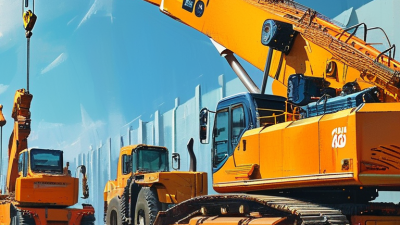
Choosing a hoist crane is not just a matter of lifting the heaviest load on your floor. The right system must suit the load, lift height, duty cycle, workspace, and operators who use it every day. A compact electric chain hoist may fit a repair bay, while a bridge crane can serve a busy production line. The details matter: a low ceiling, a long trolley travel, or frequent starts can change the decision.
Hoist-crane specialist Alex Morgan puts the principle simply: “Choose for the work you actually do, not the maximum you might imagine.” That is a useful reminder, though no single rule replaces a site assessment. Start with the heaviest routine load, then check its shape, lifting points, and movement path. Consider how often the crane runs, how much headroom remains, and whether the structure can support the equipment. Ask suppliers for duty-class guidance, installation requirements, maintenance needs, and clear documentation. Compare the whole operating setup, not just the purchase price.
Small details can become daily frustrations. A hook that barely clears a machine. A pendant that cannot reach the operator. These are easy to overlook on a specification sheet. This guide will help you compare hoist types, capacity, drive options, controls, safety features, and installation factors. It cannot replace an engineer’s review of your site, and some choices may need revisiting once real operating patterns become clear. That is worth admitting early. A carefully matched hoist crane should make routine lifts more predictable, not merely look impressive in a catalog.
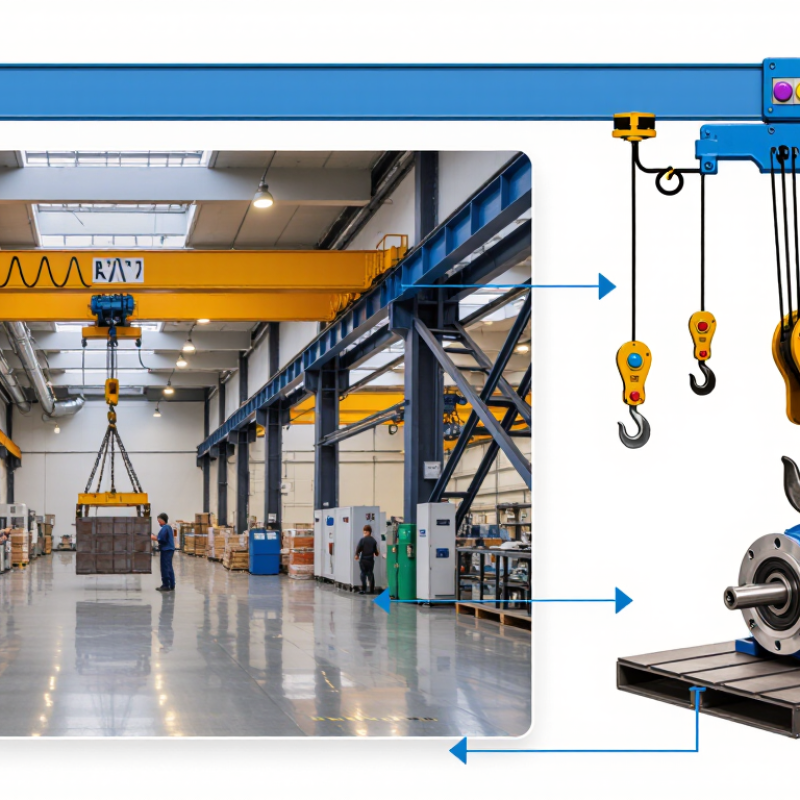
Choosing a hoist crane starts with the work, not the catalog. Record the heaviest load, including lifting attachments, and note how often loads approach that weight. A 2-ton hoist may handle occasional 1-ton lifts comfortably, but repeated near-capacity cycles can change the duty requirement. Be precise. Also measure the lift height from the lowest hook position to the highest, allowing room for the load and any overhead obstructions.
HMI hoist classes help match equipment to workload. They consider factors such as operating time, load spectrum, and cycles per hour. A light-duty class may suit infrequent maintenance lifts; production lines with frequent starts and varied loads may need a higher class. Estimate a typical shift, not just the busiest hour. Still, estimates are imperfect. Keep a record of actual cycles and revise your assumptions after observing real use.
Tips: Write down load weights, lifts per hour, shift length, and required hook travel. Include occasional heavy picks. Ask a qualified crane professional to review the duty class and supporting structure before purchase. If operators report slow lifting, unusual heat, or frequent maintenance, revisit the selection rather than assuming the hoist is simply aging.
The right hoist depends on more than the heaviest item you lift. Check the load’s weight, lifting height, travel speed, and daily duty cycle. Chain hoists are often compact and practical for workshops with moderate lifting needs. Their straightforward design can make routine inspection easier. Wire-rope hoists are commonly selected for higher capacities, faster lifting, or longer lift heights. They may suit production lines where repeated cycles matter. Actual performance depends on the model and installation, so compare rated capacity and duty classification rather than relying on appearance.
The environment matters, too. Fine dust can affect moving parts, while moisture may increase corrosion risk. Consider the temperature, exposure, available headroom, and how often the hoist operates. A wire-rope unit may offer useful speed, but it can require more space and careful maintenance. A chain model may fit a tight bay, yet its lifting speed may slow a busy workflow. I have seen teams focus on purchase cost and overlook these trade-offs; that can be an expensive miss.
Tips: Record typical and maximum loads, lift height, and cycles per shift before comparing options. Ask a qualified supplier or engineer to confirm suitability, mounting, and inspection needs. Check the chain or rope, hook, brake, and controls regularly. Keep the choice practical. A little uncertainty is worth resolving before installation.
How to Choose the Right Hoist Crane for Your Business?
A suitable hoist crane should match the work, not just the heaviest item on your floor. Check the load’s weight, shape, lifting points, and travel distance. Include slings and other attachments when calculating the suspended load. The rated load is a firm upper limit, not a target to exceed. Leave room for uncertainty; uneven or shifting loads can behave differently than expected.
Hoist speed should fit the workflow. A fast lift may help with repetitive transfers, while slower, controlled movement can make precise positioning easier near benches or production lines. Consider how often the crane runs and how long each lift lasts. Motor power and duty rating need to support that pattern without overheating. A detail that is easy to miss: the fastest option may not improve output if workers must pause to steady each load.
Tips: Observe a normal shift before choosing. Note typical load weights, lift heights, cycle times, and tight clearances. Compare those notes with the hoist’s rated capacity and operating limits. Ask a qualified crane professional to review the selection and installation conditions. Recheck the assumptions after a trial period; the first estimate may be imperfect, and that is worth correcting early.
Choosing a hoist crane starts with the building, not the catalog. Measure the runway span, hook travel, headroom, and available power. Check that the crane, hoist, trolley, and runway support the intended load and duty cycle. A 2-ton hoist does not make an undersized runway safe. It sounds obvious, yet this mismatch is easy to overlook.
Treat OSHA’s 125% rated-load figure as a test limit, not a routine operating target. For overhead and gantry cranes covered by OSHA’s rule, test loads generally must not exceed 125% of rated load unless the manufacturer recommends otherwise. Testing should follow the applicable standard and equipment instructions, with qualified personnel and controlled conditions. Never use the limit to justify lifting more than the crane’s rated capacity. Verify which rules apply to your specific crane and workplace.
Before purchase, ask for written confirmation of capacity, duty classification, installation requirements, and test procedures. Compare these details with real work: repeated starts, long shifts, uneven loading, and low ceilings. A small clearance error can make a planned lift awkward. I have seen neat specifications miss practical constraints; measurements deserve a second look. Make the fit clear before money changes hands.
Illustrative rated capacities and their corresponding 125% test-load values.
Choose a crane and hoist rated for the loads and operating conditions in your application, and verify compatibility with the supporting structure and accessories. The test-load values shown are calculated as 1.25 times each example rated capacity. Under OSHA standard 29 CFR 1910.179(k)(2), test loads must not exceed 125% of rated load unless otherwise recommended by the manufacturer; follow applicable requirements and manufacturer guidance.
How to Choose the Right Hoist Crane for Your Business?
Selecting a hoist crane begins with inspection planning, not only lifting capacity. Check the load weight, lifting frequency, travel distance, headroom, and working environment. A dusty workshop may require different protection than a clean assembly area. The hoist must also suit the structure supporting it. An adequate capacity rating cannot correct a weak runway or poorly aligned trolley.
Plan inspections under ASME B30.16 and applicable OSHA requirements. Define frequent and periodic inspections according to service conditions, usage, and manufacturer instructions. Inspect the hook, latch, chain or wire rope, brake, controls, pendant, and limit devices. Look for stretched links, cracked hooks, unusual noise, oil leaks, and damaged controls. Record each finding, repair, and return-to-service decision. Records create accountability. They also reveal repeated failures that simple checklists may miss. In practice, maintenance teams sometimes focus on the motor and overlook the hook latch. That small mistake deserves reflection.
Tips: Assign a trained person to each inspection. Keep inspection intervals visible near the crane. Lock out equipment before repairs. Never treat a clean appearance as proof of safe operation. Review the applicable OSHA rule and current ASME edition before finalizing your program. A qualified professional should verify structural support, electrical protection, and operating procedures. Leave room for judgment. Real workplaces rarely match the original plan exactly.
| Decision or planning factor | What to assess | Practical selection guidance | Inspection and maintenance planning | Relevant reference |
|---|---|---|---|---|
| Hoist configuration | Whether the hoist will be stationary, underhung, or part of an overhead crane system; available headroom and runway arrangement. | Match the hoist and supporting structure to the load path, mounting arrangement, travel needs, and available clearance. Confirm that the structure is suitable for the imposed loads. | Include the hoist, suspension, trolley, controls, and supporting components in the inspection plan. Inspect after installation and before putting new or altered equipment into service as applicable. | ASME B30.16 applies to overhead underhung and stationary hoists. OSHA requirements depend on equipment type and workplace conditions. |
| Rated capacity | Maximum load, load weight variability, lifting attachments, and any foreseeable side loading or shock loading. | Select equipment with a rated capacity suitable for the intended load and configuration. Do not exceed the marked rated load; account for below-the-hook devices where applicable. | Check that capacity markings are legible and that hooks, load chain or rope, and attachments show no signs of overload, deformation, or other damage. | ASME B30.16; applicable OSHA provisions, including 29 CFR 1910.179 for covered overhead and gantry cranes. |
| Duty and operating frequency | Lifts per shift, operating hours, load distribution, starts and stops, and expected service severity. | Choose a hoist whose rated service and duty classification suit the actual work cycle. Ask the supplier or a qualified person to assess demanding or highly repetitive service. | Use operating severity and service conditions to set inspection frequency. More frequent use, harsh environments, or evidence of accelerated wear may require more frequent checks. | ASME B30.16 inspection guidance; manufacturer instructions. |
| Lift height and speed | Required vertical travel, lifting speed, positioning accuracy, and whether variable-speed control is needed. | Choose lift height and speed for the task while allowing safe clearance and controlled load movement. Consider slower or variable-speed operation where precise positioning is important. | Include brakes, controls, limit devices, and the full travel path in functional checks and scheduled inspections. | ASME B30.16; manufacturer instructions and applicable OSHA rules. |
| Load chain or wire rope | Hoist design, compatibility with the operating environment, load path, and manufacturer-specified inspection criteria. | Use only the specified chain or rope and compatible components. Do not substitute parts based only on apparent fit. | Check for wear, damage, corrosion, twisting, deformation, and other rejection conditions using the applicable manufacturer and standard criteria. Remove defective equipment from service until evaluated and corrected. | ASME B30.16; manufacturer inspection and rejection criteria. |
| Environment and power | Indoor or outdoor use; dust, moisture, corrosive substances, temperature, hazardous locations, and available power supply. | Specify equipment and protection appropriate to the environment and power source. Confirm hazardous-location requirements where applicable before purchase. | Set checks for environmental damage, electrical components, enclosures, controls, and corrosion. Increase attention where conditions accelerate deterioration. | Applicable OSHA requirements; electrical and hazardous-location rules where relevant; manufacturer instructions. |
| Frequent inspections | Operational condition and visible wear or damage between more detailed inspections. | Assign trained personnel and provide a clear process for reporting defects and taking unsafe equipment out of service. | ASME B30.16 describes frequent inspection intervals ranging from daily to monthly, depending on service, use, and environment. OSHA 29 CFR 1910.179 uses daily-to-monthly intervals for frequent inspections of covered cranes. | ASME B30.16; OSHA 29 CFR 1910.179(j), where applicable. |
| Periodic inspections | More detailed assessment of the hoist and its components by a qualified or designated person, as required by the applicable rules. | Plan inspections around service severity, manufacturer instructions, and applicable regulatory requirements; retain findings and corrective-action records. | ASME B30.16 describes periodic inspection intervals ranging from 1 to 12 months, depending on service. OSHA 29 CFR 1910.179 specifies periodic inspection intervals of 1 to 12 months for covered cranes. | ASME B30.16; OSHA 29 CFR 1910.179(j), where applicable. |
| Maintenance and defect response | Lubrication, adjustment, repairs, replacement parts, and recurring defects identified during inspection. | Follow the manufacturer’s maintenance instructions and use compatible replacement parts. Keep repairs and adjustments within the competence of assigned personnel. | Document defects, actions taken, and return-to-service decisions. Do not operate equipment with a condition that could affect safe operation until it has been evaluated and corrected. | ASME B30.16; applicable OSHA requirements; manufacturer instructions. |
| Planning note: Inspection ranges in this table are general standard-based guidance, not a substitute for the current edition of ASME B30.16, applicable OSHA regulations, manufacturer instructions, or a site-specific assessment. Confirm which requirements apply to the particular hoist and crane system. | ||||