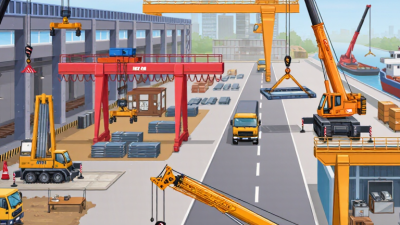
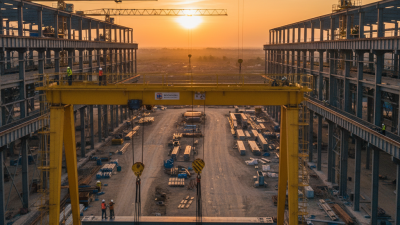
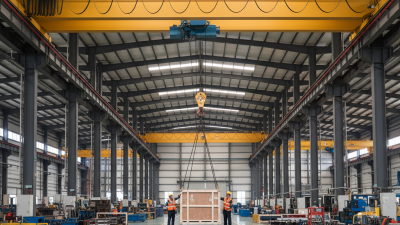
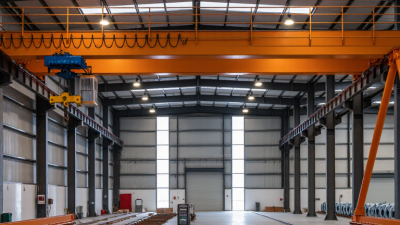
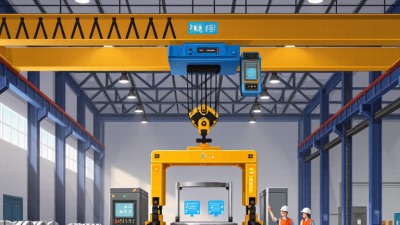
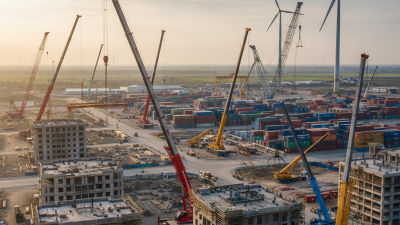
How much does a 10 ton crane cost? The honest answer depends on the crane type, lifting height, working radius, location, and purchase condition. A compact mobile crane may cost between $80,000 and $250,000 used. New models can exceed $400,000. Overhead and gantry cranes often begin near $20,000, but installation can add thousands more.
Industry reports show why simple price lists can mislead buyers. Grand View Research identifies construction growth, infrastructure spending, and industrial modernization as major crane-market drivers. The 2024 KHL Yellow Table also confirms strong demand for major lifting equipment worldwide. However, these reports rarely isolate one exact 10 ton crane configuration. That gap matters.
Mike Popowski, president of Maxim Crane Works, has emphasized a practical principle: “The right crane is the safest crane.” The sentence sounds simple. It is not a complete buying formula. A cheaper machine may require more maintenance, transport planning, or operator training. Those hidden costs can quietly change the final figure.
A realistic budget should include delivery, inspections, insurance, installation, servicing, spare parts, and operator costs. For example, a used 10 ton crane may look affordable at $120,000. Add hydraulic repairs and compliance upgrades, and the decision changes quickly. Rental can be smarter for short projects. Ownership may win for repeated lifting work.
This guide compares purchase prices, rental rates, operating expenses, and long-term value. Figures vary by country and specification. Treat every estimate as a planning range, not a guaranteed quotation.
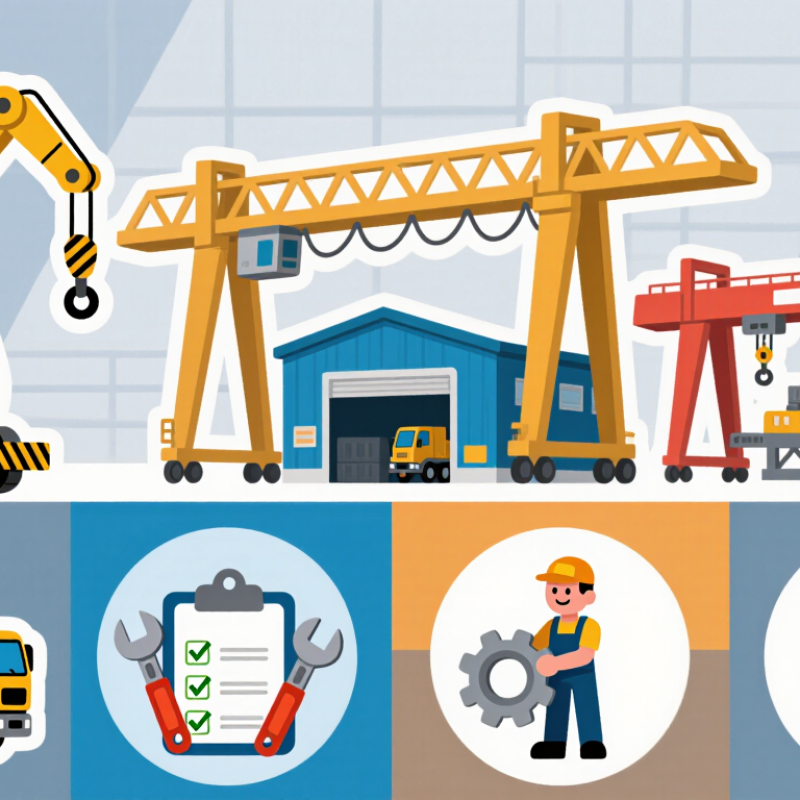
A 10-ton crane is lifting equipment rated to handle up to 10 metric tonnes under specific conditions. The rating is not a promise for every lift. It depends on boom length, working radius, ground stability, and load position. At a longer radius, the safe capacity can drop sharply. The load chart controls the decision.
Several crane types can carry a 10-ton rating. A mobile crane travels between work areas and suits changing site conditions. An overhead crane moves along fixed runway beams inside a facility. A rough-terrain crane offers stronger mobility on uneven construction ground. Each design needs different space, setup time, and operator skill.
In practical lifting work, I would check the load weight, lifting points, headroom, and surrounding obstacles first. A steel beam may weigh 10 tons, but slings, hooks, and rigging add extra weight. Wind can also affect a suspended load. Never estimate capacity by appearance. It is easy to overlook the working radius.
The purchase price can vary widely. Configuration, boom length, safety systems, transport, installation, and inspection history all influence cost. Rental rates may include delivery but exclude setup or certified rigging. A useful crane with the wrong capacity can become an expensive mistake. Load planning deserves more attention than the headline price.
How Much Does a 10 Ton Crane Cost?
What Factors Determine the Cost of a 10-Ton Crane?
Capacity alone does not set the price. A 10-ton crane may cost far more when it needs a longer span, higher lifting height, or frequent operation. A workshop crane with a short runway is usually simpler than a system covering a large production area. The required duty class also matters. Repeated lifts, hot materials, or continuous shifts demand stronger components and better heat control.
Installation can change the budget quickly. Transport distance, building access, roof height, and existing structural strength all affect labor costs. A reinforced runway may be necessary before installation. Power supply, pendant controls, remote controls, brakes, and safety devices add further expenses. Site measurements should be completed before requesting a final quotation. Small errors here can become expensive corrections.
The purchase price is only one part of ownership. Operators need training, scheduled inspections, lubrication, and replacement parts. Some projects are better suited to rental, especially when lifting work lasts only a few months. Used equipment may reduce the initial cost, but its maintenance history must be verified carefully. A low quote can hide missing installation work or unsuitable specifications. I have seen early estimates fail because they ignored floor loading and delivery access. That mistake is avoidable, although not every site makes planning easy. Emergency repairs, downtime, and future capacity should also influence the decision.
| Cost Factor | Typical Specification | Estimated Cost Range (USD) | How It Affects the Price |
|---|---|---|---|
| Crane Type | Single-girder overhead crane | $20,000–$60,000 | Usually the most economical option for standard indoor lifting applications. |
| Crane Type | Double-girder overhead crane | $35,000–$90,000 | Costs more because of its heavier structure, greater headroom, and higher-duty capability. |
| Crane Type | 10-ton gantry crane | $25,000–$80,000 | May reduce building modification costs because it is supported by legs and rails rather than runway beams. |
| Crane Type | 10-ton jib crane | $8,000–$35,000 | Generally less expensive, but it has a shorter working radius and lower coverage area. |
| Span | 30–60 ft (9–18 m) | Included in base range | A longer span requires more steel, stronger runway components, and potentially larger motors. |
| Lifting Height | 20–30 ft (6–9 m) | $2,000–$10,000 additional | Higher lift requirements may need a longer chain or wire rope, taller supports, and special reeving. |
| Duty Classification | Light to moderate use | Base price | Suitable for occasional lifting and fewer operating cycles per hour. |
| Duty Classification | Heavy or continuous industrial use | $10,000–$35,000 additional | Requires stronger components, higher-rated motors, improved brakes, and enhanced heat dissipation. |
| Hoist and Trolley | Electric wire-rope hoist with motorized trolley | $8,000–$25,000 | Price depends on lifting speed, travel speed, reeving arrangement, controls, and duty rating. |
| Controls | Pendant control | Included or $500–$2,000 | A wired pendant is a cost-effective control method for straightforward operations. |
| Controls | Radio remote control or cabin control | $2,000–$12,000 additional | Adds operating flexibility and may improve visibility and operator safety. |
| Runway System | Existing runway suitable for the crane | $0–$10,000 | Using an existing, structurally suitable runway can significantly reduce project cost. |
| Runway System | New runway beams, rails, columns, or supports | $20,000–$100,000+ | Building structure, runway length, foundation work, and installation access are major cost drivers. |
| Installation and Commissioning | Standard indoor installation | $8,000–$30,000 | Includes assembly, alignment, electrical connection, testing, and operator training. |
| Site Conditions | Restricted access, hazardous area, or outdoor exposure | $5,000–$40,000 additional | Special coatings, weather protection, explosion-resistant equipment, or difficult lifting access can increase costs. |
| Inspection and Compliance | Load testing, engineering review, and certification | $1,500–$8,000 | Costs vary according to local regulations, required documentation, and the complexity of the installation. |
| Typical Total Project Cost | New 10-ton overhead crane with standard features | $40,000–$150,000+ | The final price includes the crane, hoist, controls, runway modifications, installation, testing, and commissioning. |
Note: These are indicative market ranges in U.S. dollars for a new 10-ton crane project. Actual pricing depends on design requirements, location, material costs, labor rates, applicable safety standards, and site conditions. Taxes, freight, building reinforcement, and long-term maintenance may be quoted separately.
A new 10-ton crane usually costs between $60,000 and $250,000, depending on its design. A factory overhead bridge crane often falls near $60,000–$140,000. A mobile crane with road equipment, hydraulic systems, and operator controls can exceed $200,000. These figures reflect 2024 pricing ranges reported in equipment cost guides and dealer-market analyses, including EquipmentWatch’s Rental Rate Blue Book and construction-equipment pricing data.
The crane type changes the budget dramatically. A standard indoor bridge crane may need reinforced runway beams, electrical installation, and commissioning. Those additions can raise the project cost by 20%–40%. A mobile unit may require transport permits, inspections, insurance, and regular maintenance. According to the U.S. Bureau of Labor Statistics Producer Price Index, construction machinery prices remained elevated through 2024, influenced by steel, electronics, and labor costs.
Capacity alone is not enough.
Buyers should request a written quotation covering the hook height, span, duty class, controls, installation, testing, and delivery. A 10-ton crane lifting steel indoors has different requirements from one working outdoors on uneven ground. The quoted price may look attractive, but excluded installation can create a serious gap. My practical estimate would reserve 15%–25% beyond the equipment price for site preparation and commissioning. That allowance is imperfect, yet ignoring it is usually more expensive.
A 10-ton crane can cost about $30,000 to $120,000 when purchased used. Age, lifting records, engine hours, and inspection results affect the price. A newer used crane may cost more but reduce early repair risks. An older machine can look affordable until hydraulic leaks, worn tires, or missing certificates appear. I once underestimated transport costs because the crane seemed ready to work. That was a poor assumption.
Rental prices usually range from $500 to $2,000 per day. Monthly rentals may cost $8,000 to $25,000, depending on location, demand, and equipment type. Delivery, setup, fuel, insurance, and an operator may cost extra. A short bridge project often favors rental because payment ends after the final lift. Rental companies also handle scheduled maintenance and replacement equipment. That convenience has real value.
Buying used may suit contractors with frequent lifting work and qualified maintenance staff. The owner builds long-term asset value but accepts repair delays and storage costs. Rental usually wins for occasional projects, uncertain schedules, or strict lifting requirements. Ask for recent inspection documents, load-test records, service history, and clear damage reports. Compare total project cost, not just the advertised rate. Prices change quickly, and online estimates can be misleading. A local quote remains essential.
How Much Does a 10 Ton Crane Cost?
The purchase price is only one part of a 10-ton crane budget. Buyers should examine every cost around the equipment, not just the quoted crane price. In project estimates I have reviewed, installation is often underestimated. A crane may need runway beams, end stops, columns, electrical wiring, and reinforced foundations. Older buildings can require structural repairs before installation begins.
Delivery costs can also vary sharply. A large truck, unloading crew, or mobile lifting equipment may be necessary at the site. Electrical upgrades may add expense, especially when the existing power supply cannot support the crane’s motors and controls. Permit fees, engineering drawings, inspections, and load testing should appear in the early budget. They should not be treated as last-minute details. Operator training and safety procedures create additional costs, although they help reduce avoidable damage and downtime.
Maintenance begins as soon as the crane enters service. Buyers should plan for lubrication, brake inspections, wire rope replacement, control repairs, and scheduled testing. Spare parts storage may also protect production during a breakdown. Insurance, taxes, and financing charges can change the final ownership cost. A contingency allowance of 10 to 15 percent is often practical, but it is not a universal rule. Site conditions can make that figure too low. A detailed site survey and a written quotation with clear exclusions remain essential. Even careful estimates can miss something. That is worth admitting early.
Typical new-equipment budgeting in the United States: the crane represents the main purchase, while installation, electrical work, shipping, engineering, permits, commissioning, and training can add substantially to the final cost.
The figures are realistic mid-range planning estimates based on commonly quoted market ranges for a new 10-ton industrial crane. Actual costs vary with crane type, building conditions, runway requirements, location, freight distance, local regulations, and installation complexity. A practical preliminary budget is approximately $96,000, including the crane and typical additional costs.