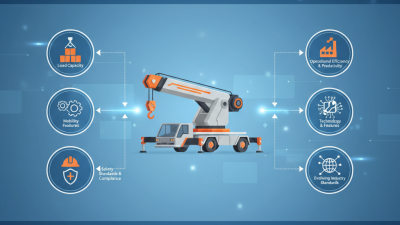
7 Best Service Crane Manufacturers for Global Buyers
Choosing the right service crane can influence safety, uptime, maintenance costs, and project continuity. Global buyers need more than a strong lifting capacity claim. They need dependable engineering, documented testing, responsive support, and parts availability across borders.
This guide examines seven leading service crane manufacturers for international purchasing decisions. Each company is considered through practical criteria, including rated load, outreach, duty cycle, corrosion protection, control systems, and installation support. Real operating conditions matter. A crane working on a coastal vessel faces salt spray, vibration, and limited deck space. A workshop crane may require smoother positioning and frequent daily cycles.
The comparison also considers certifications, customization experience, warranty clarity, and after-sales communication. Technical drawings, load charts, inspection records, and operator training can reveal more than polished brochures. Local service partners may reduce downtime when a hydraulic valve fails during a busy shift. That detail matters.
No ranking is perfect. Buyer priorities differ. A compact crane may suit one fleet but disappoint another with heavier lifting demands. The lowest quotation can also hide expensive transport, commissioning, or spare-parts delays. Careful questions are essential.
Readers will find a balanced starting point for comparing manufacturers, applications, and ownership risks. The final decision should still follow site assessments, applicable standards, and advice from qualified lifting professionals. Experience helps. Documentation protects. Reliable support completes the purchase.
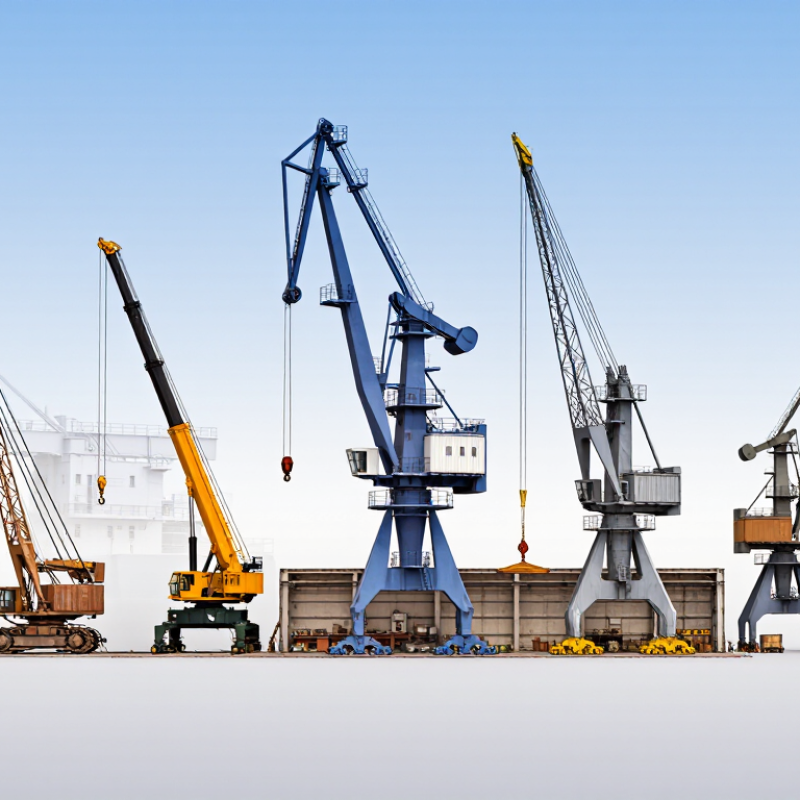
Service Crane Selection Criteria: SWL, Duty Class, ISO 4301, and ASME B30.5
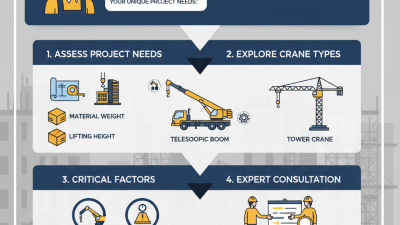
For global buyers, service crane selection should begin with the real lifting task, not catalog capacity. Safe Working Load (SWL) must cover the heaviest planned load, including lifting accessories. A small margin is sensible. An oversized crane may still perform poorly in limited spaces.
Duty class deserves equal attention. ISO 4301 evaluates crane usage through load spectrum and operating cycles. A crane lifting light loads all day differs from one handling near-SWL loads occasionally. Record expected lifts, daily cycles, trolley travel, and annual hours. These details support a more reliable classification.
ASME B30.5 is important when the equipment falls within its mobile crane scope. It addresses operation, inspection, maintenance, and safe working practices. Do not treat it as a universal design certificate. Confirm the applicable edition and local requirements with a qualified engineer. Check load charts at the actual radius, boom length, and ground condition. Wind exposure matters too.
In practical evaluations, buyers often compare only SWL. That is a weak shortcut. Review structural calculations, factory test records, emergency controls, overload protection, and maintenance access. Ask for inspection intervals and clear operating limits. A crane that looks efficient on paper may demand costly servicing later. Our own selection assumptions should be challenged when site data is incomplete. Guessing the duty class is not a harmless error.
Tadano, XCMG, Zoomlion, and SANY: Asian Scale and Global Market Reach
Asian crane manufacturers have changed the global service-crane market through scale, speed, and competitive engineering. Their factories often support high-volume production, allowing buyers to compare truck cranes, rough-terrain cranes, and compact lifting units across many price levels. This reach is visible at busy ports, construction sites, and regional equipment yards.
Global buyers should look beyond purchase price. A reliable supplier provides clear load charts, traceable maintenance records, operator manuals, and accessible spare parts. These details matter when a crane works beside a crowded roadway or lifts steel beams on uneven ground. Regional service centers can reduce downtime, especially when technicians understand local weather, transport limits, and workplace requirements. Ask about training quality. It varies.
In my experience reviewing lifting equipment, strong machines still need disciplined inspection. Buyers should check hydraulic response, boom wear, outrigger stability, cabin visibility, and emergency controls before signing a contract. Factory scale can support consistent production, but it does not guarantee every dealer offers equal after-sales support. That is an easy assumption to regret. Independent inspections, realistic duty-cycle testing, and written service commitments make comparisons more reliable. A low initial quote may hide longer delivery times for filters, hoses, or electronic components. Global market reach is valuable only when local support remains practical.
7 Best Service Crane Manufacturers for Global Buyers: Asian Scale and Global Market Reach
The chart compares representative maximum rated lifting capacities across seven widely used crane categories. These figures reflect published upper-end equipment specifications available in the global market; actual capacity varies by boom length, counterweight, radius, configuration, and operating conditions.
Unit: metric tonnes. Values are indicative maximum ratings for commercially available crane models.
Comparing Seven Manufacturers by Lift Capacity, Reach, Mobility, and Safety
7 Best Service Crane Manufacturers for Global Buyers
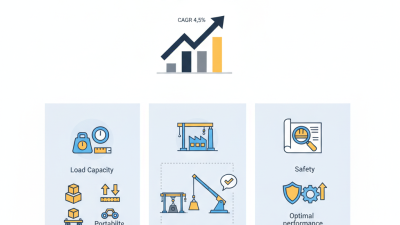
Comparing seven manufacturers requires more than maximum tonnage. The first supplier offers 25-ton compact cranes for urban repairs. The second reaches 42 metres, useful near warehouses and bridges. A third provides 80-ton capacity but needs wider access roads. The fourth focuses on 120-ton heavy lifting. The fifth combines 35-ton capacity with strong all-terrain mobility. The sixth offers longer telescopic reach, although setup time increases. The seventh emphasizes modular service cranes for restricted sites.
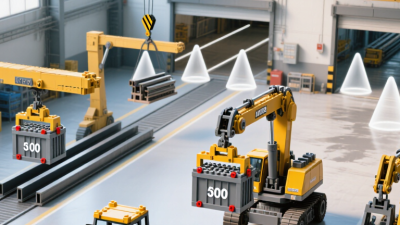
Mobility changes practical lifting performance. A crane may advertise 100 tonnes, yet ground conditions can reduce its usable capacity. ISO 4305 testing supports stability checks, while ISO 9927 requires structured inspection practices.
The International Labour Organization estimated 2.93 million work-related deaths globally in 2019. That figure makes safety equipment more than a selling point. Look for overload protection, load-moment indicators, emergency stops, and clear maintenance records. I would also check operator training. Machine quality cannot replace poor site planning.
Tips:
Compare rated capacity at the actual working radius, not only the headline figure. Request load charts, transport dimensions, inspection intervals, and local service response times.
Ask whether remote diagnostics work in your operating region. My ranking remains imperfect because dealer support can change quickly. A lighter crane may outperform a heavier model when access, permits, and setup time matter.
Global Compliance Benchmarks: EN 13000, ISO 9001, CE Marking, and Service Networks
7 Best Service Crane Manufacturers for Global Buyers
For global buyers, the best crane manufacturer is not defined by lifting capacity alone. Compliance evidence must travel with the machine. EN 13000 provides a practical benchmark for mobile crane safety, including design, examination, and operating controls. Buyers should request conformity assessment details, technical file references, and load-test records. CE marking is a manufacturer’s declaration of conformity, not a universal quality certificate. The European Commission’s Blue Guide explains this distinction clearly. ISO’s Survey 2023 recorded 1,265,216 valid ISO 9001 certificates worldwide. Yet certification does not guarantee excellent field support. Service coverage remains the harder test.
Tip: Compare response times, spare-parts locations, technician training, and emergency coverage before signing. Ask for a sample maintenance report. Small details reveal weak systems.
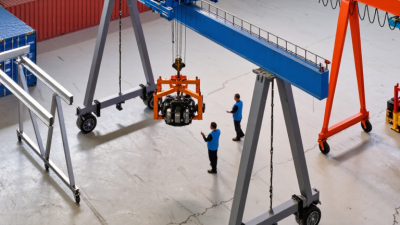
A strong supplier should offer regional service networks, multilingual manuals, and documented inspections. Request evidence from real installations, not only brochures. Check whether local technicians understand EN 13000 requirements and national lifting rules. Confirm that software updates and safety notices reach every site.
Service contracts should define response targets, inspection intervals, and replacement-part availability. A checklist can still miss hidden weaknesses. I have seen polished documents hide slow technical support. Buyers should test communication before purchase. One unanswered engineering question can expose a serious operational gap.